
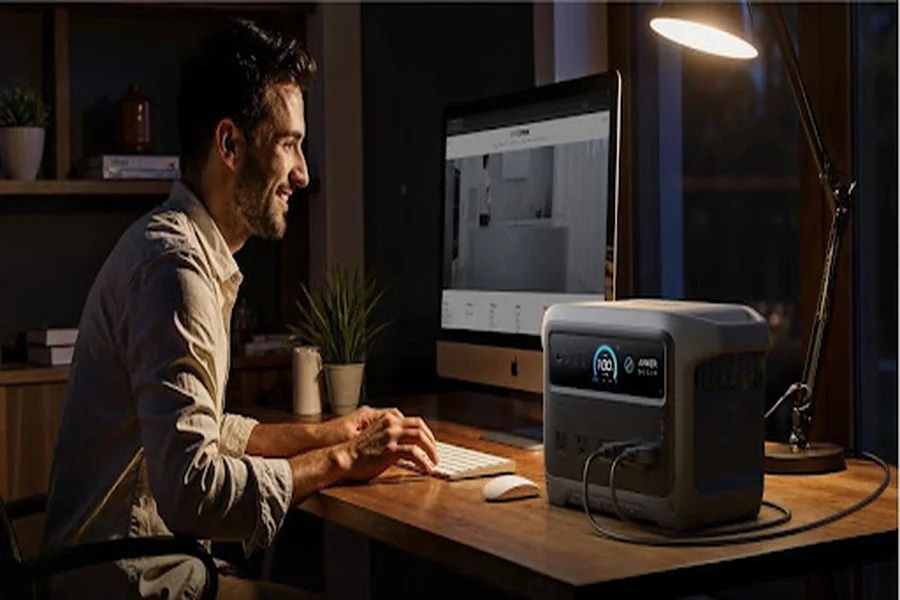
The best portable power stations for power cuts are the ones matched to your essential devices, not simply the largest unit available. A short outage may only require enough backup for a router, laptop, lights, and phone charging, while a longer interruption can involve refrigeration, medical devices, or broader household coverage. That is why capacity, output, and recharge flexibility matter more than headline marketing terms. By identifying what must keep running and comparing the right backup features, you can choose a portable power station that supports your home reliably during blackouts.
What Needs to Stay Running When the Power Goes Off?
Build an Essential Load List Before Choosing Capacity
Start by listing the devices you genuinely need during a power cut. For many homes, that includes a Wi-Fi router, phone chargers, laptops, lamps, a fan, a CPAP machine, or a fridge. Next, check each item’s wattage and estimate how many hours it must run. This gives you a practical energy target instead of a vague idea of “whole-home backup.” The best portable power stations match capacity to priority loads. A clear list also helps you avoid overbuying for occasional outages or choosing too little capacity for overnight essentials and remote work continuity.
Separate Appliance Startup Power From Backup Runtime
It is important to separate two questions: can the power station start the appliance, and how long can it keep it running? Some devices, especially fridges, pumps, and certain tools, draw a higher startup surge than their normal running wattage. Others, like laptops or lights, have relatively steady demand. Rated output helps determine whether the unit can handle connected devices at all, while battery capacity affects runtime. Looking at only one figure can lead to the wrong choice. A unit may have enough stored energy for hours of use but still fall short if an appliance needs stronger output at startup.
Best Portable Power Station Options for Household Backup
Anker SOLIX C1000 Gen 2 for Short Interruptions and Desk Setups
For short interruptions, apartment use, and home office protection, the Anker SOLIX C1000 Gen 2 is the strongest fit. It combines a 1,024Wh capacity with 2,000W rated output, which is enough for desk setups, networking gear, lighting, charging, and selected small household essentials. Its 10ms UPS switchover is especially useful where continuity matters, such as keeping a desktop computer, modem, or work setup online through brief cuts. This model makes the most sense when your priority is staying productive and connected rather than supporting multiple larger appliances for extended periods across a wider section of the home.
Anker SOLIX C2000 Gen 2 for Longer Essential Device Coverage
The Anker SOLIX C2000 Gen 2 is the better choice when you need more runtime and broader essential-device support. With 2,048Wh capacity and 2,400W rated output, it sits in a useful middle ground for households that want to cover more than a desk setup without moving into a much larger backup system. It can support a longer outage plan built around refrigeration, communications, lighting, device charging, and selected comfort items. For families who expect occasional multi-hour cuts, this size offers stronger flexibility. It is also a practical option if your essential load list has grown beyond basic work-from-home needs.
Anker SOLIX F3000 for More Demanding Backup Setups
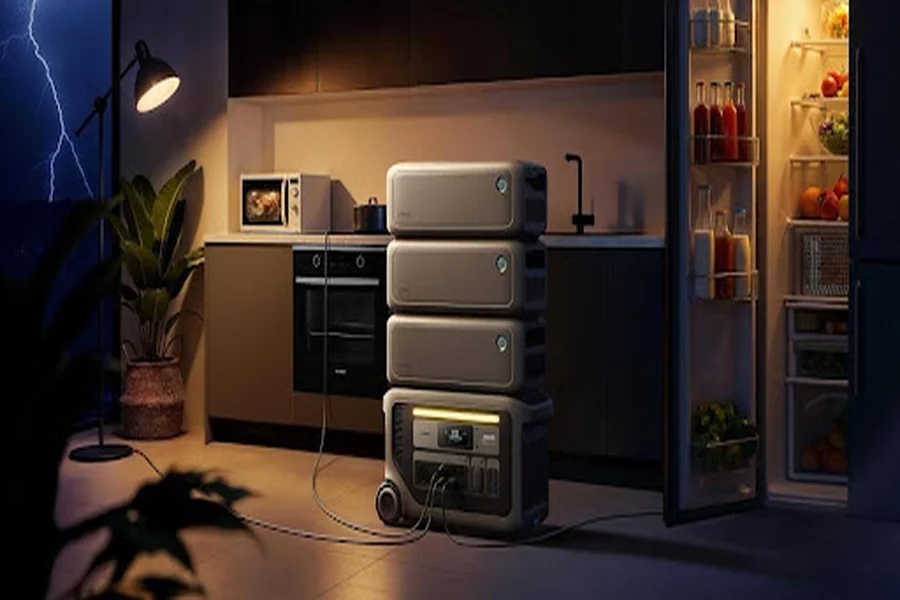
For demanding backup setups, the Anker SOLIX F3000 stands out as the most capable option of the three. Its 3,072Wh capacity and 3,600W rated output make it more suitable for homes that need to support several essential circuits or higher-draw appliances during a power cut. This level of output provides more headroom for combinations that would stretch smaller units, while the larger battery extends usable runtime for critical loads. If your outage plan includes refrigeration, communications, lighting, work equipment, and additional household devices at the same time, the F3000 is the clearest choice for stronger, more comprehensive backup coverage.
Which Backup Features Should Decide Your Final Choice?
Check Switchover Behaviour and Connection Requirements
Your final decision should account for how backup power behaves at the moment the mains supply fails. If you need continuity for work equipment, routers, or other sensitive electronics, switchover speed matters because even a brief interruption can reset devices. You should also confirm which outlets, cables, and appliance connections are required for your planned setup. A power station that looks suitable on paper may be less convenient if it does not align with how your devices are actually powered. Before buying, think through where the unit will sit, what stays plugged in, and how quickly you need backup to take over.
Assess Recharging Options and Capacity Expansion
Recharging matters just as much as stored energy, especially during repeated outages. A power station that can be recharged conveniently between interruptions is more useful than one that simply has a large battery. Consider whether you will mainly recharge from a wall outlet or want the option to add solar input for longer resilience. Capacity expansion is also worth reviewing if your needs may increase later. Starting with a unit that fits current essentials can be sensible, but future flexibility adds value. The right choice should support both your outage pattern today and the way your backup requirements could grow over time.
Conclusion
The best portable power station for power cuts is the one that matches your essential load list, expected outage length, and need for uninterrupted operation. The Anker SOLIX C1000 Gen 2 suits short outages and desk-focused backup, the Anker SOLIX C2000 Gen 2 offers longer support for core household devices, and the Anker SOLIX F3000 is the strongest option for heavier, more demanding setups. If you choose based on real appliance needs, output headroom, and recharge practicality, you will get backup power that feels useful when the grid goes down, not just impressive on paper.