
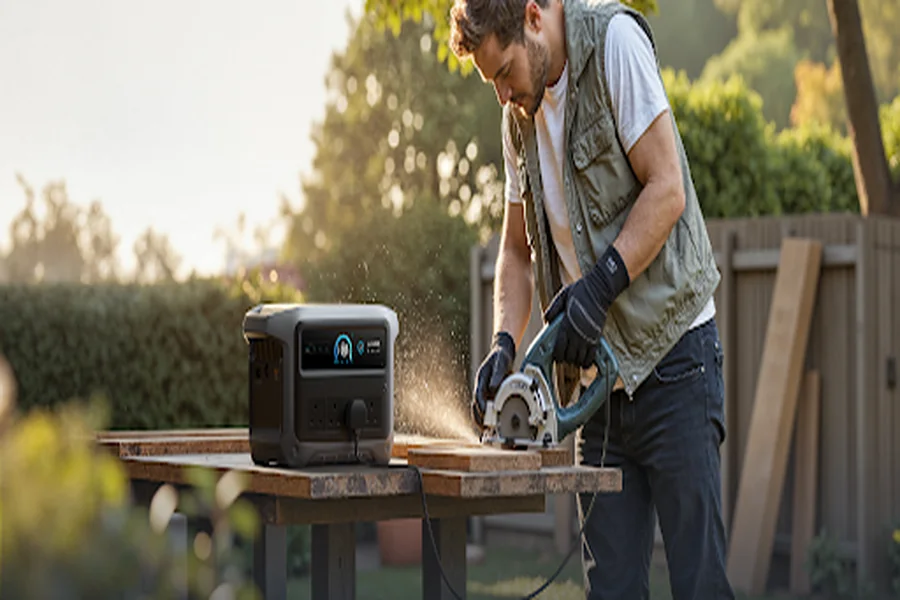
A portable power station can run many garden tools, but only when the tool’s power draw and your working time fit the unit’s output and battery capacity. That matters if you want to mow a small area away from the house, trim hedges at the end of a long garden, or keep cordless batteries topped up between jobs. Before you swap an extension lead for portable battery power, check whether your tools are corded or cordless, how much power they need at startup, and how long you expect to work in one uninterrupted session.
How Will You Use Portable Power in the Garden?
Run Corded Equipment Beyond Your Nearest Socket
Portable power is most useful when a corded garden tool works well, but the nearest socket is awkward, unsafe, or simply too far away. It can help with jobs in allotments, large lawns, outbuildings, driveways, and corners of the garden where trailing cables become a nuisance. This setup suits lighter-duty equipment such as hedge trimmers, strimmers, small pumps, or compact blowers, provided their wattage stays within the power station’s limits. It also reduces the need to route extension leads across paths or flower beds. For practical garden work, portable power is less about replacing every mains tool and more about making specific jobs quicker, tidier, and easier to manage.
Keep Cordless Tool Batteries Charging Between Jobs
Portable power also works well as a charging base for cordless garden tools. If you rotate between a mower, hedge trimmer, pruner, and blower, a power station can keep spare batteries charging while you work elsewhere. That makes longer sessions easier to plan, especially when you are maintaining larger spaces over several hours. Charging usually places a lighter and steadier load on the power station than running a corded motor directly, so this use is often more efficient. It is particularly helpful for gardeners who already prefer cordless equipment but want more flexibility away from the house. In many cases, portable power supports your tool system rather than trying to replace every battery you own.
What Makes a Power Station Suitable for Your Tools?
Match Running Power and Startup Demand to Output Limits
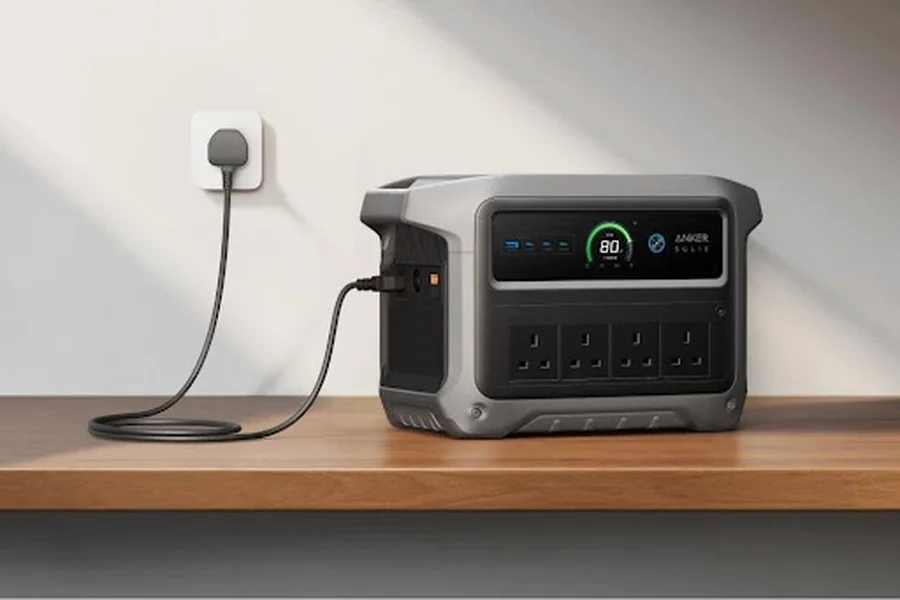
The first check is output. A power station must handle both the tool’s continuous running wattage and the brief surge some motors draw when starting. If startup demand exceeds the unit’s peak limit, the tool may fail to start even though its normal power draw looks acceptable on paper. The Anker SOLIX C1000 Gen 2 delivers 2,000W output, 3,000W peak, and 1,024Wh capacity. That gives it enough headroom for many common garden tools, especially moderate-load corded equipment and battery chargers. Always compare the tool label or charger rating against those limits before use. This simple check tells you quickly whether the setup is realistic, safe, and likely to work reliably.
Match Usable Battery Capacity to the Work You Need to Finish
Output tells you whether a tool can run, but battery capacity tells you for how long. A power station’s quoted capacity is not the same as unlimited runtime, because inverter losses and real operating conditions reduce the usable energy available to your tool. For garden planning, think in terms of jobs rather than headline numbers. A short hedge trim, quick tidy-up, or battery recharge session is usually a better fit than a long afternoon of uninterrupted heavy cutting. Higher-watt tools drain capacity faster, while charging smaller cordless batteries uses less energy over time. Estimating your likely workload in advance helps you avoid stopping halfway through and choose a setup that matches the task properly.
When Does Portable Power Make Garden Work Easier?
Complete Short Jobs in Areas Without Convenient Mains Access
Portable power makes the biggest difference on short, practical jobs where mains access is inconvenient rather than impossible. You might want to trim a hedge at the far end of the garden, clear leaves from a driveway, or power a small tool in a shed without running a lead through the house. In these situations, setup speed and freedom of movement matter as much as raw power. A portable unit can save time, reduce cable management, and lower the chance of snagging or cutting an extension lead. It is especially useful when the task is focused, the location is awkward, and carrying one power source is simpler than moving reels, plugs, and chargers around.
Organise Longer Sessions Around Tool Changes and Recharging
Portable power can still support longer garden sessions, but the easiest approach is to build your workflow around pauses, battery swaps, and changing tools. Instead of expecting one unit to run a demanding corded machine for hours, use it to power shorter bursts of work and recharge batteries while you tackle another task manually. For example, you might trim first, then let batteries charge while you weed, sweep, or collect cuttings. This staged approach uses stored energy more efficiently and keeps progress moving across the whole job. It also suits mixed toolkits, where some equipment runs directly from the power station and other items rely on chargers. Planning the sequence improves convenience considerably.
Conclusion
A portable power station can run garden tools, but the best results come from matching the right power source to the right type of work. It is most useful for lighter corded tools, charging cordless batteries, and completing short jobs away from a convenient socket. Check output for running and startup demands, then check battery capacity against the task you want to finish. If you plan work realistically, portable power can replace the garden extension lead for many jobs and make outdoor maintenance more flexible, organised, and easier to manage from start to finish.