
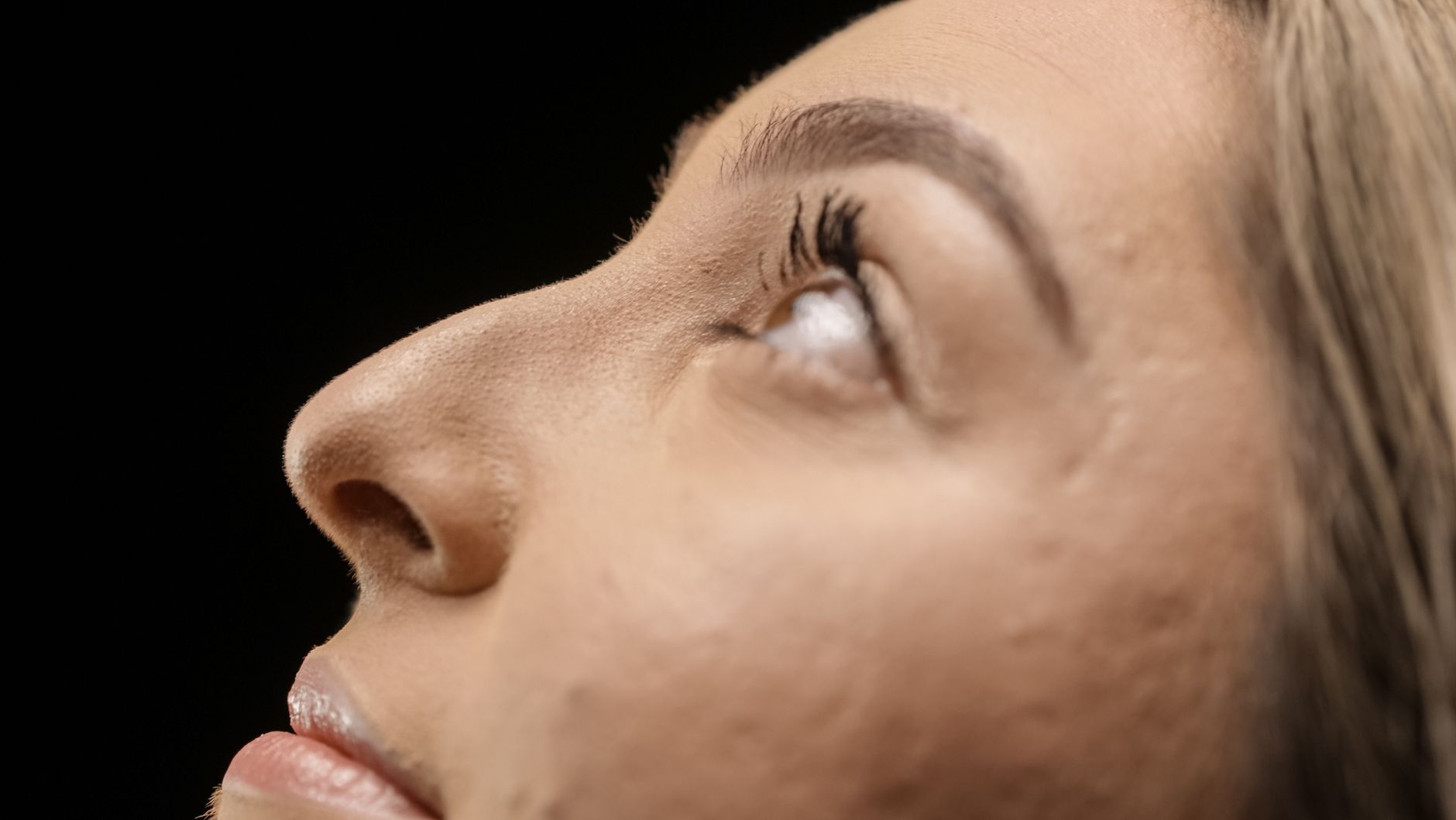
Nose augmentation Singapore is one of the most commonly sought-after facial enhancement procedures for individuals looking to improve the shape, height, or definition of their nose. Many patients wish to achieve a higher nose bridge, enhanced tip projection, or better facial harmony, but the results that can be achieved depend on factors such as their existing nasal anatomy, skin characteristics, and treatment goals.
While nose augmentation can create noticeable improvements, it is important to have realistic expectations and understand what the procedure can and cannot accomplish. Taking the time to learn about potential outcomes can help patients make more informed decisions and feel more confident about their treatment journey. If you are considering this procedure, read more to understand the results you can realistically expect.
What Is Nose Augmentation Designed to Improve?
Nose augmentation is designed to enhance the appearance of the nose by improving its shape, height, and overall proportion to the rest of the face. Depending on the individual’s concerns, the procedure may increase the height of the nose bridge, improve tip definition, refine the nasal profile, or create a more balanced relationship between the nose, chin, cheeks, and other facial features. These enhancements can make the face appear more harmonious without necessarily drawing attention to the nose itself.
It is important to understand that the goal of nose augmentation is typically enhancement rather than transformation. A well-planned procedure aims to work with a patient’s existing anatomy and facial characteristics to achieve natural-looking results. Factors such as skin thickness, cartilage support, and facial proportions all influence what can realistically be achieved.
Results Depend on Your Starting Nasal Anatomy
One of the most important factors influencing nose augmentation results is your natural nasal anatomy. Every patient has unique facial features, and the structure of the nose varies significantly from person to person. Characteristics such as the height of the existing nose bridge, the strength of the nasal cartilage, skin thickness, and overall facial proportions all play a role in determining the final outcome. Because of these differences, no two patients will achieve exactly the same results, even if they undergo a similar procedure.
For example, patients with thinner skin may notice greater definition and contour after nose augmentation, while those with thicker skin may experience a softer appearance as the skin can mask some of the underlying structural changes. Likewise, individuals seeking a dramatic increase in bridge height may be limited by anatomical considerations and the need to maintain a natural-looking result. During a consultation, a surgeon will assess these factors and discuss what improvements are realistically achievable based on the patient’s unique anatomy, helping to align expectations with likely outcomes.
Natural-Looking Enhancement Is Often the Goal
When considering nose augmentation, many patients focus on achieving a more attractive nose, but the most satisfying results are often those that look natural and complement the rest of the face. Rather than creating a dramatically different appearance, nose augmentation is typically intended to enhance existing features by improving balance, proportion, and definition. A nose that suits the individual’s facial structure can help create a more harmonious overall appearance without appearing obviously altered.
It is a common misconception that a higher nose bridge or a more pronounced profile will automatically produce a better result. In reality, an overly augmented nose may look disproportionate to the patient’s facial features and draw unwanted attention. Factors such as the forehead, eyes, cheeks, lips, and chin all contribute to facial harmony, which is why treatment planning should consider the face as a whole rather than focusing solely on the nose.
What Changes Can You Expect After Nose Augmentation?
Following nose augmentation, patients can typically expect a combination of improvements that enhance the nose’s shape, projection, and overall definition. While the exact outcome varies depending on technique and individual anatomy, the most commonly observed changes include:
- A higher and more defined nasal bridge
- Improved nasal tip projection and refinement
- A smoother and more balanced nasal profile
- Better facial harmony when viewed from the front and side
- More proportional relationship between the nose and other facial features
These changes are intended to create a more refined appearance while maintaining balance with the rest of the face.
How Long Does It Take to See Final Results?
After nose augmentation, the final outcome is not immediately visible, as the healing process plays a significant role in shaping the eventual result. In the early stages, swelling is expected and can temporarily make the nose appear slightly larger, uneven, or less defined than the intended outcome. This is a normal part of recovery and gradually improves over time as the tissues settle.
During the first few weeks, patients may notice noticeable changes in swelling and contour on a day-to-day basis. By around 1 to 3 months, most of the visible swelling has typically reduced, allowing the nose to look more refined and natural. However, subtle swelling, especially around the tip, can take longer to fully resolve. In many cases, the final results of nose augmentation are best appreciated at around 6 to 12 months after the procedure.
Surgical vs Non-Surgical Nose Augmentation Results
Nose augmentation in Singapore can be broadly divided into surgical and non-surgical approaches, and the results from each can differ significantly in terms of longevity, degree of enhancement, and precision of outcome.
Surgical nose augmentation (such as rhinoplasty or implant-based augmentation) generally provides more permanent and structurally significant changes. It allows for reshaping of the nasal framework, which can include adjusting the bridge height, refining the tip, and improving overall nasal proportion. Because the changes are made at a structural level, the results are typically more defined and long-lasting.
Non-surgical nose augmentation, often performed using dermal fillers, offers a temporary enhancement with minimal downtime. It can improve the appearance of a low bridge or mild asymmetry, but the degree of change is more limited compared to surgery. Results usually last several months to over a year depending on the type of filler used, after which maintenance treatments are needed.
Conclusion
Nose augmentation can create meaningful improvements in nasal definition, proportion, and overall facial harmony, but the results are always influenced by individual anatomy and realistic expectations. While some patients may achieve more noticeable enhancement, others may experience subtler refinements depending on their natural structure and chosen treatment approach. To discuss your concerns or explore suitable nose augmentation options, book a call or consultation with us, at
Pearl Plastic Surgery, Laser & Scar Clinic (Royal Square): Dr Pearlie Tan
101 Irrawaddy Road, #17-08, Royal Square Medical Centre, Singapore 329565
6 Napier Rd, #05-03 Gleneagles Medical Centre, Singapore 258499