
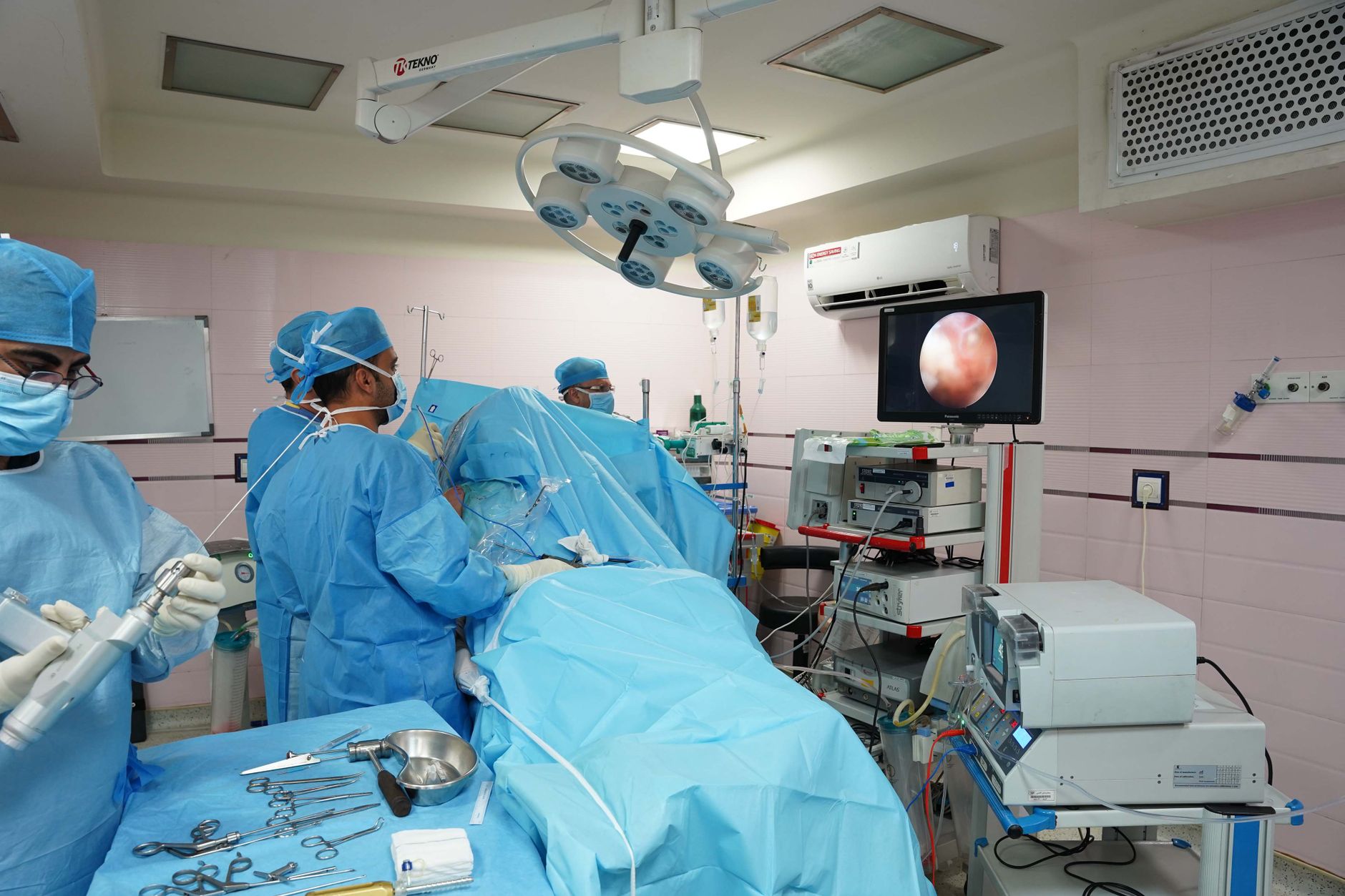
Bile duct stones are hardened deposits that become trapped within the bile ducts, the tubes responsible for carrying bile from the liver and gallbladder to the small intestine. Unlike gallstones that remain inside the gallbladder, bile duct stones can obstruct the normal flow of bile and lead to complications if left untreated. Common symptoms include abdominal pain, jaundice (yellowing of the skin and eyes), fever, nausea, and even pancreatitis. While imaging tests such as abdominal ultrasound, CT scans, and MRI can often detect bile duct stones, smaller stones or biliary sludge may sometimes go unnoticed.
In cases where symptoms and test results continue to suggest a blockage despite inconclusive imaging findings, endoscopic ultrasound (EUS) can provide a closer and more detailed assessment of the bile ducts. This highly sensitive procedure helps doctors identify stones that other scans may miss, allowing for earlier diagnosis and appropriate treatment. To learn more about endoscopic ultrasound and how it is used to evaluate digestive and biliary conditions, read more here https://gastrohealth.com.sg/services/endoscopic-ultrasound/.
Why Some Bile Duct Stones Are Difficult to Detect
When bile duct stones are suspected, doctors may use several imaging tests to identify the cause of symptoms and assess the biliary system. Each modality offers unique advantages, but each also has limitations that can affect its ability to detect certain stones.
-
Abdominal Ultrasound
Abdominal ultrasound is often the first imaging test performed because it is non-invasive, readily available, and does not involve radiation.
Advantages:
- Can detect gallstones within the gallbladder
- May identify enlarged bile ducts suggestive of an obstruction
- Quick and widely accessible
Limitations:
- Small bile duct stones may be difficult to visualise
- Image quality can be affected by bowel gas or body habitus
- Less sensitive for stones located deep within the bile ducts
-
CT Scan
A CT scan provides detailed cross-sectional images of the abdomen and can help evaluate both the bile ducts and surrounding organs.
Advantages:
- Useful for assessing abdominal pain and related complications
- Can detect inflammation, infection, or pancreatitis
- Provides a broader view of abdominal structures
Limitations:
- Some bile duct stones may not be visible on CT imaging
- Smaller stones can be missed
- Less sensitive than certain specialised imaging techniques for biliary stone detection
-
MRCP (Magnetic Resonance Cholangiopancreatography)
MRCP is a specialised MRI technique that produces detailed images of the bile ducts, gallbladder, and pancreas without the need for an invasive procedure.
Advantages:
- Provides detailed visualisation of the biliary system
- Helpful in evaluating suspected bile duct obstruction
- Does not require endoscopic instrumentation
Limitations:
- Very small stones or biliary sludge may occasionally be missed
- May not always distinguish tiny stones from other abnormalities
- Not suitable for all patients, depending on certain medical conditions or implanted devices
Although these imaging tests are valuable tools in the diagnosis of bile duct stones, no single modality is perfect.
How Endoscopic Ultrasound Works
Endoscopic ultrasound (EUS) combines endoscopy and ultrasound technology to obtain highly detailed images of the digestive tract and nearby organs. During the procedure, a thin, flexible endoscope equipped with an ultrasound probe at its tip is gently passed through the mouth into the stomach and duodenum. From this close internal position, the ultrasound probe can generate high-resolution images of structures such as the bile ducts, liver, gallbladder, and pancreas.
Because the ultrasound probe is positioned so close to these organs, EUS provides much clearer images compared to external ultrasound scans. This proximity allows for the detection of subtle abnormalities that may not be visible on other imaging modalities. The procedure is typically performed under sedation to ensure patient comfort, and it is generally well tolerated.
EUS is particularly valuable in evaluating suspected bile duct stones, especially when other imaging tests have not provided a definitive answer. By offering detailed visualisation of the biliary system, it helps clinicians assess whether small stones, sludge, or other obstructions are present, supporting more accurate diagnosis and appropriate management decisions.
Why Endoscopic Ultrasound May Detect Stones That Other Scans Miss
Endoscopic ultrasound (EUS) is highly sensitive for detecting bile duct stones because the ultrasound probe is placed very close to the biliary system. This proximity allows for significantly higher image resolution compared to external imaging techniques, making it easier to identify even subtle abnormalities within the bile ducts.
One of the key advantages of EUS is its ability to detect very small stones that may not be visible on abdominal ultrasound, CT scans, or even MRCP. These include:
- Tiny bile duct stones measuring only a few millimetres
- Biliary sludge that can intermittently obstruct bile flow
- Stones located in anatomically challenging or narrow segments of the bile ducts
- Early or partial obstructions that have not yet caused obvious duct dilation
When Is Endoscopic Ultrasound Recommended?
Endoscopic ultrasound is typically recommended when there is a strong suspicion of bile duct stones but initial imaging tests are inconclusive. This may include patients with persistent abdominal pain, jaundice, abnormal liver function tests, or recurrent episodes of pancreatitis without a clear cause. It is also useful when abdominal ultrasound, CT scans, or MRCP show uncertain or borderline findings that do not fully explain the patient’s symptoms.
In such situations, endoscopic ultrasound provides a more detailed evaluation of the bile ducts and helps confirm or exclude the presence of small or hidden stones, guiding further treatment decisions.
Conclusion
Endoscopic ultrasound plays an important role in clarifying cases where bile duct stones are suspected but not clearly seen on routine imaging. By offering detailed, high-resolution views of the bile ducts and surrounding structures, it helps improve diagnostic accuracy and supports timely treatment decisions when needed.
If you are experiencing symptoms such as persistent abdominal pain, jaundice, or unexplained abnormal liver tests, you may contact our clinic, at:
Gastrohealth Clinic @ Gleneagles – Dr Bhavesh Doshi | Gastroscopy | Colonoscopy | Health Screening | EUS and ERCP Singapore
6A Napier Rd, #05-35C Gleneagles Hospital Annexe Block, Singapore 258500