
Many people assume glaucoma only affects those with high eye pressure, so a normal reading at a check-up by an eye specialist feels like a clear all-clear. Unfortunately, that is not always the case. In India, a large number of people live with glaucoma without ever having a raised pressure reading, and by the time they notice vision loss, the damage is often permanent. The condition harms the optic nerve, and pressure is only one of several things that can cause that harm.
This blog covers the main reasons glaucoma can develop despite normal eye pressure, who is more at risk, and what you can do about it.
What Is Normal-Tension Glaucoma?
Normal-tension glaucoma is a form of the disease where the optic nerve is damaged even though eye pressure stays within the usual range of 10 to 21 mmHg. The nerve fibres slowly wear away, which creates blind spots that begin at the edges of your vision.
Because central vision stays sharp for a long time, most people do not notice a problem early on. Eye specialists still do not fully understand why some optic nerves are more sensitive than others. What we do know is that “normal” pressure is an average, and it may not be safe for every eye.
A Thin Cornea Can Hide the Real Pressure
Standard pressure tests measure how much your cornea resists a small amount of force. If your cornea is thinner than average, the reading can come out lower than your true pressure, which gives false reassurance.
An experienced eye specialist will measure corneal thickness with a quick, painless test called pachymetry and interpret your reading accordingly. Pressure also changes through the day, and a single clinic reading can miss a spike that happens early in the morning or late at night. This is why one normal result should never be treated as the final answer.
Poor Blood Flow to the Optic Nerve
The optic nerve needs a steady supply of blood to stay healthy. When that supply drops, nerve cells can weaken even at normal pressure, and the damage builds up slowly over the years. Common causes of reduced blood flow include:
- Low blood pressure, especially a sharp drop during the night.
- Narrowed or stiff blood vessels linked to diabetes or high cholesterol.
- Migraines, where small vessels tighten suddenly.
- Sleep apnoea, which lowers oxygen levels during sleep.
If you take tablets for high blood pressure, the timing of your dose and your night-time readings are worth raising at your next consultation with an eye specialist.
Other Risk Factors That Raise Your Chances
Beyond pressure and circulation, several other factors make the optic nerve more vulnerable. Here are the ones to watch for:
- A family history of glaucoma, particularly in a parent or sibling
- Age above 40, with risk rising steadily after 60
- Diabetes
- High myopia, meaning a strong minus power in your glasses
- Long-term steroid use, including eye drops, creams and tablets
- A previous eye injury
Many of these are common, so it helps to ask older relatives whether anyone in the family has lost vision without a clear reason. If any of these apply to you, you cannot rely on pressure readings alone.
Why Regular Testing Matters
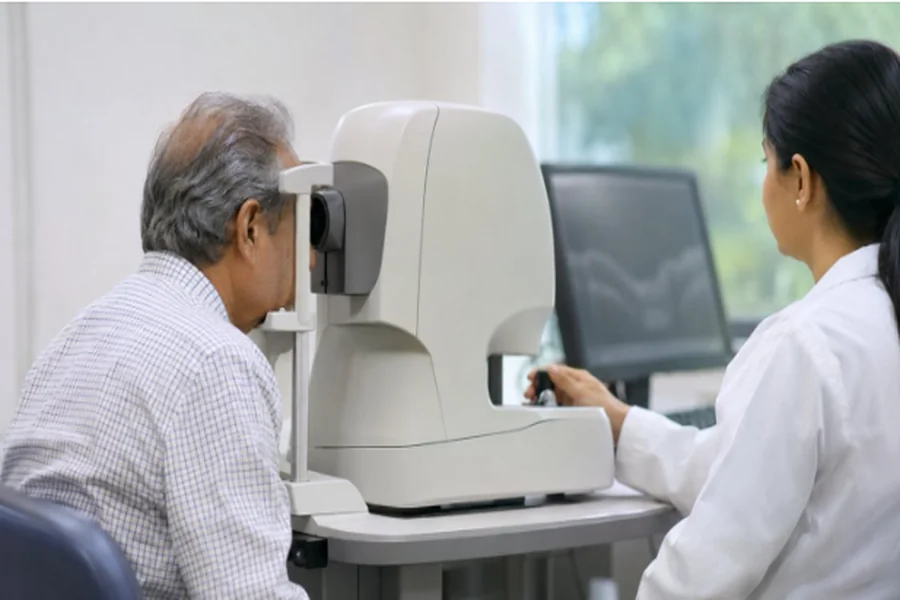
Glaucoma causes no pain and no early symptoms, so a routine exam by an eye doctor is the only dependable way to catch it. A thorough check goes well beyond a pressure reading and usually includes:
- Optic nerve examination with dilated pupils
- Visual field testing to find blind spots
- OCT scan to measure nerve fibre thickness
- Gonioscopy to check the eye’s drainage angle
If you are over 40 or have any of the risk factors above, book a full exam with an eye doctor once a year. Treatment, which usually involves eye drops, laser or surgery, aims to slow further loss, because damage that has already happened cannot be reversed.
Conclusion
Normal eye pressure does not rule out glaucoma. A thin cornea, poor blood flow, family history, diabetes and other factors can all damage the optic nerve without a high reading ever appearing. Since vision lost to glaucoma cannot be restored, early detection makes all the difference. Make a full exam by an eye specialist part of your yearly routine, especially after 40, and encourage your parents and siblings to do the same. A little time spent today can protect your sight for decades.