
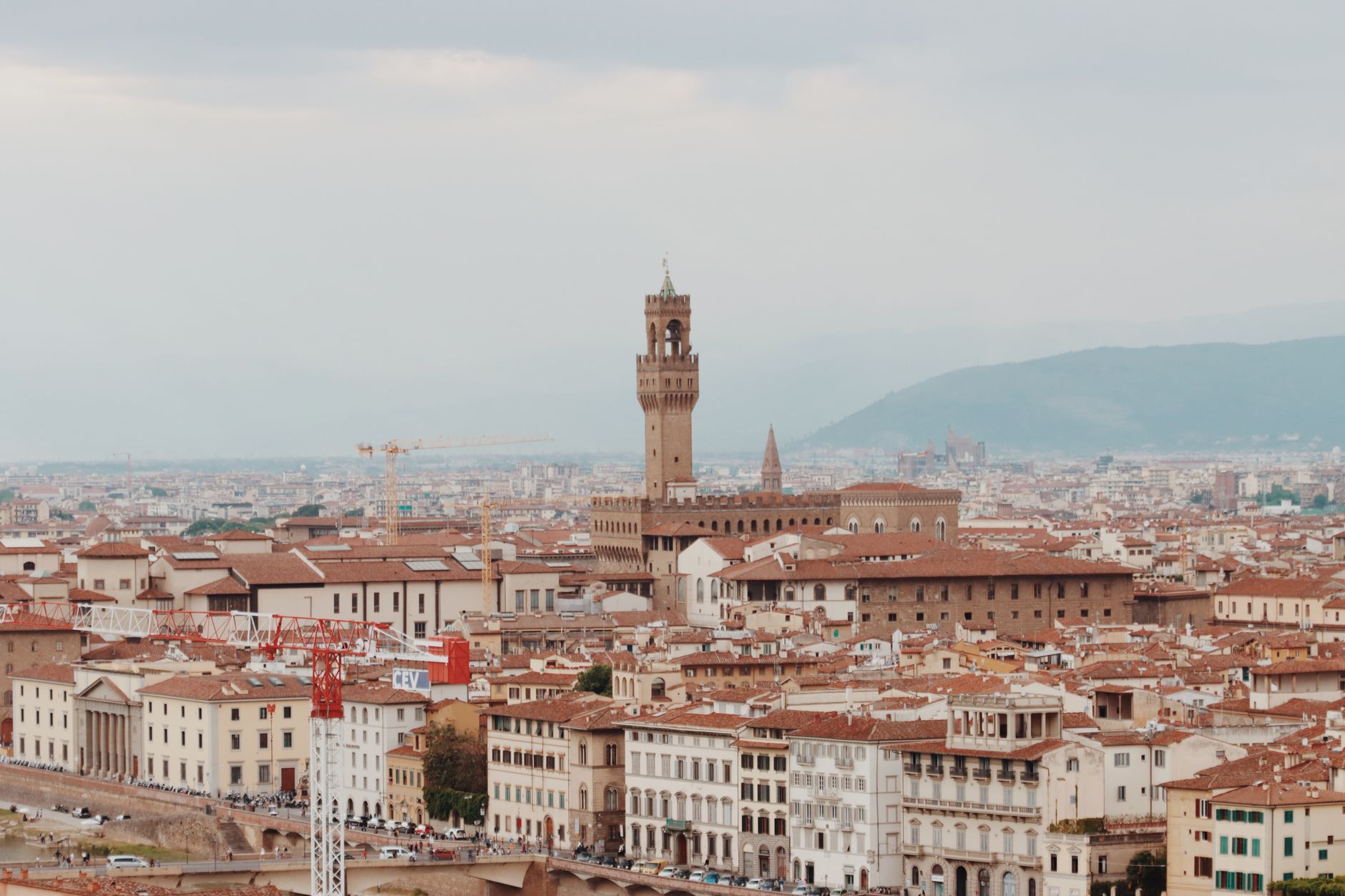
Florence is often described as an open-air museum, a city where every street corner whispers secrets of a past that reshaped the Western world. Walking through its historic center, one is not merely touring a destination but stepping into the epicenter of the Renaissance. The skyline, dominated by iconic silhouettes, tells a story of ambition, artistic fervor, and the immense influence of the Medici family.
The Cathedral’s Architectural Marvel
The heart of the city beats within the Piazza del Duomo. The Cathedral of Santa Maria del Fiore is a testament to human ingenuity. Its massive dome, engineered by Filippo Brunelleschi, remains a marvel of structural physics. Completed in the 15th century, the dome was built without the traditional wooden scaffolding, a feat that baffled contemporaries and still inspires awe today. Beside it, Giotto’s Campanile stands as a masterpiece of Gothic architecture, decorated with intricate marble panels that reflect the wealth and prestige of medieval Florence.
A Legacy of Power and Art
Moving toward the Piazza della Signoria, one finds the Palazzo Vecchio, which has served as the political nerve center of the city for centuries. This fortress-like palace is flanked by the Uffizi Gallery, home to some of the most significant works of art ever produced. To truly experience the city as the nobility of old once did, many travelers now choose to stay at the luxury hotel Il Tornabuoni in Florence, a property that exemplifies the seamless integration of historical Florentine architecture with modern elegance. By staying in such a curated space, visitors find themselves living directly amidst the same streets that served as the backdrop for the rise of the great merchant dynasties.
Crossing the Arno
No visit to Florence is complete without walking across the Ponte Vecchio. This medieval stone bridge, famous for its unique structure lined with bustling jewelry shops, survived the destruction of World War II and remains the oldest bridge in the city. Originally occupied by butchers, the bridge was transformed by decree in the late 16th century to house goldsmiths, permanently elevating the status of this iconic walkway. It serves as a romantic and historic link between the main city center and the Oltrarno district, where local artisans continue to preserve centuries-old craft traditions.
The Pantheon of Great Minds
The Basilica di Santa Croce acts as the final resting place for Italy’s greatest figures. Often called the Temple of the Italian Glories, it houses the tombs of Michelangelo, Galileo Galilei, and Niccolò Machiavelli. The interior is adorned with frescoes by Giotto, capturing the transition from Byzantine rigidity to the emotional realism that would define the Renaissance.
The View from Above
For a final perspective, a climb to Piazzale Michelangelo is essential. This panoramic terrace offers a sweeping view of the city, perfectly framing the terracotta rooftops against the backdrop of the rolling Tuscan hills. It is from this vantage point that the true scale of Florence’s historic achievement becomes clear. Looking down upon the city at sunset, the golden light highlights the dome and the bell towers, leaving no doubt that this place remains a timeless beacon of human creativity and historical endurance.