
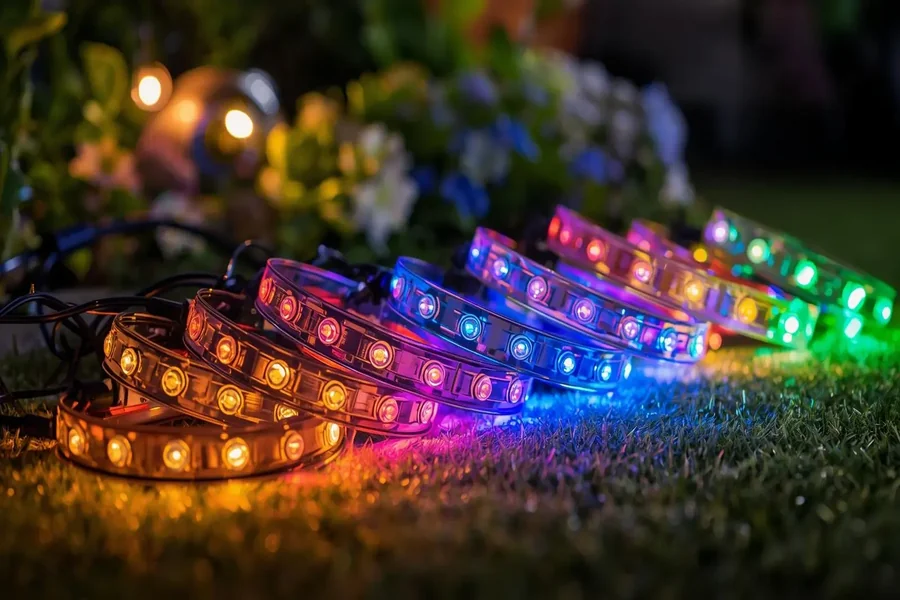
LED strip lights have become one of the most popular lighting solutions for both homes and businesses. They are flexible, energy-efficient, and easy to install. Whether you want to add accent lighting to your living room, illuminate kitchen cabinets, or create a unique atmosphere in a commercial space, LED strips offer a practical and stylish solution. Their versatility makes them suitable for almost any lighting project, big or small.
If you are looking for a reliable place to buy quality LED tape, you can explore a wide range of options at https://leduastore.com/led-strip/. LEDUA is a wholesale and retail manufacturing company that offers a broad selection of LED strips for different needs and budgets. Their catalog includes products suitable for interior lighting, furniture lighting, and many other applications. Shopping from a trusted manufacturer ensures you get consistent quality and proper technical support.
What Are LED Strip Lights?
LED strip lights, also called LED tape, are flexible circuit boards with small LED chips mounted on them at regular intervals. They usually come with a self-adhesive backing, making installation simple and clean. The strips can be cut at marked points to fit any length, and many models can be connected together to cover longer distances.
LED strips are available in a wide range of colors, color temperatures, and brightness levels. Some common types include:
- Single-color strips (warm white, cool white, neutral white)
- RGB strips that can display red, green, and blue colors
- RGBW strips that add a white channel for better color accuracy
- Tunable white strips that allow you to adjust the color temperature
- High-density strips with more LEDs per meter for brighter output
Key Specifications to Understand
Before purchasing a LED strip, it is important to understand the main technical specifications. These details will help you choose the right product for your specific project and avoid common mistakes.
LED Density and Brightness
The number of LEDs per meter affects both the brightness and the uniformity of the light. Strips with more LEDs per meter produce smoother, more even lighting. For accent lighting, a lower density may be enough, but for task lighting or replacing traditional fixtures, a higher density is recommended.
Voltage and Power Consumption
Most LED strips operate on 12V or 24V DC power. The 24V option is generally preferred for longer runs because it reduces voltage drop, which can cause uneven brightness at the far end of the strip. Always match the strip voltage with the correct power supply to ensure safe and efficient operation.
IP Rating for Water Resistance
The IP (Ingress Protection) rating tells you how well the strip is protected against dust and moisture. Common ratings include:
- IP20 – No protection, suitable for dry indoor use
- IP65 – Splash-proof, good for kitchens and bathrooms
- IP67 or IP68 – Fully waterproof, suitable for outdoor or underwater use
Popular Applications for LED Tape
LED strips are incredibly versatile and can be used in many different settings. Here are some of the most common applications:
Interior and Home Lighting
LED tape is widely used for cove lighting, under-cabinet lighting, and backlighting for TVs or monitors. It creates a soft, indirect glow that adds depth and warmth to any room without harsh shadows.
Furniture Lighting
Many furniture manufacturers and interior designers use LED strips inside wardrobes, shelves, and display cabinets. The slim profile of the tape makes it easy to hide inside aluminum profiles for a clean, professional finish.
Commercial and Retail Spaces
Shops, restaurants, and hotels use LED strips to highlight products, create mood lighting, and improve the overall customer experience. The ability to control color and brightness makes them ideal for dynamic commercial environments.
Tips for Installing LED Strip Lights
Proper installation ensures your LED strips last longer and perform better. Keep these tips in mind:
- Clean the surface thoroughly before applying the adhesive backing
- Use aluminum LED profiles to protect the strip and improve heat dissipation
- Always calculate the total wattage before choosing a power supply
- Avoid bending the strip at sharp angles, as this can damage the circuit
- Use connectors or soldering for joining strips to maintain a reliable connection
Conclusion
LED strip lights are a smart and flexible lighting choice for a wide range of projects. Understanding the key specifications, choosing the right type for your application, and following proper installation practices will help you get the best results. Whether you are a homeowner, interior designer, or contractor, investing in quality LED tape from a trusted manufacturer like LEDUA ensures long-lasting performance and great visual results. Take the time to explore the available options and find the perfect strip for your next lighting project.