
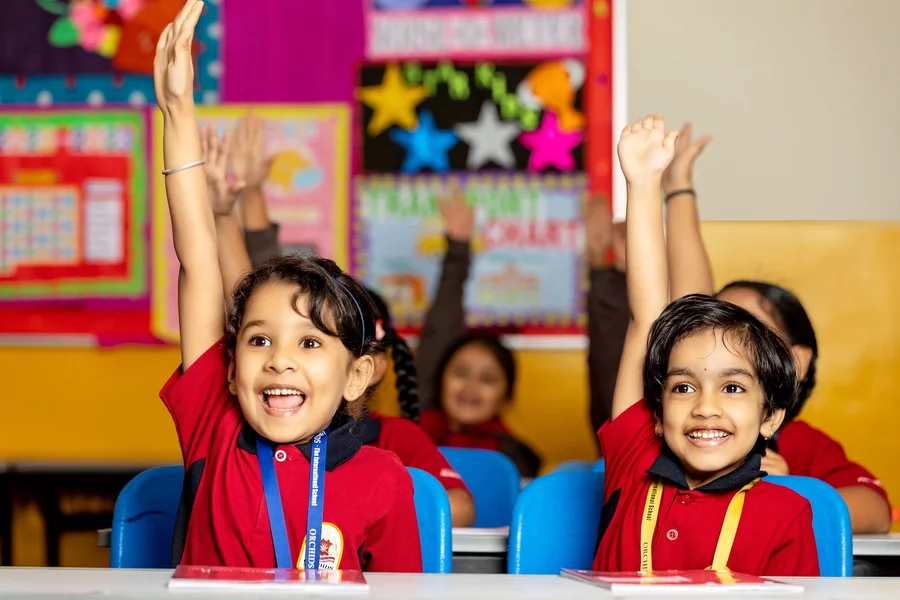
Changing schools can feel overwhelming for children, especially when routines, classmates, and surroundings suddenly become unfamiliar. A move to a new school in Gurgaon often brings emotional changes that affect confidence, behaviour, and daily comfort. Parents play an important role in making the process calmer and more reassuring through patient guidance and steady communication.
Many families begin preparing for this stage during the process of school admission in Gurgaon, as children often worry about fitting in, making friends, and understanding new expectations. A thoughtful transition plan helps reduce stress and creates a sense of security before the first day even arrives. Small but meaningful actions at home can make the adjustment smoother and help children feel emotionally supported.
Choose The Right School For Your Child
Choose a school in Gurgaon that matches the child’s learning style, interests, and emotional needs. A supportive environment with balanced academics, creative activities, safe facilities, and open parent-teacher communication can help the child settle in with confidence.
Important Factors To Consider Before Admission
- Age-appropriate learning environment
- Student well-being and emotional support
- Creative, sports, and skill-based activities
- Safe and organised campus facilities
- Healthy communication between the school and parents
Maintain Familiar Routines At Home
A new school already introduces major changes into a child’s day. Stable routines at home create emotional balance and provide comfort during the adjustment period. Consistent meal times, bedtime habits, and study schedules help children feel secure.
Simple routines also improve concentration and energy levels during the first few weeks. Children cope better with unfamiliar situations when home life feels calm and predictable. Keeping familiar weekend activities can also reduce emotional pressure.
Encourage Open Communication
Children may not immediately speak about difficulties at school. Some become quieter, while others may show frustration through behaviour changes. Gentle conversations after school help parents understand emotional struggles before they grow larger.
Instead of asking only about academic performance, ask about friendships, lunch breaks, classroom activities, or favourite moments from the day. Open-ended questions encourage meaningful responses and help children describe their experiences more comfortably.
Questions That Encourage Better Conversations
- Which part of the day felt enjoyable?
- Did anyone help during class today?
- What activity felt new or different?
- Which subject felt comfortable today?
- Was there anything confusing or stressful?
Help Build New Friendships
Friendships strongly influence how quickly children settle into a new school. Parents can encourage social interaction through clubs, sports, music, or creative activities, as shared interests help children connect with classmates in a natural and relaxed way.
During the adjustment period following school admission in Gurgaon, children may compare their previous school with the new one. Patient listening, gentle reassurance, and positive encouragement can help them process the change and feel emotionally secure.
Stay In Touch With Teachers
Teachers often notice emotional or behavioural changes that children may not discuss at home. Maintaining respectful communication with teachers helps parents in Gurgaon understand how the child is coping socially and academically.
Brief updates from teachers can reveal whether the child participates confidently, interacts with classmates, or needs additional encouragement. A cooperative approach between parents and school staff creates consistent support for the child. Avoid contacting teachers only when problems appear. Positive communication also strengthens trust and keeps everyone informed about progress and concerns.
Avoid Adding Academic Pressure
Children need time to adjust emotionally before reaching their usual academic performance level. Immediate pressure regarding grades, tests, or competition can increase stress during the transition period.
Instead of focusing only on results, appreciate small improvements such as attending school confidently, speaking positively about classmates, or participating in activities. Emotional adjustment often supports better academic focus naturally over time. Balanced encouragement creates motivation without making children feel judged. Supportive words help maintain confidence during uncertain moments.
Watch For Emotional Signs
Some children adapt quickly, while others take longer to feel comfortable. Emotional reactions can appear through sleep changes, stomach aches, irritability, withdrawal, or reluctance to attend school. Observing these signs early allows parents to respond calmly and appropriately.
Patience remains essential during this stage. Children need reassurance that adjustment takes time and that emotional reactions are normal. A calm environment at home often helps children regain confidence gradually. Professional guidance may become helpful if emotional distress continues for an extended period or affects daily functioning significantly.
Celebrate Small Milestones
Recognising progress encourages children and helps them feel proud of their efforts. Small achievements during the transition deserve positive attention because they build emotional resilience and confidence.
Celebrations do not need to be elaborate. Praising class participation, making a new friend, or completing the first week comfortably can create motivation and emotional comfort. Children often respond positively when parents notice genuine effort rather than only outcomes.
A thoughtful and patient approach makes school transitions less stressful and more manageable for children. Emotional support, clear communication, and stable routines help children gradually feel secure in their new environment. With steady encouragement and understanding, children can settle into their new school life in Gurgaon with confidence and comfort.