
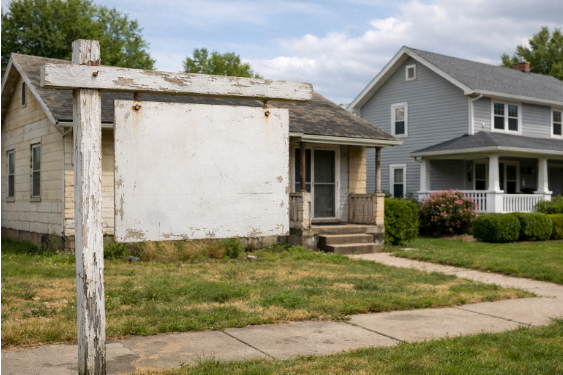
Distressed property sales, including foreclosures and short sales, play a significant role in shaping local housing markets. As these transactions increase in many areas, it becomes crucial for homeowners, investors, and policymakers to understand their real impact. Those looking to navigate these trends or find opportunities can visit https://www.lvnrealestate.com/ for more information and guidance on current market conditions.
Distressed property sales not only affect buyers and sellers directly involved in such transactions but also have far-reaching implications within neighborhoods and across entire communities. These sales can introduce both challenges and opportunities by influencing everything from housing inventory to long-term property values.
Communities experiencing a rise in distressed sales may notice changes in their neighborhood stability, the appearance of properties, and the types of buyers purchasing homes. Understanding these dynamics is vital for both personal decision-making and developing effective housing policies.
Additionally, it is important for parties involved in real estate to keep up with local developments and investment opportunities. Information about distressed property sales, available listings, and community resources can also be found at https://www.lvnrealestate.com/.
Definition of Distressed Property Sales
Distressed property sales refer to situations where homeowners are compelled to sell due to financial hardship, often resulting in foreclosure or a short sale. Foreclosures occur when lenders reclaim a property after the owner defaults on their mortgage, while short sales involve selling a home for less than the remaining mortgage balance with lender approval. Typically, these properties are listed below market value, creating potential opportunities for buyers interested in renovation or investment. At the same time, these transactions can present challenges for affected homeowners and their communities.
Understanding the processes behind distressed property sales is essential not just for buyers and sellers, but also for real estate professionals and policymakers. Recognizing the circumstances that lead to such sales can help in devising preventative measures and intervention strategies to support at-risk homeowners. While foreclosure and short sales may sometimes be viewed negatively, they can also offer a necessary pathway for homeowners to relieve overwhelming financial burdens, allowing for an eventual fresh start. Additionally, they serve as avenues for prospective buyers who might otherwise struggle to access homeownership or who seek to build equity through investments in renovation and resale. Comprehending the full context helps to de-stigmatize these transactions and encourages more proactive and supportive involvement from all stakeholders.
Impact on Housing Supply
The influx of distressed sales has a direct effect on local housing inventory. When banks or lenders become the primary sellers, there can be a sudden increase in available properties. This is particularly beneficial in markets facing inventory shortages, as distressed homes can quickly re-enter the market following auctions. According to recent reports from CoreLogic, these sales are helping restore balance in neighborhoods by making more homes available to a wider pool of buyers.
Additionally, shifts in housing supply due to distressed sales may influence the variety of listings available, catering to investors, first-time homebuyers, and affordable housing initiatives alike. When balanced well, this improved diversity in housing stock supports a healthier, more adaptable market. However, a sudden surge in inventory through distressed sales can sometimes overwhelm existing demand, making it essential for local real estate agents and developers to stay informed and responsive to trends. Planning and organizing the disposal of such properties ensures that their return to the market positively contributes to community stability, rather than fueling ongoing cycles of vacancy or disrepair.
Effect on Home Prices
The pricing of distressed properties tends to be lower because sellers aim to unload the property swiftly, sometimes under court-mandated deadlines. This can initially depress home values in nearby areas, especially when a significant number of distressed sales occur within a short time frame. Over time, however, once these properties are renovated and resold, they may contribute to price recovery and even growth, as improved homes attract new owners and families. Research published by The Urban Institute highlights that neighborhoods with active renovation following distressed sales often see greater price stabilization as improved homes return to regular market channels.
It’s worth noting that distressed sales often set a new baseline for pricing within a community, particularly if they are clustered within a specific neighborhood or zip code. Appraisers and lenders may use recent distressed sales as comparables, impacting resale appraisals and influencing mortgage financing for other buyers and sellers in the area. Over the long term, the stabilization of these properties through renovations and re-occupancy helps lift market values, but close monitoring is required to ensure the area does not develop a reputation for ongoing distress, a factor that can be harder to reverse.
Influence on Neighborhood Stability
Communities with a high concentration of distressed sales may feel an initial loss of stability, including vacant homes, increased turnover, or reduced maintenance. However, competitive foreclosure auctions allow homes to quickly move from distressed status to active ownership. This rapid transition can lessen prolonged vacancies that negatively impact the visual appeal, safety, and desirability of neighborhoods. Local efforts to strategically support responsible investors and owner-occupants can lead to revitalization and stronger communities in the long run.
The management of distressed property turnover becomes a crucial element in maintaining or reclaiming stability. Community leaders, local government officials, and real estate stakeholders often collaborate to monitor vacant properties, provide incentives for renovation, and ensure new owners are committed to property upkeep. When distressed properties are redeveloped or occupied quickly, they can serve as catalysts for wider neighborhood improvements, including increased civic participation and higher rates of homeownership. Involving residents in the planning and revitalization process fosters a sense of ownership and pride, further enhancing the community’s resilience against economic shocks.
Role of Investors in Distressed Sales
Investors, particularly those operating at a low volume or within their own communities, are often the primary buyers at distressed property auctions. Data shows that more than 90% of these investors are local. This local investment focus means that many buyers are invested in improving the properties, maintaining them, and reselling to new homeowners rather than holding large portfolios for absentee rental. Their activity helps move homes back into circulation and can drive neighborhood improvements that benefit everyone in the area.
The presence of investors, especially those who renovate and resell to owner-occupants, can significantly impact neighborhood dynamics in a positive way. Responsible, community-minded investors can help bridge the gap between distress and revitalization, promoting occupancy and reducing blight. Moreover, some local governments have begun to forge partnerships with such investors or offer incentives for compliance with renovation standards, ensuring the homes sold through distressed processes become long-term assets to the community. By facilitating responsible investment, cities and neighborhoods can transform what might be a challenge into a foundation for future prosperity.
Policy Implications and Community Responses
Effective policy responses are critical to harnessing the positive effects and minimizing the negative impacts of distressed property sales. Local governments can create programs that directly assist homeowners facing foreclosure, preventing unnecessary displacement and long-term vacancies. Additionally, policies that promote transparency in property auctions and incentivize responsible renovation projects can help align investor interests with those of the broader community. Community partnerships and neighborhood associations also play a vital role, especially in organizing residents and fostering initiatives that keep homes well-maintained and occupied.
At the state and local levels, enhanced monitoring of property conditions, rental registrations, and proactive code enforcement remain important tools for municipalities facing waves of distressed sales. Guidance and educational outreach to homeowners at risk of foreclosure can mitigate the total number of distressed sales, while public-private partnerships can leverage renovation grants or tax incentives to spur positive redevelopment. These strategic responses are essential to turning distressed sales into engines for neighborhood renewal rather than sources of decline.
Conclusion
Distressed property sales shape local housing markets by impacting everything from inventory levels and price trends to neighborhood stability and the evolution of policy responses. By understanding these dynamics, stakeholders can turn potential challenges into opportunities that support long-term community growth and resilience.