
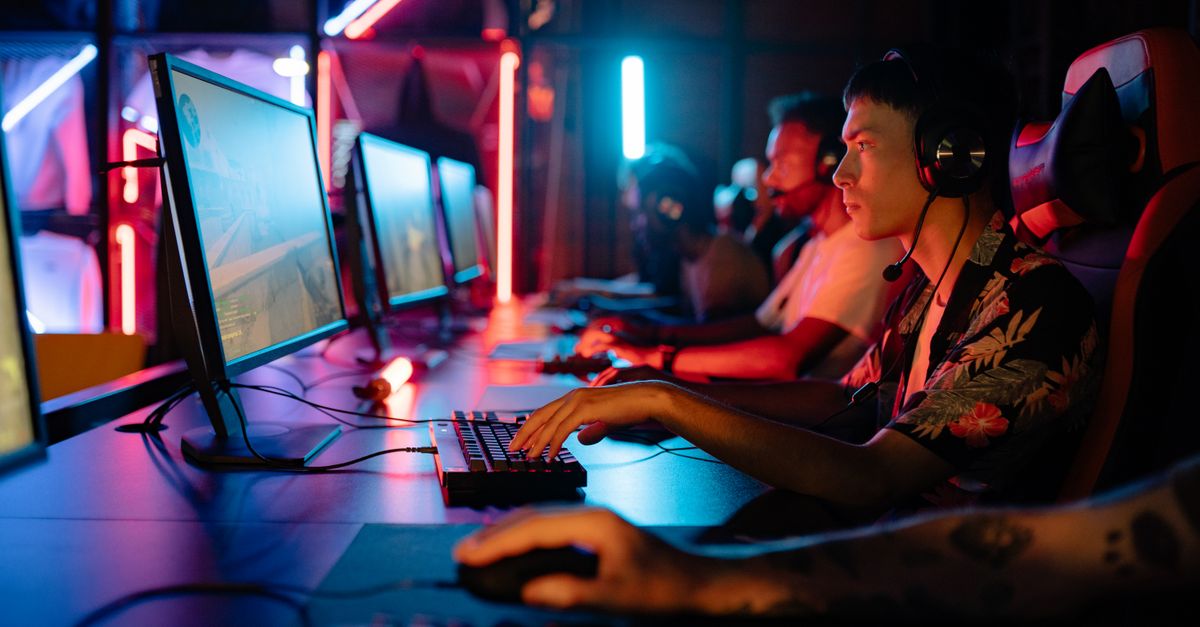
Have you ever noticed how a simple online match can turn strangers into real friends? That is one of the most interesting parts of online gaming: the social bonds formed through play often feel surprisingly real, even when people have never met face to face.
Online gaming is not only about scores, ranks, or fast reactions. It also creates shared routines, inside jokes, team trust, and long-term friendships. People log in for the game, but many stay because of the people they meet along the way. Those connections can be light and casual, or deep and lasting, and they often grow faster than friendships in many offline settings.
These digital bonds matter because they show how social connection works in modern life. A headset, a chat box, and a shared goal can be enough to build a strong sense of belonging. In some cases, a match is just entertainment. In others, it becomes a regular place where people feel seen, heard, and supported.
How Shared Play Builds Trust
Online games create trust by putting people in situations where they must rely on each other.
Teamwork Creates Fast Familiarity
When players work toward the same objective, they learn each other’s habits quickly. One person may handle strategy, another may focus on timing, and another may keep everyone calm under pressure. That repeated cooperation builds familiarity in a short amount of time. People start to recognize who communicates clearly, who stays patient, and who can be counted on when things get tense.
Trust also grows because players often need to make quick decisions together. In fast-paced matches, there is no time for long introductions. People learn by doing. A good call, a timely save, or a smart assist can say more than a long conversation. Over time, those small moments create confidence in the group.
Shared Wins And Losses Matter
Winning feels better when it is shared, but losing can build connection too. A close loss often leads to honest talk, laughter, or quick reflection on what went wrong. That kind of mutual experience creates a bond that feels real because both sides lived through the same pressure. People remember the teammate who stayed calm after a bad round just as much as the one who scored the final point.
For many players, this is where KEY4D becomes part of the conversation, since communities often form around repeated play sessions and familiar names. The game itself matters, but the people around it matter just as much.
Why Communication Feels So Natural
Online gaming gives people a simple reason to talk.
Conversation Has A Clear Purpose
In everyday life, small talk can feel awkward. In a game, communication has a job to do. Players share directions, warn each other about danger, ask for help, or celebrate a smart move. Because the talk has a purpose, many people find it easier to open up. The pressure to make conversation for its own sake is lower, which helps shy players speak more freely.
That practical style of communication can still turn personal over time. Friends start talking about school, work, family, music, or daily stress between matches. The game gives the conversation a starting point, but the relationship can grow far beyond it. People who might never have crossed paths offline can end up talking every week because the game gave them a reason to keep in touch.
Voice, Text, And Repetition Build Comfort
Seeing the same names or hearing the same voices again and again creates comfort. Repetition matters in friendships. The more often people interact, the more relaxed they become with each other. A player who was quiet during the first few matches may become chatty after a few weeks. Another person may start sharing jokes, stories, or personal updates once the group feels safe.
That comfort often extends beyond the match itself. Many players keep talking in chat rooms, message threads, or private groups after the session ends. If someone uses a mobile version or companion app, such as KEY4D APK, staying connected can feel even easier because the social side of gaming does not stop when the console or computer is off.
The Social Value Of Online Communities
Gaming communities often become small social circles with their own habits and culture.
Inside Jokes And Shared Language
Every active group develops its own shorthand. A phrase that started as a joke during one match can become part of the group’s regular language. Players may laugh at the same mistake, celebrate the same comeback, or refer to a memorable moment from months ago. These shared references create a sense of belonging because they separate insiders from outsiders in a friendly way.
This kind of language also helps people feel included. Newer players often learn the group’s style by listening and participating. Once they understand the jokes and references, they feel less like guests and more like members. That feeling can be powerful, especially for people who have trouble finding social spaces that fit them offline.
Support Can Extend Beyond Gaming
Many online gaming friendships become places for emotional support. Players may check in on each other after a hard day, celebrate personal wins, or offer encouragement during stressful times. The support does not have to be deep or dramatic to matter. Even a short message from a teammate can make someone feel less alone.
These communities can also help people practice social skills in a lower-pressure setting. For someone who finds face-to-face interaction tiring or stressful, a game group can be a comfortable place to speak, listen, and connect. That does not replace offline relationships, but it can complement them in a meaningful way.
Why Distance No Longer Limits Friendship
Online gaming makes it easier for friendships to form across cities, countries, and time zones.
People Connect Through Shared Schedules
In the past, friendships were often shaped by geography. Now, shared schedules matter just as much. Two people on opposite sides of the planet can still play together if their free time overlaps. That opens the door to friendships that would have been unlikely in a purely local setting.
Distance can even make some bonds stronger in a strange way. Because players cannot rely on casual in-person contact, they often communicate more intentionally. They plan sessions, check in regularly, and make an effort to stay in touch. That consistency helps the friendship last.
Different Backgrounds Bring New Perspectives
One of the best parts of gaming friendships is exposure to different ways of thinking. A teammate from another country may explain a different routine, joke style, or approach to problem solving. A player from a different age group may bring a fresh point of view. These differences can make conversations richer and more interesting.
That mix of backgrounds also teaches patience. People learn to adjust their tone, explain ideas clearly, and respect different communication styles. Those skills matter in gaming, but they also carry over into school, work, and everyday life.
The Emotional Side Of Digital Bonds
Online friendships can carry real emotional weight.
Routine Creates A Sense Of Belonging
Regular play sessions often become part of a person’s weekly rhythm. Knowing that a familiar group will be online at a certain time can provide comfort and structure. For some people, that routine is a big part of why they keep coming back. It is not just about the match. It is about the people who show up.
That sense of belonging can be especially meaningful during lonely or stressful periods. When life feels scattered, a regular gaming group can offer something steady. Even a short session can help someone feel connected to others in a simple, low-pressure way.
Online Bonds Can Be Real Without Being Physical
Some people still assume that online friendships are less real than offline ones. That view misses how human connection actually works. A bond is built through trust, care, shared time, and mutual respect. Those things can happen through a screen just as easily as in a room.
Of course, online relationships have limits. They do not replace every kind of human contact, and not every gaming friendship will last forever. But that does not make them fake. If people support each other, laugh together, and keep showing up, the connection is real enough to matter.
What Makes These Bonds Last
Long-lasting gaming friendships usually share a few simple traits.
Consistency Beats Intensity
Strong online bonds usually grow from regular contact, not from one huge moment. A few minutes of honest conversation after a match can matter more than a long, rare chat. Showing up again and again builds reliability, and reliability builds trust. The friendship becomes part of normal life, not just a memory from one good session.
Respect Keeps The Connection Healthy
Respect is the part that keeps digital friendships stable. Players who listen, give space when needed, and avoid unnecessary conflict help create a safe social environment. That makes it easier for everyone to relax and be themselves. In many ways, the same rules that support good offline friendships apply here too: be kind, be honest, and pay attention.
Online gaming may start with competition, but its social value often lasts longer than the match itself. The digital bonds formed through play can offer trust, comfort, laughter, and a sense of belonging. For many people, that is what keeps them coming back, not only for the game, but for the friendships that grow around it.