
Cataracts are a common age-related eye condition where the normally clear lens inside the eye gradually becomes cloudy, causing vision to become less clear over time. Early changes may be subtle, but cataracts can eventually affect everyday activities such as reading, driving or recognising faces. Common symptoms include blurred or hazy vision, increased glare around lights, difficulty seeing clearly at night and colours appearing faded or less vibrant.
For those considering cataract treatment Singapore, preparation begins with a proper eye assessment to determine the severity of the cataract and whether treatment is appropriate. Understanding the available cataract treatment options in Singapore can also help patients have a more informed discussion with their eye doctor about their visual needs and expectations.
When Should You Consider Cataract Treatment?
Cataracts do not always require immediate treatment, particularly when changes in vision are mild and do not interfere with daily activities. However, treatment may be considered when cloudy vision starts affecting your quality of life or makes routine tasks more difficult. You may notice increasing difficulty reading small print, using digital devices, driving at night or recognising faces from a distance. Glare from headlights or bright lights can also become troublesome, while frequent changes to your glasses prescription may indicate that your vision is changing.
The decision to undergo cataract surgery is not based on age alone. Instead, an eye doctor will consider the extent to which the cataract is affecting your vision and daily activities, along with the overall health of your eyes. A comprehensive assessment can help determine whether the symptoms are caused by cataracts or another eye condition. If cataracts are affecting your ability to carry out activities comfortably or safely, discussing treatment options with an eye doctor can help you understand the next steps.
What Happens During Your Pre-Surgery Assessment?
Before cataract surgery, a comprehensive eye assessment is usually carried out to evaluate your vision, the severity of the cataract and the overall health of your eyes. Your eye doctor may check your visual acuity and examine the structures of the eye to determine whether the cataract is responsible for your vision changes. This assessment also helps identify other eye conditions that may affect treatment or recovery.
Measurements of the eye are typically taken to help determine the appropriate intraocular lens (IOL) for your surgery. Your doctor may discuss your usual activities, existing glasses prescription and visual requirements as part of this process. It is important to share information about any medications you take, previous eye procedures and existing eye conditions. These details can help your doctor plan the procedure according to your individual needs and explain what you can expect before and after cataract surgery.
Understanding Your Intraocular Lens Options
During cataract surgery, the cloudy natural lens is removed and replaced with an artificial intraocular lens (IOL). There are different types of IOLs available, and the most suitable option can depend on factors such as your existing prescription, eye health, lifestyle and visual needs. Your doctor will discuss the available choices with you as part of the pre-surgery assessment.
Some IOLs are designed primarily to provide clear vision at a particular distance, while other lens designs may offer a broader range of vision. However, every option has its own considerations and may not be suitable for every patient. Your expectations and daily activities are therefore important when discussing lens selection.
It is also worth asking your doctor about what you may still need after surgery, such as glasses for reading or specific activities. Having a clear understanding of the benefits and limitations of each lens option can help you make a more informed decision as you prepare for cataract surgery.
How To Prepare Before Cataract Surgery
Once you have decided to proceed with cataract surgery, your clinic will provide specific instructions to help you prepare. These may include using prescribed eye drops before the procedure or making temporary adjustments to certain medications. It is important to follow your doctor’s instructions carefully rather than making changes to your medication routine on your own.
During your consultation, inform your doctor about any medications, allergies, previous eye procedures and existing medical conditions. This information can help the medical team plan your care appropriately. You should also clarify whether you need to stop eating or drinking before the procedure and whether there are any restrictions on your usual activities.
What To Expect On the Day of Cataract Treatment
On the day of cataract surgery, you will usually undergo some preparation before the procedure begins. Your eye may be examined again and drops may be used to dilate the pupil and numb the eye. The medical team will also review the treatment plan and ensure that the correct eye is being treated. If you have any concerns before the procedure, this is a suitable time to raise them with your doctor.
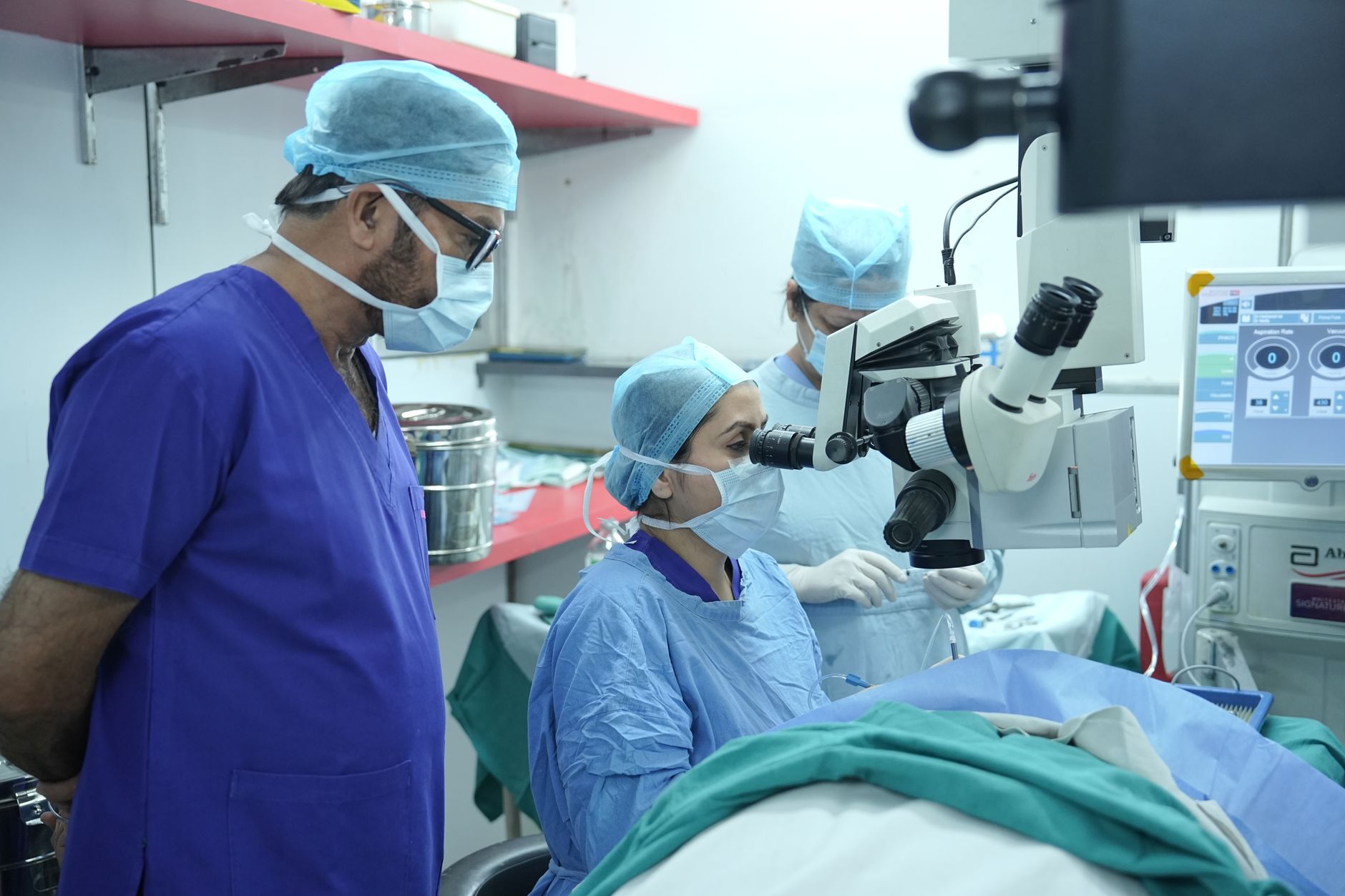
Cataract surgery is commonly performed as a day procedure. During the operation, the cloudy natural lens is removed and replaced with the selected intraocular lens. The procedure is generally carried out using local or topical anaesthesia, although the specific approach will depend on your circumstances and your doctor's assessment.
After the procedure, you will spend some time in the recovery area before being discharged. Your doctor will provide instructions about eye drops, eye protection and follow-up appointments. As your vision may be temporarily blurry immediately after surgery, you should avoid driving yourself home and follow the clinic's advice about when it is safe to resume normal activities.
Conclusion
Preparing for cataract surgery starts with understanding your symptoms, undergoing a proper eye assessment and discussing the available treatment and lens options with your doctor. Knowing what to expect before, during and after the procedure can also help you approach treatment with greater confidence.
If changes in vision are affecting your daily activities, an assessment can help determine whether cataract treatment may be appropriate. Considering cataract treatment in Singapore? Book a call with us at:
Chelvin Sng Eye Centre – Glaucoma | Cataract Surgery | Retina Specialist | Ophthalmologist Singapore
Mount Elizabeth Novena Hospital