
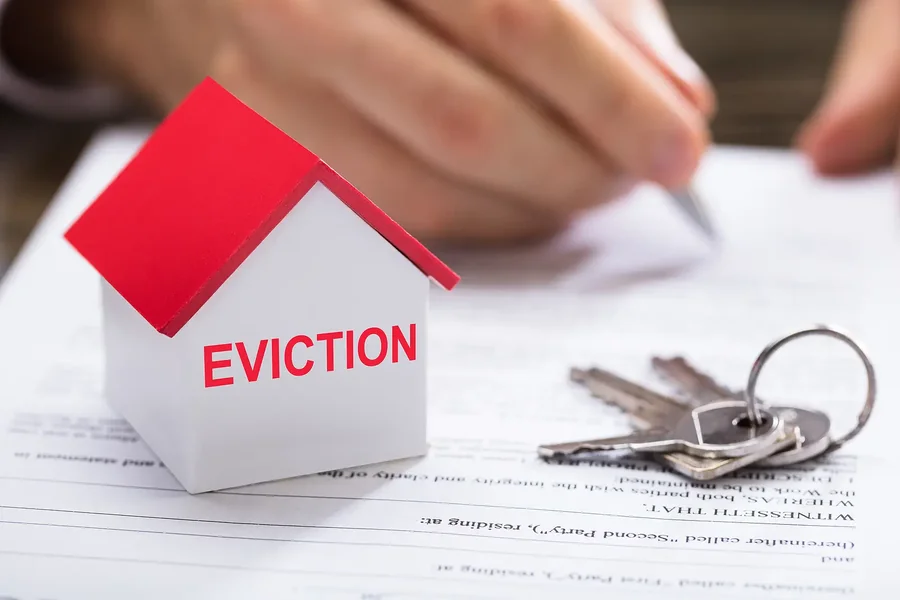
Housing courts can feel confusing. Maybe even a bit scary. You get a notice, and suddenly you’re asking, “What now?” Let me explain how it works in Kansas City—and what your options really are.
So What Is a Housing Court Anyway?
Housing court in Kansas City handles disputes between landlords and tenants. Most cases involve eviction. Some deal with unpaid rent or lease issues. It’s not just about rules. It’s about people—families, jobs, stress, and second chances. In Kansas City Specialty Courts, there’s a growing focus on support, not just punishment. That matters more than people think. And that’s where groups like Beyond the Bench KC step in. They help push that mission forward—less blame, more solutions.
Evictions: How the Process Actually Works
Evictions don’t happen overnight. Even if it feels that way.
Here’s the usual flow:
- Step 1: Notice to Pay or Quit
The landlord gives written notice. This asks for rent or asks you to leave. - Step 2: Filing the Case
If rent isn’t paid, the landlord files in court. - Step 3: Court Date
You’ll get a summons. Show up. Seriously—this matters. - Step 4: Judgment
The judge decides. If the landlord wins, eviction may follow. - Step 5: Execution of Eviction
A sheriff can enforce the order.
Sounds simple on paper. In real life, it’s messy. People miss notices. Life gets in the way. And sometimes, tenants don’t even know they have rights.
Wait—Tenants Have Rights?
Yes. Strong ones, actually. But many renters don’t use them. Why? Lack of info, mostly. Here’s what you should know:
1. You Have the Right to Notice
A landlord can’t just lock you out. That’s illegal.
2. You Can Go to Court
Even if you owe rent, you still get a hearing.
3. You Can Raise Defenses
For example:
- Unsafe living conditions
- Repairs not made
- Improper notice
4. You May Get Time
Judges sometimes allow extra time to move or pay. Here’s the thing—housing court isn’t always one-sided. But it can feel that way if you show up unprepared.
Common Myth: “If I Miss Rent Once, I’m Out”
Not exactly. Missing rent can lead to eviction. But it’s not automatic. Kansas City courts often allow:
- Payment plans
- Settlements
- Delayed move-out dates
You know what? Judges see these cases every day. They understand real-life struggles—job loss, illness, family issues. That doesn’t erase rent owed. But it can shape outcomes.
What About Landlords?
Landlords have rights too. That’s part of the balance. They can:
- Collect rent
- Enforce lease terms
- File for eviction
But there are limits. They cannot:
- Shut off utilities
- Change locks without court order
- Harass tenants
Think of it like a referee system. The court keeps both sides in check.
Legal Remedies: What Can You Actually Do?
If you’re facing eviction, you still have options. Let’s break it down.
Talk to Your Landlord First
It sounds basic. But it works more often than you’d expect. A short conversation can lead to:
- Payment extensions
- Partial payments
- Move-out agreements
Seek Legal Help
Free or low-cost legal aid exists in Kansas City.
They can:
- Review your case
- Help file responses
- Represent you in court
Ask for Rental Assistance
Programs change often, but help is out there. Local nonprofits and city programs sometimes cover:
- Back rent
- Utilities
- Moving costs
Use Court-Based Programs
This is where Kansas City Specialty Courts really matter. They focus on:
- Problem-solving
- Support services
- Long-term stability
Beyond the Bench KC supports these efforts. Their goal? Address the root causes—not just the symptoms. Because eviction isn’t just about rent. It’s about life circumstances.
A Quick Reality Check
Here’s a small contradiction. Housing court is legal and structured. But it’s also human and flexible. Both are true. You might expect strict rules. And yes, they exist. But judges often weigh context too—especially in cases tied to hardship. That’s why showing up matters. Speaking up matters more.
Why This Matters More Than You Think
Eviction isn’t just a court issue. It affects:
- Employment
- Credit history
- Future housing
One case can ripple outward. That’s why community efforts matter. Beyond the Bench KC helps connect people with support, not just legal outcomes. They believe justice should lead to change—not just punishment. And honestly, that idea is gaining ground.
FAQs: Kansas City Housing Court
- In Kansas City, how long does an eviction take?
It can proceed quickly, perhaps in a matter of weeks. Timelines differ, though. Payment efforts, tenant reactions, and court scheduling can all cause delays. You can have more options or time if you take action early.
- Can I halt an eviction after it has begun?
Yes, on occasion. Eviction can be prevented or postponed by paying past-due rent, coming to an agreement, or filing legal defenses. Time and the specifics of the situation determine this. Your chances increase if you act fast.
- What occurs if I don’t show up for court?
By default, the judge may decide against you. Thus, the landlord might prevail without hearing your side of the story. You should get in touch with the court as soon as possible to try to make up for missing court.
- Is a lawyer required for housing court?
It’s helpful but not necessary. An attorney can prepare your defense, explain your rights, and represent you in court. Legal aid organizations may step in if hiring one is not feasible.
- Are there initiatives that assist in avoiding eviction?
Sure. Kansas City provides assistance via court programs and organizations. Long-term solutions, such as support services and process advice, are the focus of organizations like Beyond the Bench KC and Kansas City Specialty Courts.