
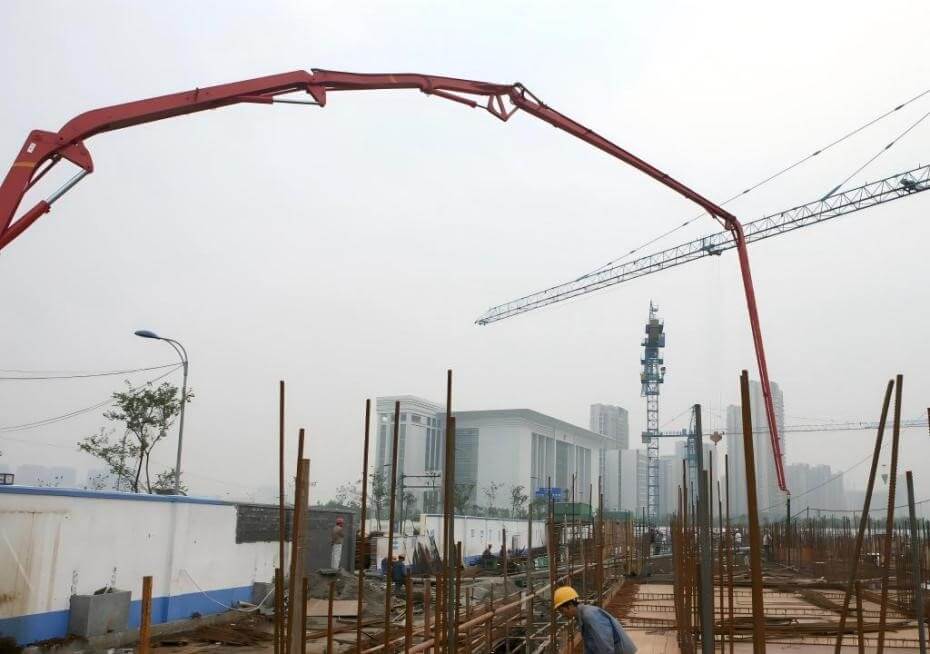
Concrete pumps play a critical role in construction by moving concrete quickly, safely, and accurately to the point of placement. Manual methods limit speed, strain crews, and restrict where concrete can reach. Contractors choose concrete pumps to improve productivity, control quality, and reduce project risk. These machines can handle tight timetables and challenging site circumstances. This article discusses the primary advantages of employing concrete pumps in building. It emphasizes efficiency, cost reduction, quality improvement, safety, and sustainability. Understanding these benefits enables builders to pick the best pumping technology, plan pours more effectively, and achieve better outcomes on residential, commercial, and infrastructure projects.
How Do Concrete Pumps Improve Construction Efficiency?
Faster Concrete Placement and Reduced Downtime
Concrete pumps outperform manual methods in terms of placing time. Pumps give a constant flow of concrete straight to forms, minimizing the time between batches. Crews no longer rely on wheelbarrows or cranes for transportation. Faster placement reduces pour time and limits cold joints. Reduced handling also results in less cleanup time following pours. Pumps enable operators to distribute concrete precisely where needed, even during huge pours. This efficiency allows crews to finish jobs faster without adding labor. Shorter pour times result in less downtime for finishing trades and equipment. Overall, speedier placement boosts productivity, keeps plans on track, and enables contractors to handle many pours more efficiently on crowded project sites.
Reaching Difficult and High-Access Pour Locations
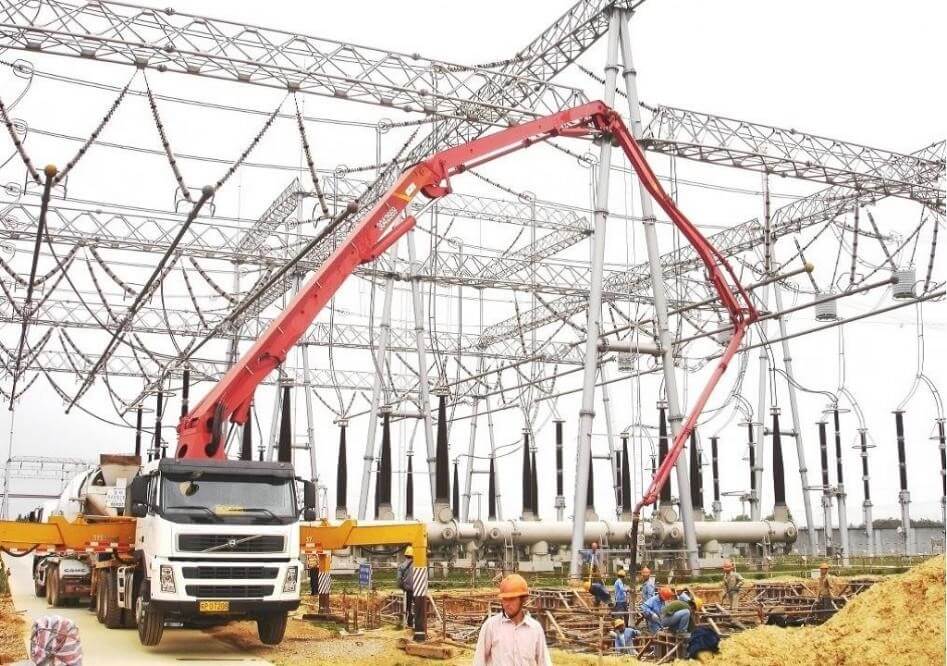
Crews can access areas that are difficult for human techniques to reach with concrete pumps. Concrete is placed over obstructions, structures, and uneven ground using boom pumps. Concrete is moved by line pumps via lengthy hoses into interior areas, tunnels, or basements. These features do away with the requirement for temporary access constructions or additional handling. Without constantly moving equipment, workers may put concrete behind obstacles, at heights, or across long distances. Delays brought on by site restrictions are lessened by improved reach. Additionally, pumps improve placement accuracy by maintaining a steady flow to challenging places. In situations where access issues would ordinarily considerably impede development, this flexibility enables contractors to operate effectively on intricate sites, constrained urban projects, and high structures.
Improved Project Scheduling and Workflow Control
Concrete pumps facilitate contractor scheduling and workflow. Teams may accurately plan pours with predictable results. Crews may deliver, place, and perform their tasks uninterrupted. Pumps alleviate delays caused by physical labor. Faster placement minimizes critical path processes, freeing up resources. Pours are completed quickly with regulated pumping, minimizing weather issues. Planning subsequent tasks increases project managers’ confidence. Rework and schedule overruns are avoided with consistent flow and proper placement. Workflow control enhances trade coordination, lowers disagreements, and enables contractors to complete projects on time while maintaining quality across all concrete processes.
Cost, Labor, and Quality Benefits of Concrete Pumps
Lower Labor Requirements and Reduced Physical Strain
Pumps reduce the amount of manual work required during concrete placement. Concrete moves with fewer staff, lowering labor costs. Crews avoid lifting, pushing, and lugging, which can cause tiredness and injuries. Reduced physical strain improves worker endurance and concentration. Operators and finishers perform better when they are well rested. Lower injury risk leads to fewer compensation claims and lost time. Contractors benefit from stable labor performance throughout lengthy pours. Pumps allow qualified workers to focus on quality and finishing rather than heavy lifting. This efficiency boosts morale, safety, and productivity while lowering labor costs on both small and large construction projects.
Minimizing Material Waste and Concrete Spillage
Concrete pumps increase material management while reducing waste. Pumps supply concrete directly to forms, which reduces spillage during transportation. Manual handling frequently results in dropped items and uneven positioning. Controlled pumping minimizes overpouring and cleaning waste. Accurate positioning ensures that crews use just the necessary volume. Less wasted concrete means reduced material and disposal costs. Reduced leakage enhances both site cleanliness and safety. Pumps ensure a steady flow, reducing segregation and loss during movement. Better material control enables more precise estimates and budgeting. Contractors boost revenue and minimize environmental impact by eliminating trash, all while keeping project sites cleaner and safer during active pours and finishing activities.
Consistent Pour Quality and Structural Integrity
Concrete pumps maintain consistent pour quality throughout the construction. Continuous flow reduces uneven layers and cold joints. Section consolidation and bonding improve with consistent placement. Controlled concrete pressure from pumps decreases aggregate-paste segregation. Consistent placement promotes cure and durability. Concrete arrives slowly, which benefits finishers. Crews’ uniform droop and placement speed improve quality control. Structures that are stronger and more uniform are less likely to require repairs. Contractors benefit from fewer difficulties and calls. Reliable pour quality increases structural integrity and contributes to meeting design criteria, building regulations, and performance objectives on difficult construction projects.
Why Do Modern Construction Projects Rely on Concrete Pumps?
Enhanced Jobsite Safety and Risk Reduction
Concrete pumps eliminate manual handling and workplace congestion, which enhances safety. Workers travel in active pour zones less. Pumps lessen the dangers associated with heavy loads and moist concrete. Controlled positioning helps to prevent slips, stumbles, and impacts. Boom pumps lessen the risks associated with overhead lifting for crew members. Clear pump zones improve visibility and traffic. Operators avoid moving parts and pressurized lines. Fatigue reduction reduces the chance of an accident. Safer operations protect workers and equipment while promoting safety standards. Pumps assist contractors in controlling work conditions, reducing accidents, and improving safety on all building sites.
Adaptability Across Residential, Commercial, and Infrastructure Projects
Concrete pumps are suitable for various building kinds and sizes. Residential builders use line pumps for slabs and foundations. Commercial development uses boom pumps for high-rise buildings and large pours. Pumps are used on bridges, tunnels, and retaining walls. Pumps handle site conditions and mixing designs differently. This adaptability enables contractors to standardize project processes. Pumps offer restricted access, long distances, and high output. Contractors profit from equipment that responds to the complexity of their projects. Reliable pumping systems allow teams to vary between job types while maintaining efficiency, quality, and safety in various construction conditions.
Environmental and Sustainability Advantages
Concrete pumps minimize waste, pollution, and site interruption. Faster placement minimizes the amount of time that the mixer and equipment engines run. Lower material loss decreases resource use. Site cleanliness lowers runoff and pollutants. Pumping efficiency minimizes overordering by managing volume. The new pumps use fuel-efficient motors and hydraulics. Longer work schedules result in fewer indirect emissions. Pumps promote sustainable building without reducing productivity. Contractors meet client and regulatory requirements while increasing environmental performance. Concrete pumps increase efficiency, reduce environmental impact, and encourage ethical building practices in modern construction.
Conclusion
Concrete pumps increase efficiency, price, quality, safety, and sustainability. Productivity increases with faster placement and reach. Labor strain and waste reduction reduce operating costs. Consistent flow enhances structure. Jobsite safety protects both employees and schedules. Pump systems are versatile and may be used in a variety of tasks. Contractors use concrete pumps to meet modern building demands. Strategic pump selection and operation help teams achieve consistent results. Concrete pumps enable builders to improve performance, lower risk, and complete residential, commercial, and infrastructure projects with confidence, consistency, and long-term value.