
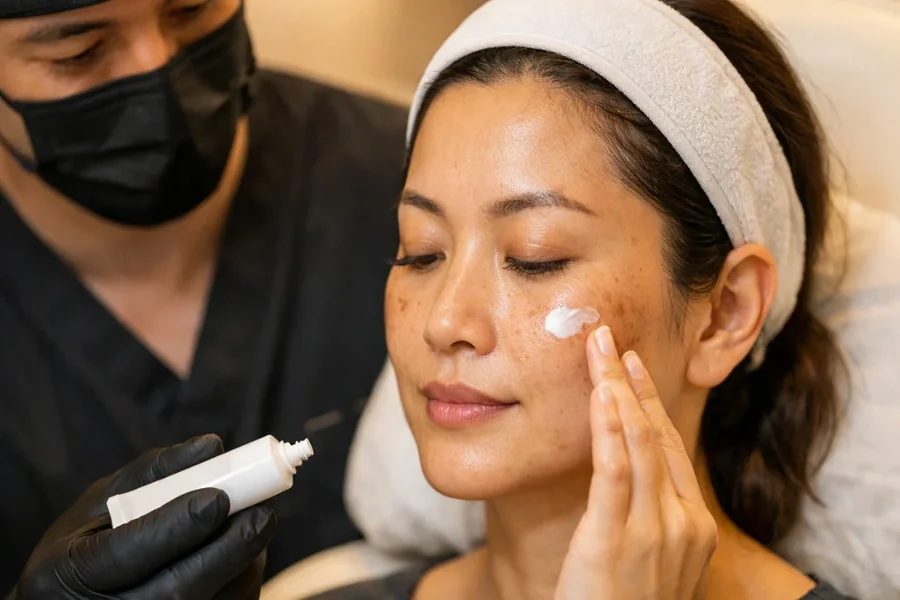
Pigmentation is a common skin concern that can affect individuals of all ages and skin types. It occurs when excess melanin accumulates in certain areas of the skin, resulting in uneven skin tone or dark patches. Common forms of pigmentation include melasma, sun spots, freckles, and post-inflammatory hyperpigmentation that may develop after acne, eczema, or skin injuries. As these concerns can become more noticeable over time, many individuals seek pigmentation removal Singapore treatments to achieve a clearer and more even complexion.
With the growing availability of medical aesthetic and dermatological treatments, there are now various options available to help remove pigmentation and improve the appearance of discoloured skin. However, while pigmentation treatments can provide visible improvements for many patients, results may vary depending on the type of pigmentation, skin condition, and individual response to treatment. Understanding both the benefits and limitations of pigmentation removal is important for setting realistic expectations and making informed decisions about your treatment journey.
What Is Pigmentation and Why Does It Develop?
Pigmentation develops when the skin produces excess melanin, the natural pigment responsible for the colour of our skin, hair, and eyes. While melanin helps protect the skin from ultraviolet (UV) radiation, certain factors can trigger overproduction, leading to darkened patches or uneven skin tone. The appearance and severity of pigmentation can vary significantly from person to person.
Several factors may contribute to the development of pigmentation. Prolonged sun exposure is one of the most common causes, as UV rays stimulate melanin production. Hormonal fluctuations, particularly during pregnancy or from the use of certain medications, may contribute to conditions such as melasma. In addition, skin inflammation caused by acne, eczema, injuries, or cosmetic procedures can result in post-inflammatory hyperpigmentation. Ageing may also play a role, leading to the formation of sun spots and other forms of discolouration over time.
Not all pigmentation concerns are the same. Some forms of pigmentation are located closer to the skin’s surface, while others extend deeper into the skin layers. As a result, different pigmentation conditions may respond differently to treatment, making accurate identification an important part of understanding expected outcomes.
What Are the Benefits of Pigmentation Removal in Singapore?
One of the main reasons people consider pigmentation removal is to reduce the appearance of uneven skin tone and visible dark patches. By targeting excess melanin within the skin, treatment may help lighten areas affected by pigmentation, creating a more uniform complexion. This can be particularly beneficial for individuals with noticeable sun spots, freckles, melasma, or post-inflammatory hyperpigmentation.
Another potential benefit is the availability of a wide range of treatment options. Depending on the type and severity of pigmentation, treatments may include laser procedures, chemical peels, topical medications, or a combination of approaches. This allows treatment plans to be tailored to the specific characteristics of each pigmentation concern rather than relying on a one-size-fits-all solution.
Many modern pigmentation treatments are also designed to target pigmentation with minimal disruption to surrounding skin. As technologies and treatment methods continue to evolve, practitioners can often customise treatment settings based on factors such as skin type, pigmentation depth, and treatment goals.
What Treatments Are Commonly Used for Pigmentation Removal?
The most suitable pigmentation treatment depends on factors such as the type of pigmentation, its depth within the skin, and the severity of the condition. Common treatment options include:
- Laser treatments – Target excess melanin within the skin to help reduce the appearance of pigmentation.
- Chemical peels – Remove damaged outer skin layers and may improve superficial pigmentation.
- Medical-grade topical treatments – Help regulate melanin production and gradually lighten dark spots.
- Combination treatments – Multiple treatment methods may be used together to address different aspects of pigmentation.
Because pigmentation concerns can vary significantly between individuals, treatment approaches are often tailored according to the specific condition being treated.
Understanding the Limitations of Pigmentation Removal
While pigmentation removal can improve the appearance of discoloured skin, it is important to understand that treatment outcomes can vary. Some pigmentation concerns respond well to treatment, while others may be more challenging to manage.
Patients should also be aware of the following limitations:
- Multiple treatment sessions may be required before noticeable improvement is achieved.
- Results vary between individuals depending on skin type, pigmentation type, and treatment response.
- Some pigmentation conditions can recur, especially when triggered by sun exposure, hormones, or inflammation.
- Maintenance care may be necessary to help preserve results over time.
Understanding these limitations can help set realistic expectations and provide a more balanced perspective on what pigmentation treatments can achieve.
Who Is Most Likely to Benefit from Pigmentation Removal?
Pigmentation removal may be suitable for individuals who are bothered by persistent dark spots, uneven skin tone, or other forms of visible skin discolouration. However, the likelihood of achieving favourable results often depends on several factors, including the type of pigmentation present, its severity, and how long it has been present.
Certain factors may influence treatment outcomes:
- Early treatment may help address pigmentation before it becomes more established.
- Consistent aftercare, including sun protection, can support treatment results.
- Realistic expectations are important, as improvement rather than complete removal may be the goal in some cases.
- Commitment to multiple sessions may be necessary for certain pigmentation conditions.
Because pigmentation can have different underlying causes, treatment suitability and expected outcomes can vary from one individual to another.
Conclusion
Pigmentation removal can be a worthwhile option for individuals looking to reduce the appearance of melasma, sun spots, freckles, and other forms of skin discolouration. While treatment may help improve overall skin tone and reduce visible pigmentation, results can vary depending on the type of pigmentation, individual skin characteristics, and ongoing maintenance.
If you would like to learn more about pigmentation treatment options or discuss your skin concerns, you can book a call with:
One Face Clinic – Pigmentation | Melasma Treatment | Acne Singapore
1 Tras Link, #02-01 Orchid Hotel Singapore, Singapore 078867 | +65 6222 2262