
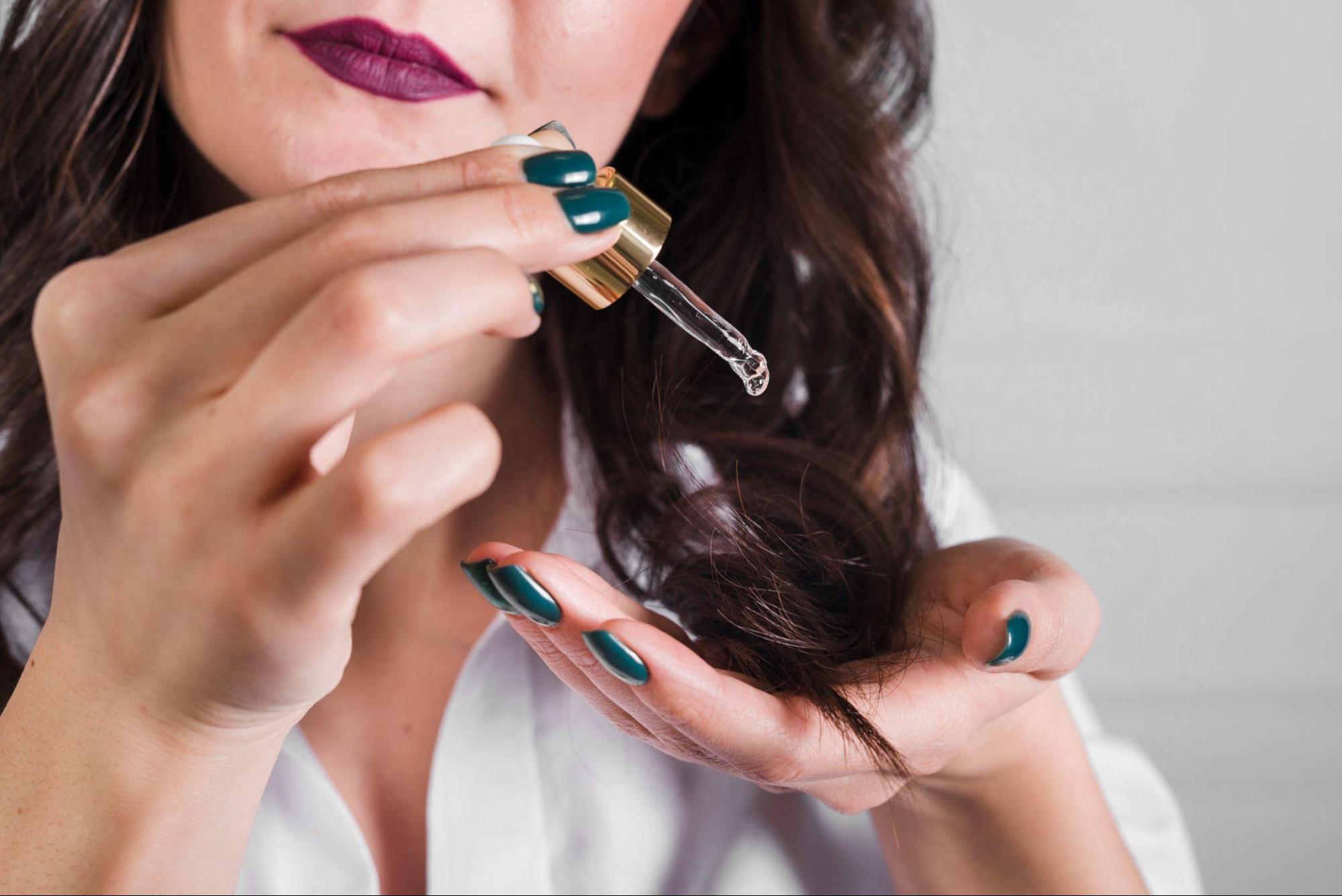
Hair loss used to be something people quietly accepted. You’d notice more strands on the pillow, try a new shampoo, maybe switch your diet, and hope things improved. But increasingly, people are turning to a more targeted approach — scalp serums designed to work deeper than topical oils or regular conditioners ever could. The science behind these serums has caught up quickly, and so has the conversation around what actually drives hair recovery.
Why Hair Growth Isn’t Just About the Scalp Surface
Most people treat hair loss as a surface problem. They massage oils, use thickening shampoos, or apply heat protection sprays. But hair growth begins about 4mm below the surface, in a structure called the hair follicle. If the follicle is miniaturized, inflamed, or starved of nutrients, no amount of surface-level treatment will reverse the damage.
This is why serums have become important. Unlike oils, which sit on the scalp or hair shaft, serums are formulated with smaller molecules that can penetrate deeper into the skin. Their water-based structure allows active ingredients to reach the follicle environment more effectively — which is where the real work needs to happen.
What Makes a Serum Actually Work
Not all serums are created equal. A serum is only as good as the active ingredients it carries. Some ingredients have real clinical backing. Others are marketing filler. Here’s what to actually look for:
- Redensyl and Capixyl: These are peptide-based compounds that target stem cells at the base of the follicle and help reactivate dormant growth cycles.
- Anagain: A plant-derived extract from organic pea sprouts that has been shown to shift more follicles from the resting phase (telogen) to the active growth phase (anagen).
- Procapil: A blend of vitamins and biotinoyl tripeptide-1 that targets follicle aging and improves microcirculation at the scalp.
- Caffeine: A lesser-known but well-studied compound that blocks DHT uptake at the follicle level and extends the anagen phase.
These ingredients don’t work overnight. But when used consistently, they create conditions where follicles can function better and sustain growth longer.
The DHT Factor That Most People Miss
One of the most underappreciated causes of hair thinning — particularly in men — is dihydrotestosterone, or DHT. This is a hormone derived from testosterone, and in people with a genetic sensitivity, it binds to receptors on the follicle and gradually shrinks it over time. This process is called follicle miniaturization, and it’s the mechanism behind androgenic alopecia, the most common type of hair loss.
Serums that contain DHT-blocking ingredients address the problem at this root level. This is why products like the Traya Hair Growth Serum include combinations of scientifically studied actives rather than relying on a single compound — because hair loss rarely has a single cause.
How to Apply a Serum for Maximum Absorption
Application method matters more than most people realize. You can have the right serum and still not get results if it’s being applied incorrectly.
- Apply directly to the scalp, not the hair shaft — the follicle is in the skin, not the strand
- Use on a clean scalp so residue doesn’t block absorption
- Part your hair in sections to ensure even coverage, especially in thinning areas
- Use fingertips to gently press the serum in rather than rubbing — aggressive rubbing can cause mechanical stress on already fragile follicles
- Leave it on — serums are not rinse-out products; they need time to penetrate
Most dermatologists recommend applying scalp serums at night so the active ingredients can work without interference from sweat, sun exposure, or product layering.
Combining Serums with a Broader Hair Recovery Plan
Serums are powerful, but they work best when they’re part of a larger plan. Nutritional deficiencies — especially in iron, vitamin D, and biotin — can blunt the effectiveness of even the best topical treatments. Chronic stress, poor sleep, and hormonal imbalances all continue to push hair into early shedding regardless of what you apply externally.
If you’re researching where to begin with a more structured approach, reading through some solid hair growth tips that address both internal and external factors can help you see the full picture before committing to a single solution.
Final Thoughts
Hair recovery is rarely quick, and it’s rarely simple. But the emergence of properly formulated scalp serums has given people a legitimate, evidence-backed tool to work with. The key is understanding what’s actually causing your hair loss — whether it’s DHT sensitivity, nutritional gaps, or lifestyle stress — and then building a plan that addresses those root causes. A serum is most effective when it’s not doing the job alone.