
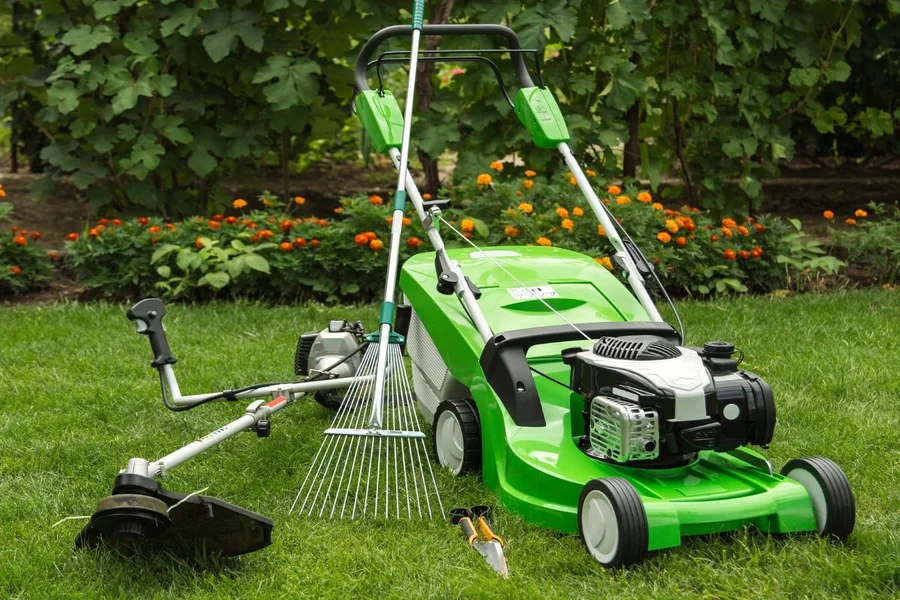
A freshly mowed lawn is satisfying, but if you’ve ever admired a landscape that looks professionally maintained, you’ve probably noticed something beyond evenly cut grass. The clean edges along sidewalks, neatly trimmed fence lines, and tidy spaces around trees are what truly complete the picture. That’s where a string trimmer becomes an essential partner to your lawn mower rather than an optional accessory.
After years of maintaining residential landscapes, I’ve found that homeowners often invest heavily in choosing the right mower while overlooking the tool responsible for the final 10 percent of the job. Ironically, that last 10 percent is often what creates the biggest visual impact. If you’re building a complete lawn care routine, choosing a quality string trimmer allows you to reach areas no mower can access while improving the overall appearance and health of your landscape.
Organizations such as the Outdoor Power Equipment Institute (OPEI) have also noted the increasing popularity of cordless outdoor equipment, making string trimmers lighter, quieter, and easier for homeowners to incorporate into regular lawn maintenance.
Why Lawn Mowers Alone Cannot Deliver a Truly Finished Landscape
Even the highest-quality lawn mower has physical limitations.
Its cutting deck simply cannot reach:
- Along fences
- Around trees
- Next to retaining walls
- Around flower beds
- Under shrubs
- Beside mailboxes and utility boxes
Without trimming these areas, uneven grass creates visual distractions that make an otherwise healthy lawn appear unfinished.
Professional landscapers understand that mowing establishes consistency, while trimming adds precision.
Together, the two create a balanced, well-maintained appearance.
How a String Trimmer Creates Definition That a Lawn Mower Cannot Achieve
One of the greatest strengths of a string trimmer is its ability to define boundaries.
Clean transitions between:
- Grass and sidewalks
- Turf and garden beds
- Driveways and lawns
- Decorative landscaping and open turf
give the landscape structure and visual contrast.
These defined edges also make future mowing easier because grass growth remains more contained.
The result isn’t simply a cleaner appearance—it creates a landscape that appears intentionally maintained rather than merely cut.
The Best Areas to Use a String Trimmer After Every Mowing Session
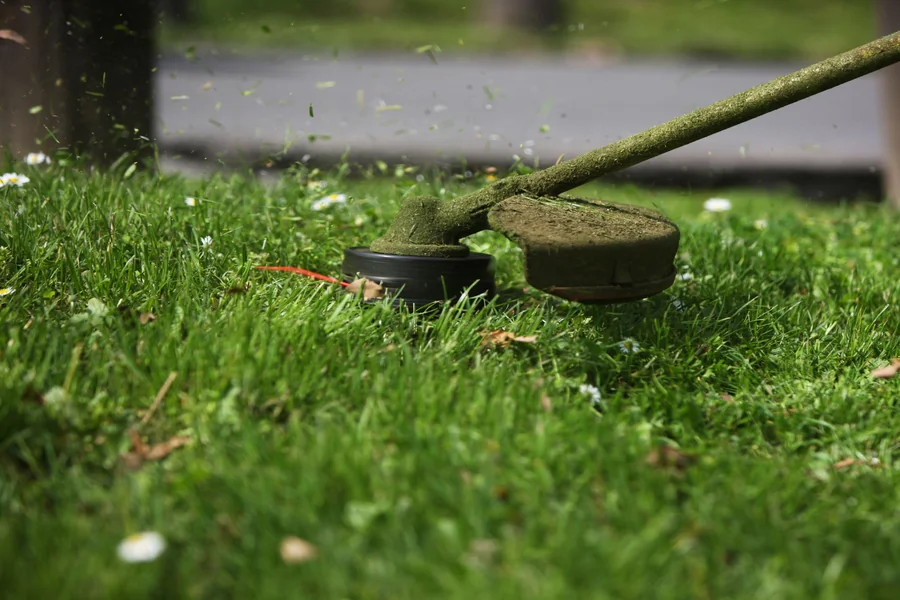
Most homeowners only need five to ten additional minutes after mowing.
Focus on:
Around trees
Prevent tall grass from competing with mulch rings while maintaining a neat appearance.
Fence lines
Remove grass that mower decks cannot safely reach.
Sidewalks and driveways
Create crisp edges that frame the lawn.
Landscape beds
Keep ornamental plants free from encroaching grass.
Decks, patios, and sheds
Trim difficult corners without damaging surrounding structures.
These finishing touches dramatically improve curb appeal with relatively little effort.
Why Precision Matters More Than Cutting Power During Finish Work
Many buyers assume higher power automatically produces better results.
In reality, finish trimming requires:
- Control
- Balance
- Consistent cutting speed
- Comfortable handling
Aggressive trimming often damages bark, edging materials, irrigation heads, and decorative plants.
Experienced landscapers typically reduce speed when working around delicate landscaping because cleaner results come from precision rather than force.
Brushless motors have become particularly valuable because they provide smooth torque delivery without sudden surges.
The U.S. Department of Energy has highlighted brushless motor technology as an efficient solution that improves both energy use and equipment performance.
Lawn Mower vs String Trimmer: Understanding Their Different Roles
| Task | Lawn Mower | String Trimmer |
| Cutting open lawn areas | Excellent | Poor |
| Around trees | Limited | Excellent |
| Fence lines | Limited | Excellent |
| Sidewalk edging | Moderate | Excellent |
| Decorative landscaping | Limited | Excellent |
| Large open spaces | Excellent | Moderate |
Neither tool replaces the other.
Instead, they function as complementary parts of a complete lawn care system.
A Professional Workflow That Produces Cleaner Results Every Time
Professional maintenance crews rarely trim before mowing.
Instead, they typically follow this sequence:
- Remove debris.
- Mow the primary lawn.
- Trim inaccessible areas.
- Edge sidewalks if needed.
- Blow away grass clippings.
Following this order prevents unnecessary rework and allows trimming to blend seamlessly with the freshly mowed lawn.
This workflow also makes it easier to identify areas that require touch-ups after mowing.
Common Mistakes That Reduce Landscape Quality
Several habits prevent homeowners from achieving professional-looking results.
Trimming before mowing
Freshly mowed grass often changes the amount of trimming required.
Using maximum speed everywhere
Higher cutting speed isn’t always better around delicate landscaping.
Ignoring worn trimmer line
Short or frayed line tears grass instead of producing clean cuts.
Skipping edging altogether
Without defined borders, lawns gradually spread into sidewalks and flower beds.
The Consumer Product Safety Commission (CPSC) also recommends inspecting outdoor power equipment regularly and using protective gear during trimming operations to improve safety and maintain reliable performance.
Simple Maintenance Habits That Keep String Trimmers Performing Their Best
Routine maintenance helps maintain cutting quality throughout the season.
Recommended practices include:
- Replace worn trimmer line promptly.
- Remove grass buildup after every use.
- Inspect the cutting head regularly.
- Store batteries indoors during extreme temperatures.
- Keep air vents clean.
These simple habits reduce wear while maintaining consistent cutting performance.
Choosing the Right String Trimmer for Your Property Size
Before purchasing, consider:
Small suburban lawns
Lightweight cordless models provide excellent maneuverability.
Medium-sized properties
Look for adjustable shafts and longer battery runtime.
Larger residential landscapes
Brushless motors and larger battery platforms improve productivity while maintaining consistent cutting power.
Matching the equipment to your property’s maintenance needs leads to better comfort, efficiency, and long-term value.
Frequently Asked Questions
Can a string trimmer replace a lawn mower?
No. String trimmers are designed for precision trimming and edging, while lawn mowers efficiently cut large open areas.
Should I trim before or after mowing?
Most professionals recommend mowing first, then trimming areas the mower couldn’t reach.
Are cordless string trimmers powerful enough?
Yes. Modern brushless cordless models provide ample power for routine residential trimming while requiring less maintenance than gas-powered alternatives.
How often should I edge my lawn?
For most residential properties, edging every two to four weeks maintains crisp borders without excessive effort.
Final Thoughts
A beautiful lawn is rarely the result of mowing alone. The sharp edges, neatly trimmed obstacles, and defined landscape borders created by a string trimmer are what transform ordinary lawn maintenance into a polished, professional-looking finish.
By viewing your mower and trimmer as complementary tools rather than separate purchases, you’ll achieve cleaner results, protect ornamental landscaping, and create a lawn that consistently looks well cared for throughout the growing season. Often, it’s the finishing details—not the mowing itself—that leave the strongest impression.