
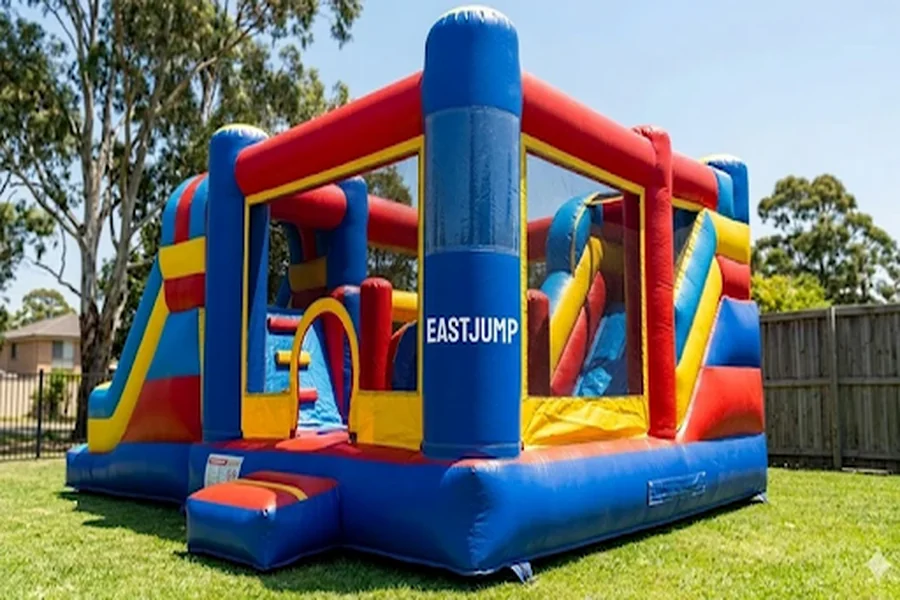
In the thriving Australian event and party hire industry, the difference between a profitable venture and a struggling one often boils down to a single factor: equipment reliability. For entrepreneurs operating in major hubs like Sydney, Melbourne, Brisbane, and Perth, the jumping castle rental business offers a lucrative opportunity with high demand year-round. However, the initial excitement of launching a business can quickly fade if the core assets—the inflatables themselves—fail to perform under pressure.
As the market becomes increasingly competitive, a critical question has surfaced among professional operators: Is a 2-year warranty truly necessary, or is it just a marketing luxury? This article explores why a robust warranty is the ultimate safeguard for your business and how leaders in the space, such as EastJump Australia, are redefining industry expectations through quality and transparency.
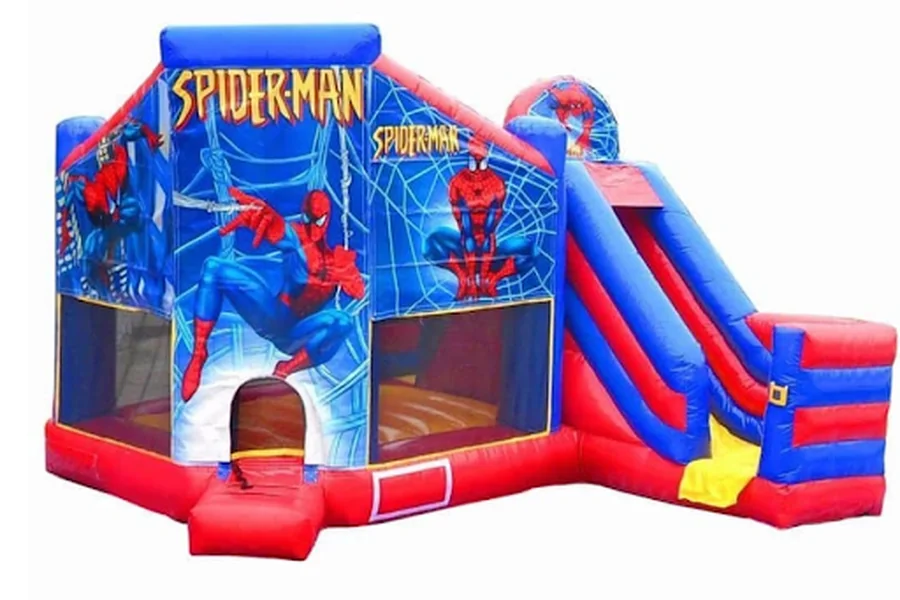
The High Stakes of the Australian Rental Climate
Operating inflatables in Australia presents a unique set of challenges that products designed for other regions often fail to meet. Our environmental factors are notoriously harsh on synthetic materials. The intense Australian sun, for instance, can cause cheaper PVC and nylon materials to become brittle and fade rapidly without high-grade UV resistance.
Furthermore, the “weekend warrior” culture in Australia means rental units often go through multiple setups and pack-downs in a 48-hour window, placing immense mechanical stress on every stitch and seam. When sourcing high-quality commercial inflatables, many Australian operators overlook the fine print regarding product support and longevity, which can be a costly mistake.
The Hidden Financial Trap of “No-Warranty” Imports
The temptation to import low-cost inflatables directly from unverified offshore suppliers is high. On paper, the lower upfront cost suggests a faster path to profit. However, experienced operators recognize this as a “hidden financial trap.” Without a local 2-year warranty, a business owner is essentially self-insuring their entire inventory.
If a seam rips during a busy Saturday afternoon hire, the loss extends far beyond the repair cost. You lose the immediate rental income, damage your reputation with that client, and lose potential future referrals. If the manufacturer lacks local support, a damaged unit often becomes a total loss. A 2-year warranty acts as a “stress test” passed by the manufacturer, signifying that the product has been engineered to withstand hundreds of days of professional operation without catastrophic failure.
Why a 2-Year Warranty is the Industry Gold Standard
In the global manufacturing landscape, a 2-year quality guarantee is considered the “Gold Standard” for commercial-grade PVC products. It covers the critical phase of a product’s lifecycle where manufacturing defects—such as improper heat welding or inconsistent thread tension—would typically manifest under the strain of heavy use.
By offering this level of protection, reputable suppliers provide a safety net that allows business owners to scale their operations with confidence. This commitment shifts the operational risk back to the supplier, ensuring they maintain a higher level of quality control in the factory. For the buyer, this means peace of mind that their equipment is built for longevity rather than obsolescence.
Engineering for Longevity: What to Look For
So, what does a “protected investment” actually look like in technical terms? Professional-grade equipment should be supported by a foundation of rigorous engineering and local market knowledge:
- Premium 0.55mm PVC Construction: While home-use models often use thin nylon, commercial units must utilize heavy-duty 0.55mm PVC. This material is puncture-resistant, fire-retardant, and specifically treated for the Australian climate.
- Compliance with Safety Standards (EN14960-2:2019): Safety is a legal and insurance requirement. In Australia, obtaining Public Liability Insurance is mandatory for most venues. It is crucial to ensure that equipment meets recognized safety standards like EN14960-2:2019, making the unit compliant and insurable.
- Reinforced Stress Points: High-quality jumping castles feature quadruple stitching on high-stress areas and reinforced strips at the base seams. These are the areas most likely to fail on cheaper models.
- Local Expertise: Working with a provider that understands Australian shipping logistics and regional terminology ensures that the support you receive is tailored to the local business environment.
Maximizing Your ROI: Maintenance Tips for Long-Term Success
Even with the best 2-year warranty in the business, the longevity of an inflatable depends on professional care. To ensure your units last well beyond the warranty period, seasoned operators recommend:
- Dry Storage: Never pack a unit away wet. Moisture trapped in PVC can lead to mildew and weaken the heat-welded seams over time.
- Regular Inspections: Check anchor points and slide covers weekly for minor wear before they become major operational issues.
- Consistent Air Pressure: Using high-quality blowers ensures consistent pressure, which prevents the material from sagging and over-stretching during use.
The Bottom Line
In the rental industry, your reputation is your most valuable currency. That reputation is built on the safety and reliability of the equipment you provide to families, schools, and corporate events. Choosing a jumping castle without a solid 2-year warranty isn’t just a cost-cutting measure; it’s a gamble with your brand’s long-term viability.
By partnering with a trusted local specialist like EastJump Australia, you are securing more than just high-quality inflatables. You are gaining professional-grade durability and the support of a team that understands what it takes to succeed in the unique Australian event market.