
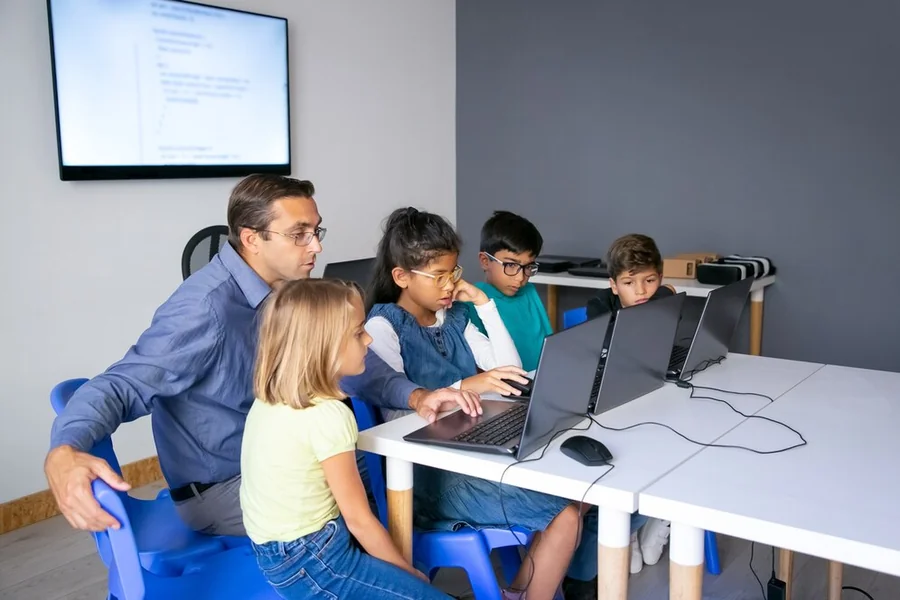
Classroom methods have changed steadily over the last decade. Digital tools, subject-based activities, and interactive lessons now support better academic engagement across many schools. This method may help improve concept clarity, participation, and subject interest among students.
Better Subject Clarity Through Interactive Lessons
A modern classroom setup allows students to connect textbook concepts with visual examples and lesson activities. In many schools, digital boards, presentations, and structured educational software support lesson delivery in a simple format. This approach helps students grasp difficult concepts with greater ease and supports better attention.
Parents who look for a high school in Gurgaon examine how lessons are conducted inside learning spaces. Technology-integrated teaching methods may help improve topic retention through diagrams, simulations, and subject-based demonstrations. Students also receive exposure to varied forms of content, which supports different learning styles within the same academic setting.
Balanced Use of Practical and Academic Skills
A curriculum that includes technology supports academic learning with practical exercises that connect theory with application. Students receive opportunities to work on presentations, research tasks, and collaborative assignments that strengthen analytical ability.
Schools across Gurgaon continue to adopt structured digital resources within regular classroom sessions. This shift helps students build confidence while handling information, group projects, and subject discussions. A balanced combination of written work and practical exposure supports a more complete academic experience.
Classroom Participation Receives Better Support
Technology-based learning tools may help create a more active learning environment. Students who hesitate during regular lectures sometimes participate more during interactive activities, quizzes, and visual lessons. This change supports better communication between teachers and students during lessons.
Teachers also gain access to tools that help explain lessons with greater precision. Subject topics from mathematics, science, and languages can be presented through visuals, charts, and structured modules. In Gurgaon, several schools include such methods to support student attention during long academic sessions.
Digital Assessments and Feedback Methods
Digital assessments allow teachers to identify academic gaps with greater accuracy. Quick feedback supports students who require additional subject guidance or revision support after class tests. This method also helps teachers plan lessons according to classroom performance patterns.
Students receive clearer feedback through reports, progress trackers, and assessment summaries. Such systems may help improve preparation before examinations and class evaluations.
Research Skills Develop at an Early Stage
A strong high school curriculum includes structured research activities that support subject depth and analytical ability. Technology-integrated classrooms help students collect information, compare academic sources, and complete assignments with better accuracy. These methods support independent thought, subject clarity, and stronger classroom participation during higher grades.
Parents who plan to choose a reputable school in Gurgaon usually examine how academic research and subject exploration are introduced within the curriculum. Libraries, digital resources, and guided academic tasks together support a more detailed learning process. Students also receive broader exposure to subjects outside textbooks, which may help improve academic confidence across multiple disciplines.
Subject Interest May Improve Through Visual Learning
Visual learning tools support students who respond better to diagrams, charts, and animated explanations. Science concepts, historical timelines, and mathematical processes become easier to understand through visual representation. This method supports stronger student concentration and lesson recall.
A technology-integrated curriculum also allows lessons to include audio and visual support where required. Students remain more attentive during structured interactive sessions compared to long lecture formats. This classroom model may help improve academic consistency across different age groups.
Organised Learning Systems Help Academic Routine
Structured digital systems help students manage assignments, schedules, and class resources in an organised format. Academic materials remain accessible through digital platforms and shared resources. This arrangement supports better lesson preparation and revision habits.
Several schools in Gurgaon use organised academic systems that support communication between teachers, students, and parents. Such systems also reduce confusion related to homework, project timelines, and academic notices. A clear academic structure contributes to smoother school coordination.
Exposure to Collaborative Classroom Tasks
Collaborative classroom activities help students work in groups and exchange ideas during academic sessions. Technology-based classroom projects support communication, planning, and problem-solving among peers.
Some common collaborative activities include:
- Group presentations with visual aids
- Subject research projects
- Interactive quizzes
- Shared science or mathematics assignments
- Digital storytelling exercises
These teaching methods support teamwork and subject engagement in a practical manner. Students also learn how to present ideas clearly during academic discussions and project reviews.
Technology-integrated curriculum methods continue to shape academic experiences across many schools. A structured combination of digital tools, subject activities, and practical exercises may help improve academic understanding and participation. Parents who explore a high school in Gurgaon usually examine how classrooms support both academic progress and practical learning habits. In Gurgaon, such teaching methods contribute to a more organised and interactive educational environment for students.