
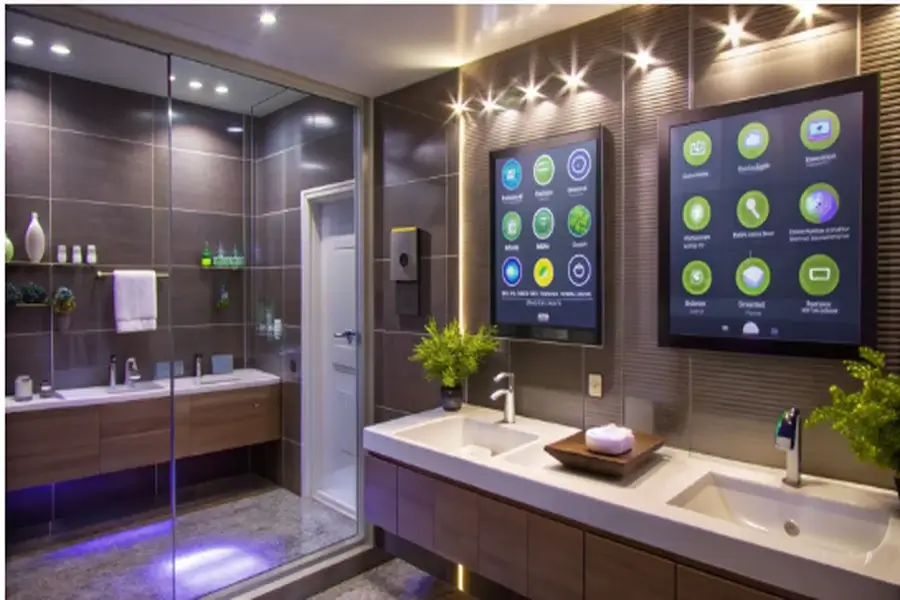
We’ve all seen the futuristic movie scenes: a character walks into a room, lights fade up perfectly, music starts playing softly, and the blinds adjust to the setting sun—all without lifting a finger. It looks effortless. It looks magical. And thanks to modern technology, it’s actually attainable.
But there’s a big difference between buying a smart bulb at the hardware store and living in a truly intelligent home. While the DIY route is tempting, often driven by the excitement of unboxing shiny new gadgets, it rarely delivers the seamless experience we dream of. Custom installations, handled by professional home automation services, bridge the gap between a clutter of apps and a cohesive, reliable system.
If you are considering upgrading your living space, it’s worth understanding why a professional touch often leads to better, longer-lasting results.
What are the pitfalls of DIY smart home setups?
It usually starts small. You buy a smart speaker. Then a video doorbell. Then maybe a smart thermostat. Individually, they work great. But collectively? That’s where the headache begins.
The biggest issue with the do-it-yourself approach is fragmentation. You end up with five different apps on your phone: one for lights, one for security, one for climate, and so on. Instead of simplifying your life, you’ve just digitized your chores.
Beyond the app clutter, there’s the issue of network congestion. Most consumer-grade routers aren’t designed to handle 40 or 50 Wi-Fi-connected devices constantly pinging the network. This leads to slow internet speeds, devices that randomly disconnect (“Sorry, I can’t reach the kitchen light right now”), and general frustration.
The Expertise Advantage: Why Professional Installation Matters
This is where professional home automation services shine. An expert integrator doesn’t just install devices; they design an ecosystem.
Professionals understand the backbone of a smart home: the network. They install enterprise-grade networks that can handle high traffic without breaking a sweat. They also know which communication protocols (like Zigbee, Z-Wave, or specialized control systems) work best for specific tasks, moving traffic off your main Wi-Fi so your Netflix stream doesn’t buffet because your smart fridge is updating.
Furthermore, professionals prioritize security. In a DIY setup, every cheap smart plug is a potential entry point for hackers. Professional installers set up secure firewalls and VLANs (Virtual Local Area Networks) to keep your smart devices separate from your personal data.
Cost-Benefit Analysis: Long-Term Savings vs. Upfront Investment
Let’s be real: hiring a professional costs more upfront than buying off-the-shelf products. However, the long-term math often favors the professional route.
Think of it like building a house. You could try to do the plumbing yourself to save money, but if a pipe bursts in three years, that initial saving evaporates instantly.
DIY setups often suffer from “buy cheap, buy twice.” You might buy a smart lock that looks great but drains batteries every week or loses connection constantly, leading you to replace it a year later. A professional installer recommends vetted, durable hardware designed to last for years, not months. Plus, a fully integrated system can actually increase your home’s resale value, whereas a bag of mismatched smart plugs generally does not.
How do you ensure compatibility and scalability?
Technology moves fast. The cool gadget you buy today might be obsolete tomorrow. Professional home automation services build systems with the future in mind.
Scalability is key. Maybe today you only want automated lighting. But in two years, you might want to add whole-home audio or automated shades. A professionally designed system is built on a unified platform that allows for easy expansion. You won’t have to rip everything out and start over; you just add to the existing framework.
Professionals also ensure interoperability. They make sure your security system talks to your lighting (so lights flash if an alarm goes off) and your thermostat talks to your shades (closing them when the sun is too hot to save energy). This level of cross-communication is incredibly difficult to achieve reliably with off-the-shelf DIY products.
The Human Touch: Personalized Solutions for Unique Needs
A smart home shouldn’t force you to change how you live; it should adapt to you.
Off-the-shelf products offer generic solutions. A professional installer offers personalization. They sit down with you to understand your routine. Do you wake up early? Do you host parties often? Do you travel frequently?
They can program “scenes” that fit your life. A “Good Morning” scene might slowly raise the lights, warm up the bathroom floor, and turn on the news. A “Vacation” mode might randomly toggle lights to make the house look occupied while you’re away. This isn’t just technology; it’s lifestyle enhancement tailored specifically to you.
Investing in Lasting Value
There is certainly a place for DIY smart devices. If you just want to control a single lamp with your voice, a simple smart plug is fine. But if you want a home that truly anticipates your needs, offers robust security, and works reliably day after day, professional installation is the way to go.
By leveraging expert home automation services, you move beyond the novelty of gadgets and invest in infrastructure that improves your comfort, convenience, and peace of mind for the long haul.