
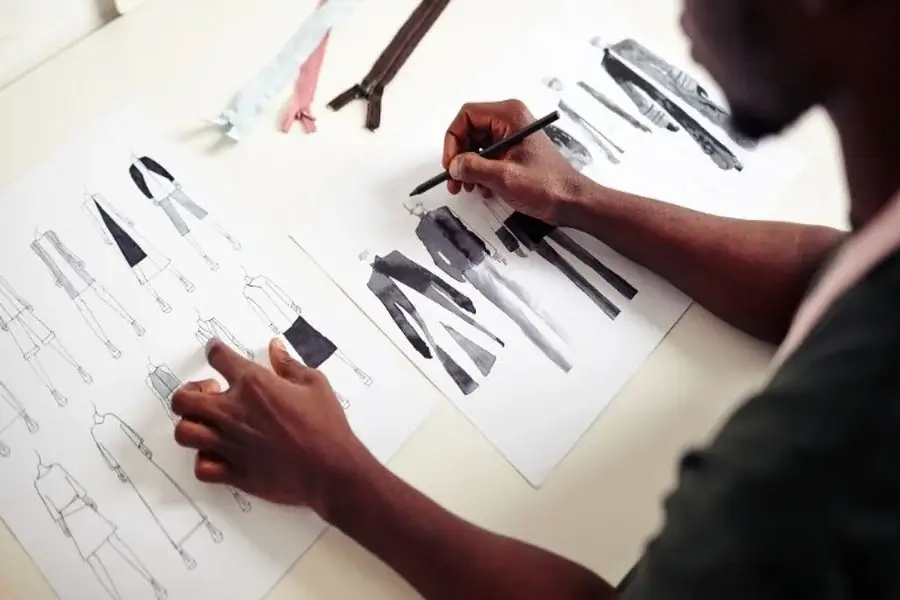
Fashion design is a multifaceted industry that needs artistic vision with technical expertise. Are you a person who is interested in fashion? Then a diploma in fashion design may be a window to your successful career. The course will provide students with the skills and knowledge they need to succeed at different fashion-related jobs: styling and design, merchandising, and digital design.
Find out here the most important topics and practical skills you are going to acquire when pursuing a diploma in fashion design, and how they help equip you to succeed in the fashion industry
Core Subjects You Will Study in a Diploma in Fashion Design
A diploma in fashion design usually covers a broad range of subjects, making it a comprehensive programme. Some of the main subjects you are likely to study in your course are as follows:
1. Fashion Illustration
- Create fashion sketches and drawings by hand and, where available, using basic digital tools.
- Learn the skills of making design communication through technical drawing.
- Learn to introduce design in a professional and commercially marketable manner.
2. Textiles and Fabric Knowledge
- Research the various types of fabrics, their characteristics, and applications in clothing production.
- Learn the importance of fabric selection for different styles and seasons.
- Get practical knowledge of the art of working with the fabric, including draping, stitching, and weaving.
3. Trend Forecasting
- Gain an introductory understanding of trend forecasting in fashion and explore how trends may be influenced by cultural, social and economic factors.
- Learn how to incorporate trends into your designs in a way that satisfies consumer demands.
4. Garment Construction
- Learn about the technicalities of creating and manufacturing clothes.
- Master the art of sewing, sew fabrics together and cut patterns to make a wearable design.
- Develop an understanding of garment fit, finishing, and construction techniques.
5. Fashion Styling and Merchandising
- Learn the secret behind dressing fashion collections on photo shoots, runways and retailing.
- Find out how to build attractive collections which show who your brand is.
- Learn the basics of fashion merchandising and the retail setting.
6. Fashion Business and Marketing
- Get to know the business part of fashion, such as branding, marketing and fashion entrepreneurship.
- Learn the ins and outs of marketing and selling your designs.
- Understand the financial and logistical aspects of running a fashion label or brand.
Key Skills Developed During a Diploma in Fashion Design
A diploma in fashion design will also equip you with a number of practical skills besides the theoretical subjects, which are important in the fashion industry. Such practical skills will assist you in the application of creative ideas to real fashion products.
1. Creative Problem-Solving
- Get through design constraints and come up with new solutions.
- Be learned how to balance creativity and functionality in your design.
- Be creative and use your visualisation to resolve issues, such as fabric selection and modifications to the designs.
2. Attention to Detail
- Learn accuracy when creating and making clothes.
- Master your type of sewing, make sure you have a tidy, neat seam and finish.
- Improve your skill to identify details that can take your designs high, like accessories and colour combination.
3. Time Management and Organisation
- Work on several projects having close deadlines in a high-velocity environment.
- Find out how to balance time as you create design portfolios, assignments and collections.
- Get exposure to 3D fashion design concepts and virtual garment development, depending on the institute’s curriculum.
4. Technical Proficiency
- Master the use of digital design software such as Adobe Illustrator and Photoshop.
- Gain experience with 3D fashion design programs and virtual garment development.
- Learn to operate basic sewing machines and, where available, overlockers and other essential fashion equipment.
5. Communication and Collaboration
- Work as part of a team, collaborating with other students, instructors, and industry professionals.
- Develop your ability to communicate design ideas clearly.
- Enhance your skills in presenting collections to clients, brands, or investors.
Conclusion: A Solid Foundation for Your Fashion Career
A diploma in fashion design gives one the knowledge and the skills required to fulfil a career in fashion successfully. With a combination of creative courses and practical methods, students will leave the school with a balanced understanding of the fashion world. This course equips students with skills in garment construction, fabric knowledge, business marketing, and styling, among other diverse fields, to prepare for roles such as design assistant, styling intern, or junior merchandiser, with scope to grow into entrepreneurial or senior design roles over time.
This diploma equips you with artistic and technical expertise. Therefore, you should be able to establish yourself in the ever-changing industry.