
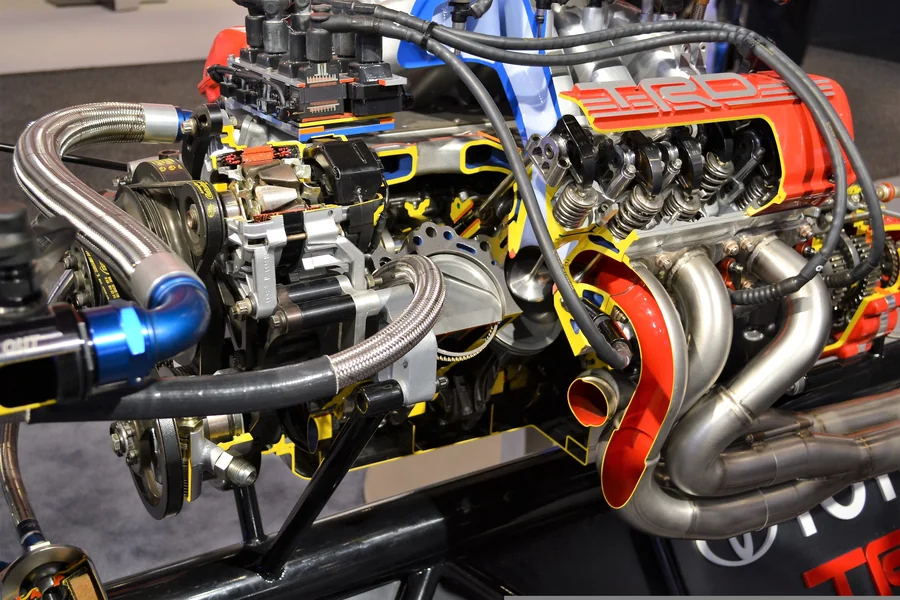
Every diesel engine will require an overhaul at some point.
The question is WHEN.
But the REAL question that will determine whether you’re making smart decisions or throwing money away is…
Which parts to repair and which parts to replace.
The last thing you want is to take your engine in for a rebuild only to have it end up back on the bench within months because you cut too many corners.
But get those decisions right and you’ll enjoy years of trouble free performance without having to break the bank.
Let’s take a closer look at diesel engine overhauls and discuss…
What’s covered here:
- Why Diesel Engine Overhauls Are Important
- The Fuel Pump Drive Shaft
- Repair Versus Replace
- Parts That Need Extra Attention
- How To Prevent Overhaul Failures
Why Diesel Engine Overhauls Are Important
Essentially, an engine overhaul is the process of tearing down your engine, inspecting its core components, and rebuilding it back up to original performance standards. Simple enough, right?
Wrong…
There are certain parts of the engine that should NEVER be crossed up during an overhaul. They should always be replaced when the engine is sent to your local machine shop for repair.
One of those parts is the fuel pump drive shaft.
This can’t be stressed enough…
When you send an engine for an overhaul, the fuel injection system should be the first thing that gets attention. Why?
Because the fuel pump drive shaft pushes rotational power to the injection pump.
If it’s worn, scored, fatigued… you’re asking for trouble.
You want master technicians that know how to properly inspect a fuel pump drive shaft AND pair it with genuine Stanadyne injection pumps. There’s nothing worse than a weak aftermarket injection pump that won’t properly mate up to the drive shaft.
If you use an aftermarket fuel pump, replace the fuel pump drive shaft as well. A worn fuel pump drive shaft will never mate up to a cheap injection pump. You’ll be facing premature failure.
The Fuel Pump Drive Shaft
Many people don’t realize how important this component is until it’s too late.
Here’s why you should always take extra care to inspect the fuel pump drive shaft.
Your fuel pump drive shaft spins the injection pump at precise RPM’s. If your drive shaft has excessive wobble, play, or scoring… it won’t spin like it’s supposed to.
That leads to incorrect fuel delivery. Which means a rough running engine, loss of power, and tons of smoke. Unplanned downtime costs fleets up to $760 per hour, so a failed fuel pump drive shaft is not something to take lightly.
When your engine is down for an overhaul, take the extra time to ensure your fuel pump drive shaft is replaced if need be.
Things to look for when your engine teardown reaches fuel pump drive shaft inspection:
- Score marks along the shaft that come into contact with the injection pump
- Does it spin freely with minimal play?
- Metal shavings/debris in the fuel system
Repair Versus Replace
This confuses quite a few people…
When your engine is being overhauled there are certain parts that can be repaired and certain parts that NEED to be replaced.
How do you know which is which? Three simple factors.
- How much wear is there?
- How much would it cost to repair vs. replace?
- How big of a risk are you willing to take?
Think about a fuel pump drive shaft. The tolerances on this component are small. A tiny bit of wear can cause big issues.
Something like a fuel pump drive shaft may cost just as much to repair as it does to replace. If that’s the case, just buy new. You’ll get much more life out of a new part.
It’s tempting to take risks on cheaper parts during an engine rebuild. However, if that fuel pump drive shaft fails during operation… the cost of an overhaul and a new drive shaft just got eaten up.
The bottom line is this:
If it deals with fuel delivery or engine timing, just replace it. It’s not worth the risk of repairing these parts.
Parts That Need Extra Attention
This isn’t just limited to the fuel pump drive shaft.
Here are a few other parts that should be handled with care during an engine overhaul.
Injection Pump
Your injection pump is what meters out fuel to the injectors. If your injection pump is worn, it can cause poor injection events. Meaning poor fuel atomization, huge emission levels, and poor fuel economy.
Statistics show that over 60% of injector failures are caused by fuel contamination. You don’t want dirty fuel pumping through a brand new injector.
Turbocharger
Due to excessive heat and RPM’s, your turbocharger should always be handled with care. Things such as the turbo bearings and compressor wheel should always be replaced.
Cylinder Head and Valves
Just because your cylinder head can be resurfaced, doesn’t mean you shouldn’t inspect it for cracks. If your cylinder head or valves are burned up, just replace them.
Gaskets and Seals
You should ALWAYS replace your gaskets and seals during an engine overhaul. Period.
There are no exceptions. You never know how old a gasket is and what kind of life it has left in it.
How To Prevent Overhaul Failures
Here are some common mistakes that will cost you extra money during an engine overhaul.
Purchasing cheap aftermarket parts. Some parts like the fuel pump drive shaft and injection pump need to be OEM specs. Aftermarket parts are just not meant to handle the stress and tolerances of diesel engines.
Neglecting the fuel system. You should never neglect the fuel system when performing an engine overhaul. Inspect EVERYTHING.
Rushing the job. If an engine shop can rush your engine overhaul, they shouldn’t be doing them in the first place. Your engine needs to be handled carefully and with precision.
Neglecting cleanliness. Dirt is the number one enemy of a diesel engine overhaul. Every single part that comes off of your engine should be cleaned.
Wrapping Things Up
While a diesel engine overhaul is pricey, there are ways to ensure you get the most out of your repair.
Pay close attention to the fuel pump drive shaft, injection pump, turbocharger, and seals.
These are the parts that if you cut corners, will cause you the most problems.
Takeaway Points:
- Inspect your fuel pump drive shaft for wear/scoring
- Don’t repair high stress fuel components. Replace them.
- Use OEM style parts for your injection pump and fuel pump drive shaft.
- Cleanliness is key. Clean every component before installing.
- Don’t rush your diesel engine overhaul.
Make sure you’re making the right call on your repair vs. replace decisions. Your engine will thank you for it…and so will your wallet.