
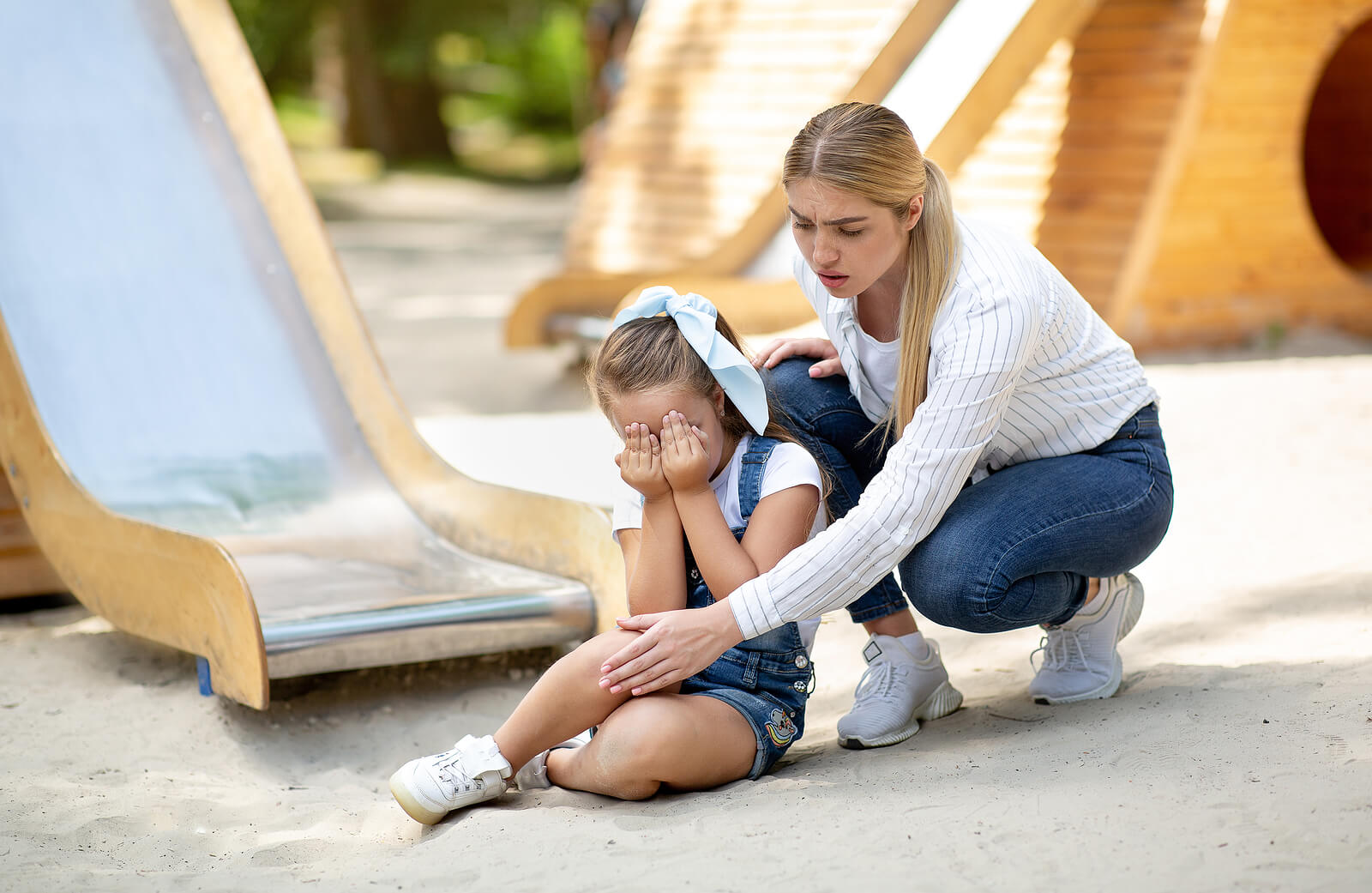
Playgrounds and sports fields are where kids learn, explore, and build confidence. These spaces encourage physical activity and teamwork, helping children develop coordination and social skills. However, active play also comes with risks. Falls, scrapes, and collisions are common, and while most are minor, some injuries can be more serious if not handled correctly. Parents, teachers, and caregivers should know how to respond calmly and effectively when accidents happen. Understanding basic first aid ensures that children receive the right care quickly, minimizing pain, preventing infection, and supporting a speedy recovery.
Why First Aid Matters for Active Kids
Children’s enthusiasm for play can sometimes outpace their awareness of danger. Even well-maintained playgrounds have risks—from slippery surfaces to uneven ground. Quick and appropriate first aid not only helps physically but also reassures the child emotionally, reducing fear after an accident. Proper first aid practices prevent complications like infections, swelling, or fractures from worsening before professional care is available.
For parents and coaches, being prepared means more than just having a first aid kit nearby—it’s about knowing how to use it effectively.
Common Playground and Sports Injuries
Playground injuries can range from simple bruises to more complex fractures. Some of the most common include:
- Scrapes and cuts: Caused by contact with hard surfaces or sharp objects.
- Sprains and strains: Often from twisting ankles or falling during running or jumping.
- Fractures and dislocations: From falls off play equipment or rough sports contact.
- Head bumps and concussions: From collisions or hitting playground structures.
- Bruises and minor burns: Caused by friction, hard landings, or hot equipment on sunny days.
Knowing how to recognize the severity of these injuries helps determine whether at-home treatment or medical attention is needed.
Step 1: Assess the Situation and Stay Calm
When an injury occurs, children often react to the emotions of adults around them. Stay calm, reassure the child, and assess the scene to ensure it’s safe before approaching. Move other children away from the area to prevent crowding and give space for care.
If the child is crying but responsive, that’s usually a good sign. However, if they appear confused, dazed, or unresponsive, seek immediate medical help. Always check for breathing and consciousness first, as these are the most critical indicators of a severe emergency.
Step 2: Treat Minor Cuts and Scrapes
For small wounds, wash your hands and gently clean the area with mild soap and water. Remove dirt or debris using sterile tweezers if necessary. Pat dry with a clean cloth and apply an antiseptic ointment to prevent infection. Cover the wound with a sterile bandage or adhesive strip.
If the bleeding continues after a few minutes of direct pressure, or if the wound is deep or dirty, seek medical attention. Keep an eye out for signs of infection later—redness, swelling, or pus indicate the need for professional care.
Step 3: Handle Sprains and Strains
Ankle twists and muscle strains are common during sports and play. If a child limps, complains of pain, or shows swelling around a joint, follow the R.I.C.E. method:
- Rest: Stop all activity immediately to prevent further injury.
- Ice: Apply a cold pack for 15–20 minutes to reduce swelling.
- Compression: Wrap the area lightly with an elastic bandage for support.
- Elevation: Keep the injured limb raised above heart level.
Avoid applying ice directly to the skin—use a cloth barrier to prevent frostbite. If the child cannot bear weight or pain persists after a day, see a healthcare provider to rule out a fracture.
Step 4: Responding to Head Injuries
Head injuries are common when kids fall or bump into equipment. Not all bumps are serious, but it’s important to watch closely for signs of concussion: dizziness, confusion, vomiting, headache, or loss of balance.
If the child loses consciousness, even briefly, or shows any of these symptoms, call emergency services immediately. Do not let them return to play or sports until evaluated by a doctor. For mild bumps without other symptoms, apply a cold compress to reduce swelling and monitor for 24 hours.
Step 5: Managing Fractures and Dislocations
If a bone appears bent, swollen, or bruised, or the child is in severe pain, suspect a fracture or dislocation. Do not try to straighten or move the limb. Stabilize it in the position found using soft padding, clothing, or a splint if available.
Call for medical help and keep the child calm and still. Apply ice around, but not directly on, the injured area to reduce swelling. Supporting the limb gently and minimizing movement helps prevent further damage until professionals arrive.
Step 6: Handling Nosebleeds and Bruises
Nosebleeds can happen during play due to falls or collisions. Have the child sit up straight and lean slightly forward—never tilt the head back, as this can cause blood to flow into the throat. Pinch the soft part of the nose just below the bridge for 10 minutes while breathing through the mouth. If bleeding continues after 15 minutes or is caused by a head impact, seek medical care.
For bruises, apply a cold compress to reduce swelling. If bruising appears without clear cause or spreads extensively, consult a doctor to rule out underlying conditions.
Step 7: Addressing Emotional Distress
Physical injuries can frighten children, but the emotional response can be just as intense. Speak in a calm, reassuring tone, and avoid showing panic. Encourage them to take slow breaths and let them hold your hand for comfort. Explaining what you’re doing—“I’m just cleaning your scrape so it doesn’t hurt later”—helps ease anxiety.
Positive reinforcement after care, such as “You were very brave,” helps build resilience and encourages calm reactions in future situations.
Step 8: Prevention Through Education and Supervision
The best first aid is prevention. Teaching kids playground safety rules—like no pushing, waiting turns, and avoiding wet surfaces—goes a long way in preventing injuries. Ensure playgrounds have soft ground materials such as rubber or mulch, and check for loose bolts, broken swings, or sharp edges.
Coaches and teachers should emphasize stretching and warm-ups before sports to prevent strains. Regular inspection of sports gear and protective equipment—helmets, pads, and shoes—keeps kids safe during play.
Parents and caregivers can also benefit from learning essential first aid and CPR techniques. Programs like CPR Scarborough provide practical training that equips adults to respond effectively when children get injured during play or sports.
Step 9: Keeping a First Aid Kit Handy
Always keep a first aid kit near playgrounds, in classrooms, or with sports teams. Essentials should include:
- Adhesive bandages and antiseptic wipes
- Sterile gauze and adhesive tape
- Cold packs for swelling
- Elastic bandages for sprains
- Tweezers and small scissors
- Gloves and CPR mask
- Antihistamine for allergic reactions
Regularly check expiration dates and restock used supplies. A ready kit ensures immediate care and prevents small injuries from escalating.
Conclusion
Playtime and sports are essential for children’s growth, but safety must always come first. By learning basic first aid, staying observant, and maintaining a calm, confident approach, parents and caregivers can make play environments safer and less stressful for everyone.
Preparedness empowers adults to turn scary moments into manageable ones. With proper supervision, preventive measures, and practical training, children can enjoy their favorite activities knowing that help—and reassurance—is always close by. A little knowledge goes a long way toward keeping every playground adventure fun, safe, and full of smiles.