
Getting a solar generator is a smart move for anyone looking to harness renewable energy. Whether you’re planning a camping trip, prepping home backup power solutions, or setting up your RV system, understanding what to look for is crucial. First-time buyers can often feel overwhelmed by the array of options and technical jargon in the market. This checklist will guide you through the essential considerations, ensuring your purchase satisfies your specific needs. From determining your power requirements to evaluating crucial specs, we’ve covered each aspect to help you make a well-informed decision.
Know Your Power Needs First
Understanding your power requirements is essential to finding a generator that meets your needs without overpaying.
Daily Watt‑Hour Use and Peak Loads
Start by listing all devices you intend to power. Calculate the total watt-hours each uses daily. Consider peak load, which is the maximum power demand your devices might draw at one time. For instance, a refrigerator might have a high start-up load but uses less energy once running. Compile this data to understand your daily energy consumption patterns. This exercise helps you see which devices are energy hogs and which are inconsequential. The right generator should comfortably handle your peak loads without maxing out, ensuring that your power needs are met efficiently.
Match Loads to Generator Capacity
Once you have your total watt-hour consumption and peak loads figured out, you can match them to the generator capacity. Look for generators that offer slightly more capacity than your desired usage; this ensures you won’t constantly operate at maximum output, which could reduce the generator’s lifespan. Consider load management strategies for high-power devices to prolong overall machine life and effectiveness. While some generators can handle surge wattage, it is important to check the specifications to ensure they match your daily and peak usage demands, avoiding any potential overloading issues.
Key Specs to Evaluate Before You Buy
Assessing the right specifications can save you time and money, leading to a more efficient setup.
Battery Capacity: Watt‑Hours vs Usable Power
Battery capacity dictates how long your generator can run between charges. Watt-hours measure total energy storage, but usable power may differ due to efficiency losses. Check specifications to see actual output—some batteries deliver 80% of their rated capacity. Consider lithium-ion batteries for longer shelf life and higher efficiency. Compare models by looking at the usable watt-hour capacity, rather than the advertised capacity. This ensures a more realistic expectation of power delivery and prevents undersizing your system.
Inverter Output: Continuous and Surge Watts
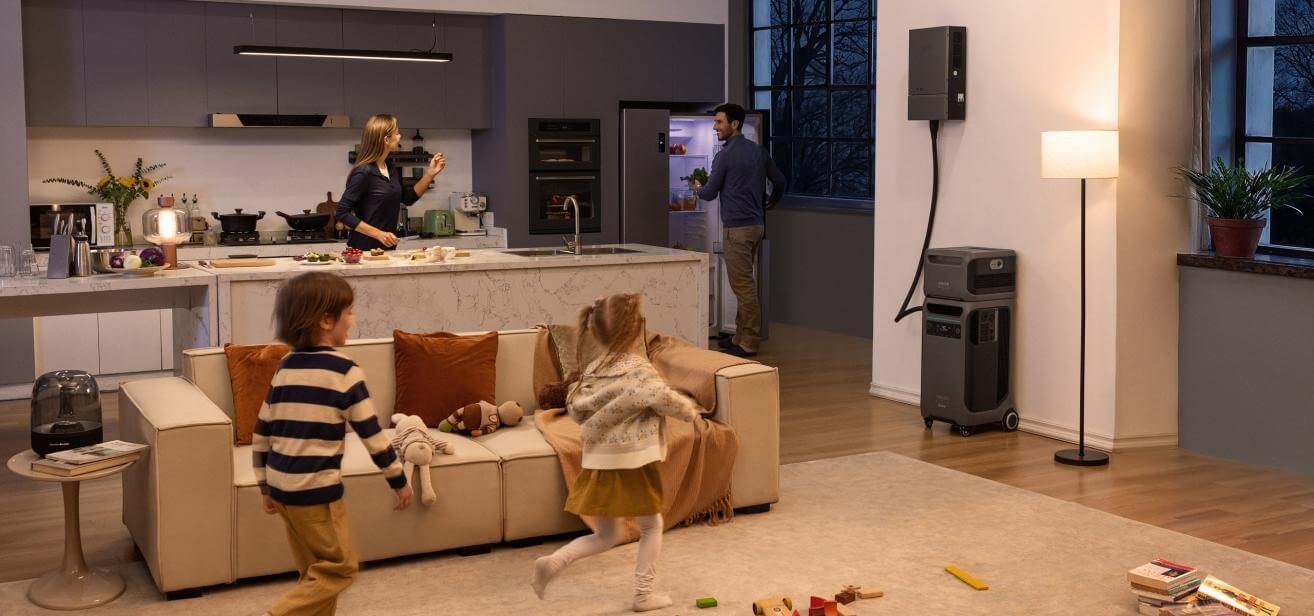
Inverter output rating comes in two forms: continuous and surge watts. Continuous watts support regular operation; surge watts cover initial power spikes, such as starting motors in appliances. Evaluate both ratings on a generator before purchasing. Choose a model that provides sufficient surge wattage for high-demand appliances. Also, aim for an inverter with clean power output to protect sensitive electronics like laptops and phones from damage. Studying continuous versus surge ratings will enhance performance during peak operation times, safeguarding your devices.
Solar Input & Charging Speed
The solar input capacity determines how fast a generator can recharge using panels. Review compatible solar panel wattage limits and corresponding charge speed. Faster charging is beneficial for uninterrupted power availability in dynamic environments. Confirm if panels can be added for expandability in future energy needs. Some generators offer MPPT (Maximum Power Point Tracking) technology to enhance efficiency when charging with solar panels. Knowing maximal solar input ensures quicker recovery to optimal power levels, crucial in low-sun scenarios.
Important Features and Practical Considerations
A practical approach to features ensures ease of use and longevity of your solar generator.
Portability, Weight, and Build Quality
Solar generators come in various sizes; portability is key for outdoor use. Check total weight, handles, and design ergonomics. Ensure durability with materials like impact-resistant plastic or metal. Lightweight models facilitate easy transportation, especially when hiking or camping. Consider additional features like waterproof or dustproof qualities, enhancing generator resilience against harsh weather. Balancing portability with build quality prevents damage while maintaining functionality in diverse scenarios.
Panel Compatibility and Expandability
Compatibility with various panel types determines flexibility. Review generator specs to confirm compatible panel models regarding voltage and connection types. Plan for future expandability by checking if additional panels can be mounted to bolster energy input. Invest in systems with modular connections for straightforward panel attachment and removal. This versatility accommodates changing power demands without replacing the generator, optimizing resources for long-term energy needs.
Safety, Warranty, and Brand Support
Safety features like overload protection, short-circuit prevention, and grounding options provide added security for users and devices. Review warranties for coverage duration and scope, prioritizing brands with comprehensive support. Good customer service simplifies troubleshooting and repair processes. Consider user reviews and industry reputation for insight into brand reliability. Selecting options with reliable safety features and robust warranties ensures sustained satisfaction and peace of mind.
Conclusion
Purchasing a solar generator for house is a significant investment in sustainable energy utilization. For a first-time buyer, understanding power needs, key specs, and essential features can make all the difference. By accurately forecasting your power consumption and matching it to generator capabilities, you enjoy an unhindered energy supply. Studying inverter output and recharge speed secures immediate recovery when necessary, while considering practical aspects like portability enhances use experience. Remember, reliable brands provide extensive support for customer satisfaction. Consulting this checklist facilitates an efficient decision-making process and ensures the generator matches your lifestyle requirements seamlessly.