
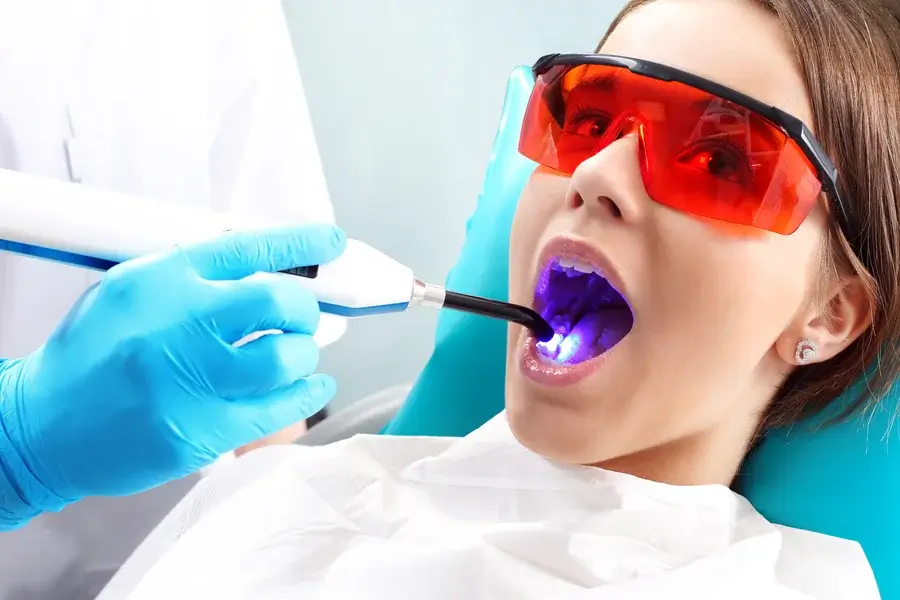
Dental practices are among the highest energy consumers in the healthcare sector, with lighting accounting for up to 20% of their total electricity usage. Modern dental procedures demand exceptional visibility, yet many practices struggle with outdated lighting systems that not only drain energy but also compromise clinical accuracy. From intricate root canals to precise cosmetic work, inadequate illumination can lead to eye strain, missed diagnoses, and extended procedure times. This dual challenge of excessive energy consumption and suboptimal lighting performance has become increasingly critical as practices face rising utility costs and heightened quality care demands. Dental light technology has emerged as a groundbreaking solution, offering practices a path to dramatically reduce their energy footprint while enhancing clinical capabilities. By understanding and implementing these advanced lighting solutions, dental practices can achieve significant cost savings while improving their standard of care.
The Critical Role of Dental Lighting in Modern Practices
Proper illumination stands at the core of successful dental procedures, directly impacting both diagnostic accuracy and treatment outcomes. During cavity detection, optimal lighting reveals subtle discolorations and early signs of decay that might otherwise go unnoticed. Root canal procedures demand precise visualization of complex canal structures, where shadows or inadequate illumination could lead to missed anatomy or incomplete treatment. Beyond basic visibility, lighting quality affects the dentist’s ability to distinguish between similar shades in cosmetic procedures and evaluate soft tissue health during periodontal examinations. The consequences of suboptimal lighting extend beyond immediate clinical concerns. Practitioners frequently compensate for poor lighting by adopting awkward postures, leading to neck and back strain over time. This ergonomic compromise can result in chronic musculoskeletal issues, potentially shortening careers and reducing productivity. Additionally, inadequate lighting forces dentists to work closer to the patient’s mouth, increasing eye strain and fatigue during long procedures. Studies have shown that proper dental lighting can reduce procedure times by up to 30% while significantly improving treatment precision. As dental procedures become increasingly sophisticated, the demand for advanced lighting solutions that support both clinical excellence and practitioner well-being has never been more critical.
Energy Drain in Traditional Dental Lighting Systems
Traditional dental lighting systems, particularly those utilizing halogen and incandescent bulbs, represent a significant source of energy waste in dental practices. Halogen bulbs typically consume between 50-75 watts per operatory light, while older incandescent systems can draw up to 100 watts. This high power consumption translates directly into elevated electricity costs, but the energy drain extends beyond simple illumination. These conventional systems convert up to 90% of their energy input into heat rather than light, creating a cascade of inefficiencies. The excess heat generation forces HVAC systems to work harder, particularly in treatment rooms, increasing cooling costs by an estimated 20-30% during operating hours. Furthermore, traditional bulbs require frequent replacement, typically every 2,000-3,000 hours of operation, leading to both direct replacement costs and maintenance downtime. A typical dental practice with five operatories using halogen lighting might replace 15-20 bulbs annually, creating a recurring expense and environmental waste stream. When factoring in both direct energy consumption and associated cooling costs, traditional dental lighting can account for up to 15% of a practice’s total energy expenses.
LED Dental Lights: Revolutionizing Efficiency and Performance
Core Energy-Saving Advantages
LED dental lighting systems represent a quantum leap in energy efficiency, consuming 60-80% less power than their halogen counterparts while delivering superior illumination. A typical LED operatory light draws only 15-20 watts compared to 75 watts for halogen systems, translating to immediate and substantial energy savings. The minimal heat generation of LED technology eliminates the need for additional cooling, further reducing HVAC load and associated costs. With an impressive lifespan exceeding 50,000 hours of continuous operation, LED lights virtually eliminate the maintenance burden and environmental waste of frequent bulb replacements. This extended durability means a single LED fixture can operate for over 20 years under normal dental practice conditions, dramatically reducing both replacement costs and operational disruptions.
Enhanced Clinical Performance Features
Beyond energy efficiency, LED dental lights excel in clinical performance through advanced optical engineering. Leading manufacturers have developed systems with high Color Rendering Index (CRI) of 95+ that ensures accurate tissue color representation, enabling precise diagnosis of oral conditions and perfect shade matching for cosmetic procedures. Innovative shadow-reduction technology, incorporating multiple LED arrays with computerized positioning, eliminates the dark zones that plague traditional lighting systems. This enhanced visibility is particularly crucial during microsurgical procedures and endodontic treatments. Modern LED systems offer customizable settings for both intensity and color temperature, typically ranging from 4,000K to 6,000K, allowing practitioners to optimize illumination for specific procedures. Automated intensity adjustment features respond to ambient light conditions, while precision focusing systems maintain optimal illumination patterns across the entire oral cavity. These advanced features combine to reduce eye strain, improve diagnostic accuracy, and enhance overall treatment efficiency.
Implementing Energy-Efficient Dental Practice Lighting
Step-by-Step Transition Guide
Transitioning to energy-efficient dental lighting begins with a comprehensive energy audit of your current setup. This involves measuring power consumption of existing lights, documenting operating hours, and identifying peak usage periods across all operatories. Next, create a detailed mapping of task-specific illumination requirements for each treatment area. Consider factors like procedure types, workspace dimensions, and existing ambient light sources to determine precise lumen requirements. Before purchase, conduct a thorough compatibility assessment of your electrical infrastructure, including voltage requirements, dimming capabilities, and mounting configurations. Implement a phased installation approach, starting with one operatory as a pilot program to minimize disruption to daily operations. This allows staff to adapt gradually while providing opportunity for feedback and adjustments. Develop comprehensive staff training protocols covering new lighting controls, optimal settings for different procedures, and proper maintenance procedures. Include hands-on training sessions demonstrating intensity adjustments, color temperature modifications, and positioning techniques. Document these protocols in an easily accessible format for future reference and new staff orientation.
Selecting Optimal LED Dental Equipment
When evaluating LED dental lighting systems, focus on critical specifications that directly impact clinical performance and energy efficiency. Key performance indicators include minimum illumination of 30,000 lux at operating distance, Color Rendering Index above 95, and adjustable beam diameter between 6-10 inches. Compare manufacturer offerings based on their track record in dental-specific lighting solutions, technical support capabilities, and warranty terms. Consider integration features with existing equipment, such as compatibility with ceiling-mounted delivery systems and chair-mounted controls. Evaluate the total cost of ownership beyond initial purchase price by factoring in energy savings, reduced maintenance requirements, and improved operational efficiency. While premium LED systems may command higher upfront costs, their superior durability and performance typically deliver better long-term value. Request detailed ROI calculations from manufacturers, including projected energy savings and maintenance cost reductions over the system’s lifetime.
Financial and Environmental Impact Analysis
The transition to LED dental lighting delivers substantial financial returns while significantly reducing environmental impact. A comprehensive analysis of practices that have switched to LED systems reveals average energy cost reductions of 65-75% in lighting-related expenses. For an eight-operatory dental clinic operating 40 hours per week, this typically translates to annual savings of $3,200-4,000 in direct electricity costs and an additional $1,200-1,500 in reduced HVAC expenses. The elimination of routine bulb replacements saves another $600-800 annually in maintenance and materials. Beyond immediate cost benefits, LED systems contribute significantly to environmental conservation. A single dental practice converting all operatories to LED lighting reduces carbon emissions by approximately 4-5 metric tons annually – equivalent to removing one car from the road. The dramatic reduction in bulb replacement waste – from 15-20 halogen bulbs annually to virtually zero with LEDs – further minimizes environmental impact. Practice case studies consistently demonstrate complete return on investment within 24-30 months, with subsequent years delivering pure cost savings while maintaining superior illumination quality.
Transforming Dental Practices Through Advanced Lighting Solutions
The adoption of LED dental lighting technology represents a transformative opportunity for modern dental practices seeking to optimize both clinical excellence and operational efficiency. By delivering superior illumination quality while consuming up to 80% less energy than traditional systems, LED solutions directly address the dual challenges of rising utility costs and demanding clinical requirements. The implementation process, while systematic, remains straightforward and achievable for practices of any size. Begin by conducting a lighting assessment of your current operatories, consulting with certified LED dental lighting providers, and developing a phased transition plan that minimizes operational disruption. The compelling combination of reduced energy bills, eliminated maintenance costs, and enhanced clinical capabilities typically delivers complete return on investment within two years. As dental practices nationwide face increasing pressure to reduce their environmental impact while maintaining exceptional care standards, LED lighting technology stands out as a proven solution that advances both objectives. Take the first step toward energy efficiency by scheduling a professional lighting audit to quantify your practice’s potential savings and performance improvements.