
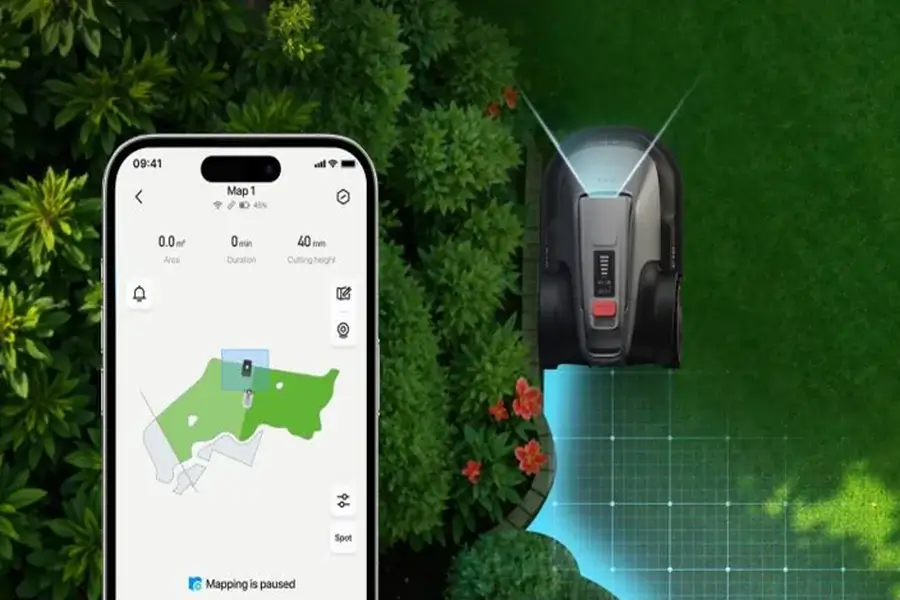
Mowing the lawn has long been a staple of weekend chores, with push or ride-on mowers dominating backyards for decades. But as technology advances, homeowners are beginning to question whether traditional methods are worth the time and energy. Robot Lawn Mowers, equipped with smart navigation and automated features, are becoming a serious alternative. They not only promise a neat, uniform cut but also eliminate the manual effort.
So, when it comes to keeping your yard pristine, how do robot mowers compare to their traditional counterparts?
Comparing Modern Robot Mowers to Traditional Machines
Let’s break down the biggest differences to see which option really comes out on top.
Ease of Use
Traditional mowers require pushing, guiding, or driving, which takes time and effort. Robot lawn mowers operate hands-free, automatically mapping and covering your yard without intervention. For example, the eufy E15 uses one-click auto mapping to create a mowing plan in minutes. Once set up, you can relax while the mower quietly gets the job done. In terms of convenience, automation clearly has the edge.
Cutting Precision and Coverage
Traditional mowers are effective but often leave uneven patches if not carefully guided. Robot mowers use advanced sensors and mapping technology to ensure consistent coverage. eufy’s ride-on-edge feature allows the mower to trim borders neatly, solving one of the most common problems with automated cutting. With intelligent coverage detection, robot mowers reduce the risk of missed spots, often resulting in a more uniform finish than manual mowing.
Time and Energy Investment
Mowing manually can take hours each week, particularly in larger yards. Robot mowers run independently, freeing up that time for more enjoyable activities. With scheduling features, you can set them to operate during the week, leaving weekends free. Compared to the sweat and fuel of traditional mowing, automated lawn care saves both time and energy.
Environmental Impact
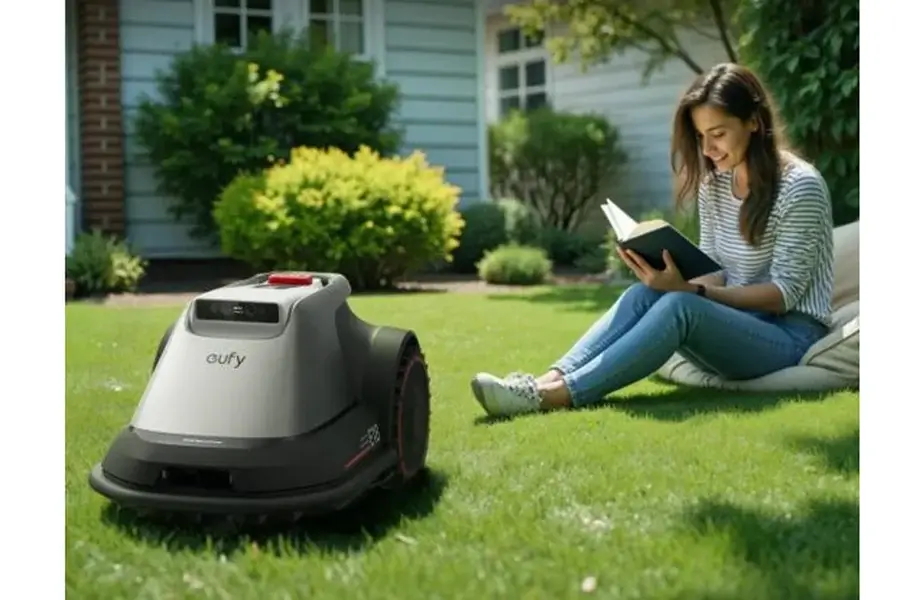
Gas-powered mowers contribute to noise and air pollution. Robot lawn mowers, on the other hand, are electric and eco-friendly, producing zero emissions. The eufy model runs at just 56 dB, quieter than a normal conversation, making it far more neighbor-friendly. Over time, choosing a robotic solution reduces your carbon footprint while keeping your lawn green in more ways than one.
Adaptability to Lawn Complexity
Traditional mowers rely entirely on human control to maneuver around flowerbeds, trees, or uneven ground. Robot mowers are equipped with 3D perception systems and smart navigation to detect obstacles, measure their size, and adjust routes accordingly. The eufy mower even manages slopes up to 18% and adapts mowing direction, cutting height, and speed through its app. For complex gardens, robots bring a level of precision that human error often can’t match.
Security and Reliability
Leaving a traditional mower in the shed requires no thought, but robot mowers are outdoor machines that need protection. Fortunately, advanced models integrate GPS tracking, 4G connectivity, and anti-theft systems for peace of mind. eufy’s mower also returns automatically to its base when rain starts or the battery runs low. This reliability means you don’t need to supervise—it simply works, rain or shine.
Conclusion
While traditional mowers have served homeowners for generations, the advantages of robot lawn mowers are hard to ignore. They save time, reduce effort, minimize environmental impact, and offer smarter precision with features designed for modern lifestyles. The addition of quiet operation, safety for pets, and theft protection makes them even more appealing.
So, if you enjoy the activity of mowing and want full manual control, traditional tools still have their place. But for those looking to reclaim weekends, maintain a healthy lawn effortlessly, and embrace eco-friendly technology, robot lawn mowers clearly come out on top.