

Natural stone has a reputation that few materials can rival. It is associated with permanence, craftsmanship, and a connection to the natural world that feels increasingly valuable in modern homes. While trends in interiors shift quickly, stone remains a constant, adapting to changing styles without losing its relevance. For homeowners weighing where to invest during a renovation or new build, natural stone often sits at the top of the wish list, admired for its beauty but questioned for its cost.
Understanding where natural stone is truly worth the investment is key. Not every surface needs it, and not every application benefits equally from its properties. When used thoughtfully, however, natural stone can elevate a home both aesthetically and functionally, aging gracefully and often adding long-term value that outlasts more affordable alternatives.
What Sets Natural Stone Apart
Unlike manufactured materials, natural stone is formed over thousands of years, shaped by geological processes that create variation impossible to replicate. Marble, limestone, granite, slate, and travertine each carry unique veining, color shifts, and textures. These natural inconsistencies are not flaws; they are what give stone its depth and individuality.
Stone also behaves differently from synthetic surfaces. It subtly reacts to light, temperature, and touch, grounding a space and adding sensory richness. While it requires care and understanding, this responsiveness is part of its appeal. Homes that incorporate stone thoughtfully tend to feel layered, tactile, and quietly luxurious rather than overtly showy.
Entryways and First Impressions
The entryway sets the tone for the entire home, making it one of the most compelling places to invest in natural stone. This is a high-traffic zone that benefits from durability as much as visual impact. Stone flooring or wall cladding in an entry offers both, standing up to daily wear while immediately communicating quality.
Stone performs well in this context because it handles dirt, moisture, and temperature fluctuations with ease when properly sealed. Visually, it creates a sense of arrival. Even modest homes can feel elevated with a stone threshold or floor, as the material lends weight and intention to the space.
In homes with open layouts, stone in the entry can also act as a subtle transition, grounding the architecture before it opens into lighter or softer materials elsewhere.
Kitchens: Where Beauty Meets Performance
Kitchens are often the heart of the home, and they are also one of the most demanding environments for materials. Natural stone earns its place here through a combination of resilience and character. Countertops are the most obvious application, but stone can also play a role in flooring, backsplashes, and architectural details.
Granite and quartzite are popular choices for countertops due to their hardness and resistance to heat. Marble, while softer, continues to be favored for its classic beauty and patina, especially in homes that embrace materials that age rather than remain pristine. The key is aligning expectations with reality. Marble will etch and mark, but for many homeowners, this evolving surface is part of its charm.
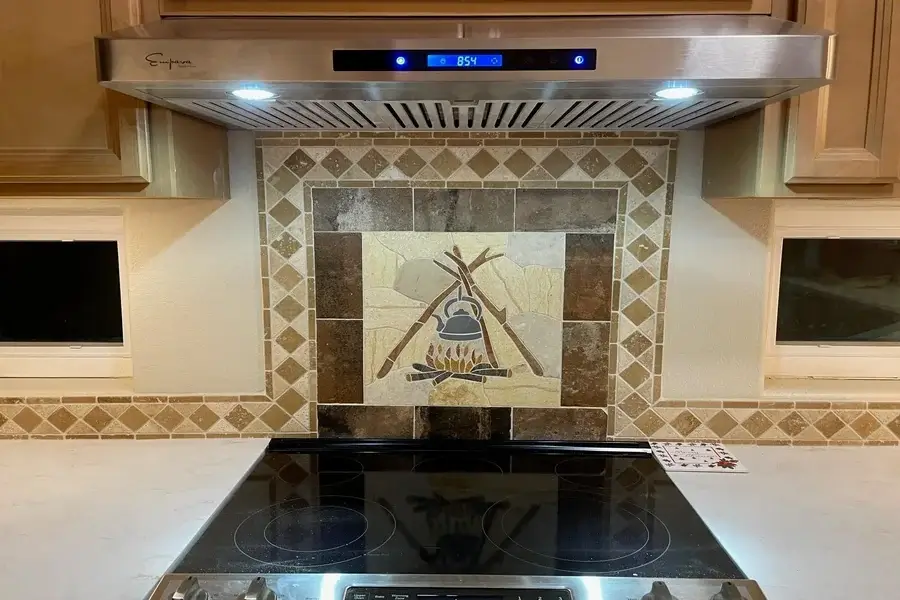
Stone backsplashes are another area where investment pays off. A mosaic backsplash crafted from stone adds texture and depth that flat surfaces struggle to achieve. It becomes a focal point without overwhelming the kitchen, especially when paired with simpler cabinetry and hardware.
Bathrooms as Stone Sanctuaries
Bathrooms can be considered the most transformative spaces for natural stone. Here, stone’s association with spas and wellness environments comes into play. The material’s inherent coolness, weight, and texture lend bathrooms a sense of calm and permanence.
Stone floors in bathrooms feel grounding underfoot and pair beautifully with softer elements like wood vanities and textiles. Walls clad in stone or detailed with natural stone mosaics introduce visual interest while maintaining a cohesive, organic palette.
Wet areas require careful selection and installation, but when done correctly, stone performs exceptionally well. Its resistance to moisture and ability to retain heat make it particularly suited to bathrooms designed for comfort and longevity.
Fireplaces and Architectural Features
Fireplaces are natural focal points, and stone has long been associated with them for both practical and aesthetic reasons. Beyond traditional hearths, stone is now used to create sculptural fireplace surrounds that anchor living spaces.
Whether rough-hewn or honed smooth, stone adds architectural presence. It draws the eye upward, emphasizes proportion, and creates a sense of solidity that lighter materials cannot replicate. In contemporary interiors, minimalist stone fireplaces often serve as quiet backdrops for modern furnishings, proving that stone can feel both timeless and current.
Other architectural features, such as columns, staircases, or built-in seating, also benefit from stone. These elements are not easily changed, making them ideal candidates for long-lasting materials that will not date quickly.
Flooring That Lasts Generations
Flooring is one of the most demanding applications in any home, making it a logical place to invest in durable materials. Natural stone floors can last for decades, even centuries, when properly installed and maintained.
Stone flooring works particularly well in areas with heavy foot traffic, such as hallways, kitchens, and living spaces. Its ability to withstand wear without losing character sets it apart from many alternatives. Over time, stone floors often become more beautiful, developing subtle patina rather than visible damage.
The thermal properties of stone also make it compatible with underfloor heating, enhancing comfort while maintaining visual restraint. This combination of performance and elegance is difficult to match.
Outdoor Spaces and Indoor Continuity
One of stone’s greatest strengths is its versatility across indoor and outdoor environments. Using the same or similar stone materials inside and out creates continuity, blurring the boundary between home and landscape.
Patios, terraces, and pool surrounds benefit from stone’s durability and natural slip resistance when appropriately finished. When these outdoor surfaces visually connect to interior floors or walls, the home feels larger and more cohesive.
This continuity is particularly effective in climates that encourage outdoor living. Stone’s ability to age naturally outdoors mirrors its performance indoors, reinforcing the sense that the home is part of its environment rather than separate from it.

Areas Where Stone May Not Be Worth It
While natural stone offers many advantages, it is not universally appropriate. Budget, maintenance expectations, and lifestyle all influence whether stone is the right choice for a given application.
In low-impact areas or spaces likely to be remodeled frequently, less expensive materials may be more practical. Similarly, households with limited time for maintenance may prefer engineered alternatives that mimic stone’s appearance with less care required.
Understanding these limitations does not diminish stone’s value; rather, it ensures that investments are targeted where they will have the greatest impact.
Maintenance and Longevity Considerations
Investing in natural stone also means understanding its care requirements. Most stone surfaces need sealing to protect against staining and moisture. Regular cleaning with appropriate products preserves the surface without causing damage.
This maintenance is often cited as a drawback, but it can also be viewed as part of stone’s relationship with the home. Unlike disposable materials, stone invites stewardship. With care, it rewards homeowners with longevity and character that few other surfaces can offer.
Over time, the cost of maintenance is often offset by the material’s lifespan. Stone rarely needs replacement, making it a sustainable choice when viewed through a long-term lens.
Stone and Sustainability
Natural stone is inherently sustainable in many respects. It is a natural material with minimal processing compared to synthetic surfaces. Its longevity reduces the need for replacement, and it can often be reused or repurposed.
Responsible sourcing is an important consideration. Locally quarried stone reduces transportation impact, and many suppliers now prioritize ethical extraction practices. Choosing stone thoughtfully aligns with a broader commitment to sustainability and mindful consumption.
Balancing Stone With Other Materials
The most successful interiors rarely rely on a single material. Natural stone is most effective when balanced with contrasting elements. Wood adds warmth, metal introduces refinement, and textiles soften the overall composition.
This balance prevents stone from feeling heavy or overwhelming. Instead, it becomes part of a layered material story, contributing depth without dominating the space. Understanding where stone should lead and where it should support is key to achieving a cohesive design.
A Material That Grows With the Home
Perhaps the greatest argument for investing in natural stone is how it changes over time. Unlike materials designed to look the same forever, stone changes subtly over time, reflecting the life lived around it. This evolution gives homes depth and authenticity.
In a world of fast finishes and disposable design, natural stone stands apart. It asks for commitment, but it gives back in longevity, character, and a sense of calm that cannot be manufactured. When chosen wisely and placed where it truly matters, natural stone is not just worth the investment; it becomes one of the most meaningful elements of the home.
Use the promotional code GVPR10 and get a 10% discount on all purchases made from Mozaico website!