
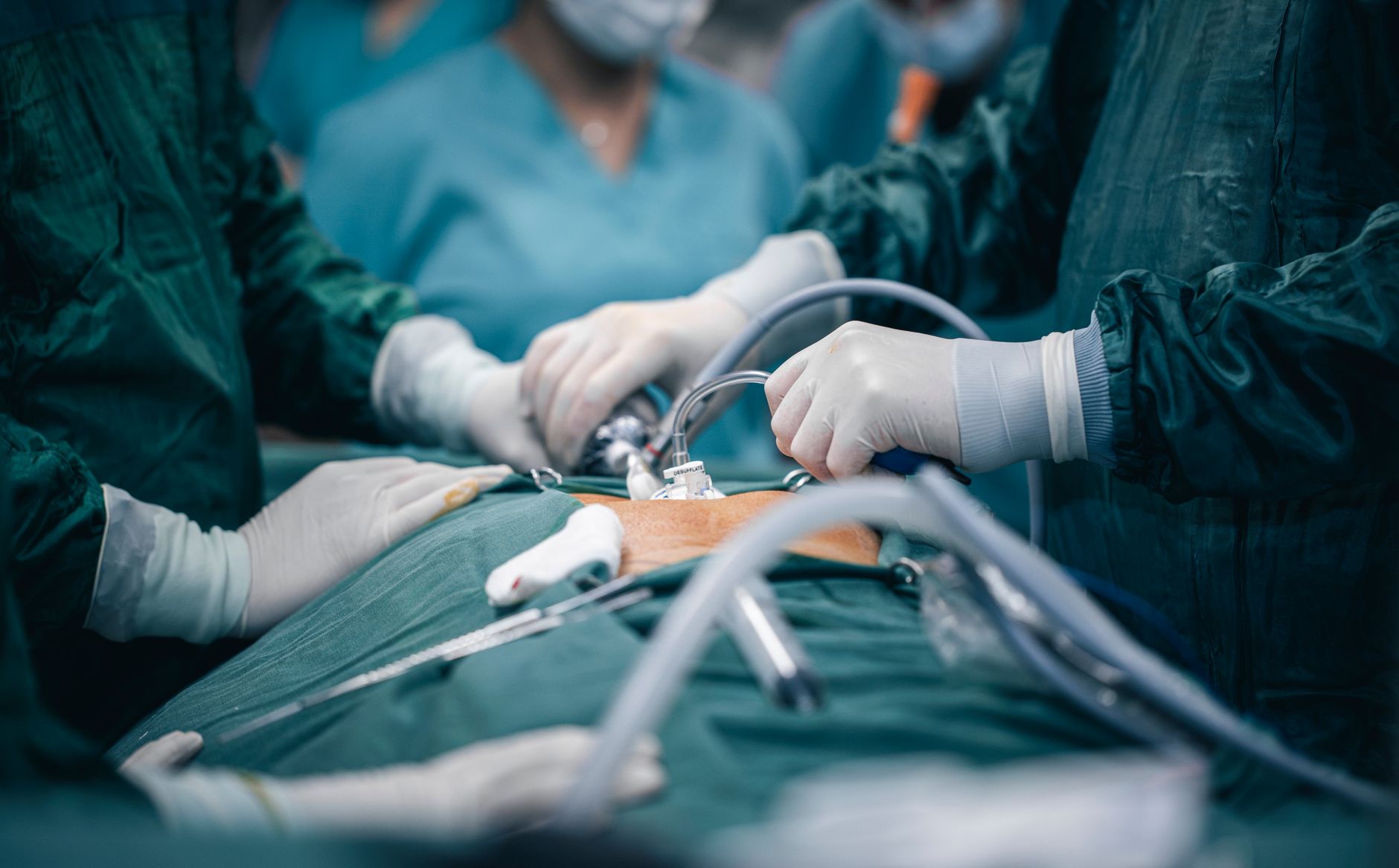
Laparoscopic gallbladder removal, also known as laparoscopic cholecystectomy, is a commonly performed procedure for people experiencing problems caused by gallstones or other gallbladder conditions. Unlike traditional open surgery, the laparoscopic approach uses several small incisions and a tiny camera to guide the surgeon in removing the gallbladder.
For those researching gallbladder removal Singapore, understanding how the procedure is performed, what to expect before and during surgery, and how recovery may progress can help you make informed decisions about your treatment. You can also learn more about gallstones and related symptoms here https://alpinesurgical.sg/a-guide-to-gallbladder-treatment/.
When Is Gallbladder Removal Recommended?
Gallbladder removal may be recommended when gallstones or other gallbladder problems cause recurring symptoms or complications. One of the most common reasons is symptomatic gallstones, which can cause sudden or persistent pain in the upper right or upper middle part of the abdomen, often after eating. Surgery may also be considered when gallstones lead to complications such as acute cholecystitis, inflammation of the gallbladder, or blockage of the bile ducts.
However, not everyone with gallstones requires surgery. People who have gallstones without symptoms may sometimes be monitored instead. The decision to proceed with laparoscopic cholecystectomy depends on factors such as the patient's symptoms, test results, overall health and risk of future complications.
How Does Laparoscopic Gallbladder Removal Work?
Laparoscopic gallbladder removal is performed under general anaesthesia, so you will be asleep throughout the procedure. The surgeon typically makes several small incisions in the abdomen rather than one larger incision. Carbon dioxide gas is introduced into the abdominal cavity to create space for the operation.
A laparoscope, which is a thin instrument with a small camera, is inserted through one of the incisions, allowing the surgeon to view the gallbladder and surrounding structures on a monitor. Special surgical instruments are then inserted through the other incisions to carefully separate the gallbladder from the liver and bile ducts before removing it through one of the small openings.
Before the gallbladder is removed, the surgeon identifies and carefully divides the cystic duct and blood vessels supplying the gallbladder. The gallbladder is then detached from the liver and taken out. The small incisions are subsequently closed, often with dissolvable stitches. In some situations, additional imaging or assessment of the bile ducts may be performed during surgery. Although laparoscopic surgery generally involves smaller wounds than open surgery, the exact approach can vary depending on the patient's anatomy, previous abdominal surgery, inflammation and other findings during the procedure.
What Happens Before Gallbladder Removal Surgery?
Before laparoscopic gallbladder removal, your surgeon will assess your symptoms, medical history and overall health to determine whether surgery is appropriate. This may involve a physical examination, blood tests and imaging, such as an ultrasound, to confirm the presence of gallstones or other gallbladder problems. In some cases, further investigations may be recommended, particularly if there is concern about stones in the bile duct or other complications.
Once surgery is planned, you will receive instructions on preparing for the procedure. This may include fasting for a specific period before surgery and discussing any medications or supplements you take, particularly those that can affect bleeding. Your surgeon will also explain the procedure, expected recovery and potential risks, giving you an opportunity to ask questions.
What Are The Benefits and Possible Risks?
Laparoscopic gallbladder removal is commonly used because it allows the surgeon to remove the gallbladder through several small incisions rather than one larger incision. Compared with traditional open surgery, this approach may offer a number of benefits for suitable patients.
Potential benefits of laparoscopic gallbladder removal include:
- Smaller incisions: The procedure typically involves several small abdominal incisions, resulting in smaller surgical wounds.
- Less postoperative discomfort: Smaller incisions may result in less pain after surgery compared with a larger open incision.
- Shorter recovery: Many patients can return to their usual activities sooner, although recovery varies depending on individual circumstances.
- Reduced risk of recurrent gallstone attacks: Removing the gallbladder eliminates the organ where gallstones form, reducing the likelihood of future gallbladder-related attacks.
These can vary depending on the patient's health, the severity of the gallbladder condition and findings during surgery.
Potential risks include:
- Bleeding: Bleeding can occur during or after the operation and may occasionally require further treatment.
- Infection: There is a risk of infection at the incision sites or within the abdomen.
- Bile leakage: Bile may leak from the bile ducts or the area where the gallbladder was removed.
- Injury to nearby structures: The bile ducts, blood vessels, intestine or other surrounding structures may rarely be injured during surgery.
- Anaesthetic complications: As the procedure is performed under general anaesthesia, there may be risks associated with anaesthesia.
- Conversion to open surgery: If severe inflammation, scarring, bleeding or unexpected findings make laparoscopic surgery unsuitable or unsafe, the surgeon may need to convert to an open procedure.
Recovery After Laparoscopic Gallbladder Removal
Recovery after laparoscopic gallbladder removal is generally quicker than recovery from traditional open surgery, although the exact timeline varies from person to person. After the procedure, you will be monitored while the effects of general anaesthesia wear off. Depending on your individual circumstances and the surgical centre's protocols, you may be able to return home on the same day or remain in hospital for observation.
For the first few days, it is common to experience some discomfort around the small incision sites. You may also experience bloating or pain around the shoulder area due to the carbon dioxide gas used during the operation. These symptoms usually improve as your body recovers. Your surgeon will provide instructions on wound care, pain relief, diet and physical activity.
Conclusion
Laparoscopic gallbladder removal is a commonly used surgical treatment for people with symptomatic gallstones and certain gallbladder conditions. The procedure uses small incisions and a camera to remove the gallbladder, and many patients can return to their normal activities after a period of recovery.
However, the decision to undergo surgery should be based on your symptoms, diagnosis, overall health and individual circumstances. If you would like to discuss your symptoms or treatment options, you can arrange a consultation to learn more about gallbladder removal Singapore with our specialist here:
Alpine Surgical Practice – Dr Aaron Poh | Colonoscopy | Gallstones Removal Singapore
(Mount Elizabeth)
3 Mount Elizabeth, #14-06 Medical Centre, Singapore 228510
(Parkway East)
319 Joo Chiat Place #04-07 Parkway East Medical Centre, 427989
Phone: +65 6322 7323
WhatsApp: +65 8875 0080