
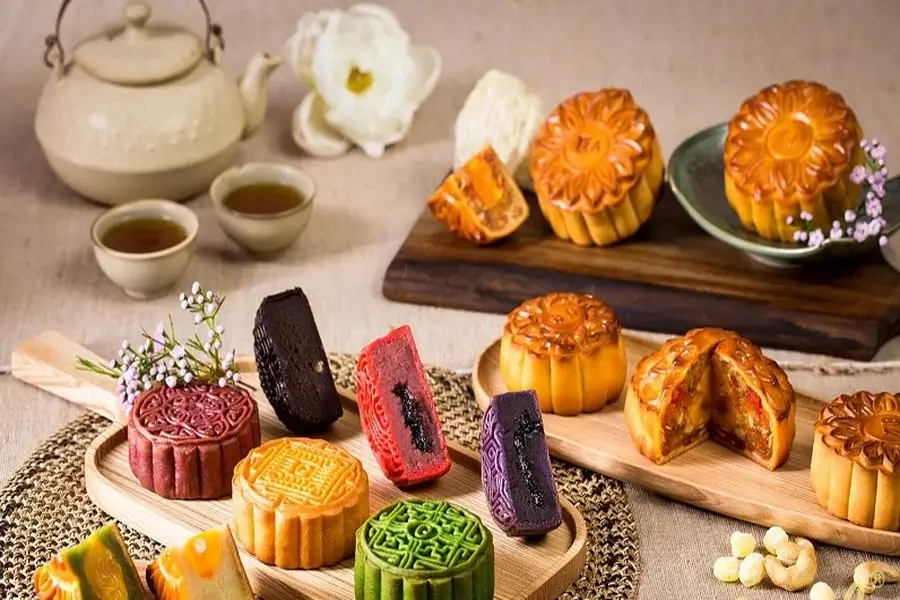
A mooncake is a round pastry that people enjoy during the Mid-Autumn Festival. It is often filled with lotus seed paste, red bean paste, or salted egg yolk. More than just food, a mooncake is also a symbol of reunion and tradition, passed down for generations.
Today, many bakeries produce mooncakes in factories, but small-batch bakeries still preserve the art of handcrafting. Their process is slower, but every piece carries more care and meaning. This makes handmade mooncakes special, not only for their taste but also for their story.
When you walk into a small-batch bakery, you can see bakers rolling dough, shaping fillings, and pressing patterns by hand. Each step shows dedication and patience. The result is a festive treat that connects people with culture, family, and the beauty of tradition.
The Art of Handcrafting Mooncakes
Making traditional mooncakes by hand is a delicate process that requires patience, skill, and love for the craft. Unlike machine-made versions, every handmade piece carries small variations, giving it character and authenticity. Bakers in small-batch kitchens take their time to prepare each component with precision, ensuring every bite feels special.
Handcrafting also means preserving recipes passed down through generations. Many bakers still follow age-old techniques, from kneading the dough with care to shaping each mooncake with carved wooden molds. This dedication to tradition sets small-batch bakeries apart in a world where speed often supplants artistry.
Ingredients That Tell a Story
Every mooncake begins with simple ingredients, but the quality of those ingredients makes all the difference. Small-batch bakeries usually choose premium flour, rich lotus seed paste, salted egg yolks, and pure oils. These choices reflect their commitment to quality and taste.
The fillings are often made in-house. Lotus seed paste, for example, is slow-cooked until smooth and fragrant. Salted egg yolks are carefully selected and baked separately to enhance their golden color and rich flavor. Even nuts and seeds are roasted freshly, ensuring that no detail is overlooked, just like the careful methods followed by Bread Garden in their traditional moomcake bakes.
Common fillings include:
- Classic lotus seed paste with salted egg yolk
- Red bean paste for a mild sweetness
- Mixed nuts for texture and crunch
- Black sesame paste for a nutty aroma
Each filling adds its personality, allowing families to choose their favorites while still sharing the festive spirit.
The Step-by-Step Craft of Small-Batch Baking
The process of making mooncakes by hand involves several careful steps. Small-batch bakeries focus on quality, not quantity, which is why each stage is done slowly and thoughtfully.
Step 1: Preparing the Dough
Traditional mooncakes start with dough. The dough is usually made from flour, golden syrup, lye water, and oil. Each ingredient has a purpose.
Key Features:
- Flour gives structure.
- Syrup adds sweetness and color.
- Lye water balances acidity and creates the rich golden-brown skin.
- Oil makes the crust soft and tender.
The baker mixes the dough by hand until smooth. Then it is left to rest. Resting is important because it allows the dough to relax, making it easier to shape later. In small bakeries, this step is never rushed. The bakers wait until the dough feels just right.
Step 2: Preparing the Filling
The filling is the heart of the mooncake. Traditional flavors include lotus seed paste, red bean paste, jujube paste, and mixed nuts. In southern China, salted egg yolks are often added to represent the bright full moon.
Making lotus seed paste is time-consuming. The seeds must be soaked, peeled, and boiled. Then they are ground into a paste and slowly cooked with sugar and oil. The paste must be smooth, fragrant, and shiny.
Red bean paste follows a similar process. Beans are soaked, cooked, mashed, and sweetened. Nut fillings require chopping, roasting, and mixing with syrup. Every step takes time, and small-batch bakers do it by hand to ensure flavor and texture.
When salted egg yolks are used, they are carefully cleaned, sometimes soaked in rice wine, and baked until aromatic. Each yolk is then placed in the center of the filling like a golden treasure.
Step 3: Weighing and Wrapping
Consistency is key. Each mooncake must be the same size. Bakers weigh the dough and filling carefully. For example, in a 150-gram mooncake, about 30 grams might be dough and 120 grams filling.
The filling is shaped into a ball. The dough is flattened into a thin circle. The baker wraps the dough around the filling, making sure no cracks appear. This part requires skill and patience. The dough must be even, not too thick or too thin. If it tears, the filling may leak out during baking.
Step 4: Molding the Mooncake
This is the most iconic step. The filled dough ball is placed into a wooden or plastic mold. The mold is pressed firmly to create a design on the surface. Traditional patterns include flowers, characters for “longevity,” “harmony,” or the bakery’s signature mark.
In small-batch bakeries, wooden molds are often still used. These molds are carved by hand and passed down through generations. Each press creates a mooncake that is not only food, but also a piece of art.
Step 5: Baking with Care
The shaped mooncakes are placed on trays and brushed with egg wash. This gives them a shiny golden color after baking. They are baked in ovens at carefully controlled temperatures. Halfway through, bakers take them out and brush them again with more egg wash for an even finish.
Baking mooncakes is tricky. Too much heat and the crust cracks. Too little and the dough stays pale. Experienced bakers know by sight and smell when a mooncake is ready. They adjust the baking time depending on the humidity, the oven, and even the weather.
Step 6: Resting and Packaging
Freshly baked mooncakes are not eaten immediately. They need time to “sit.” This resting period, usually one to two days, allows the oil in the filling and dough to blend. The crust softens, and the flavor deepens. Small-batch bakeries store them carefully, checking each one for quality.
Packaging is often simple and elegant. Unlike factory-made mooncakes with flashy boxes, handmade mooncakes are wrapped in paper or placed in small boxes. The focus is on the taste, not the decoration.
Why Small-Batch Bakeries Keep the Tradition Alive
Small-batch bakeries are not just businesses; they are guardians of cultural heritage. They choose authenticity over mass production and pride themselves on keeping traditions alive. Customers who buy from these bakers often feel a personal connection, knowing their mooncakes were shaped and baked with real human touch.
These bakeries also focus on sustainability and freshness. Since production is limited, ingredients are often sourced locally and used in smaller quantities. This minimizes waste and supports community farmers.
Benefits of small-batch mooncakes include:
- Authentic taste rooted in tradition
- Handmade quality with unique details
- Fresher ingredients and better flavors
- Stronger connection between baker and customer
A Festival Treat Worth Preserving
The Mid-Autumn Festival is more than lanterns and gatherings; it is about cherishing timeless traditions. Handmade mooncakes remind us of the value of craftsmanship, patience, and cultural pride. Small-batch bakeries prove that even in a modern world, there is space for heritage and authenticity.
Choosing the best handmade mooncake in Singapore for the Mid-Autumn Festival is more than enjoying a festive dessert. It is also a way of supporting artisans who dedicate themselves to preserving a culinary art form. With each bite, we connect not only to our loved ones but also to generations of history.
Conclusion
Handmade mooncakes from small-batch bakeries are treasures that go beyond taste. They are symbols of love, tradition, and dedication. The careful choice of ingredients, the artistry in shaping, and the passion of the bakers all come together to create something truly special.
This Mid-Autumn Festival, when you take a bite of a handmade mooncake, pause for a moment. Appreciate the skill and history behind it, and let it remind you of the beauty of traditions worth keeping.