
Tooth loss impacts more than your smile—it can affect jaw function, bite alignment, and overall oral health. With 120 million Americans missing at least one tooth, addressing tooth loss promptly is crucial to prevent serious complications.
How Tooth Loss Affects Your Bite
Your bite represents the way your upper and lower teeth come together when you close your mouth. In a healthy mouth, teeth are positioned to distribute chewing forces evenly across all surfaces, creating what dentists call “occlusal harmony.” Each tooth supports its neighbors and works together as part of a coordinated system.
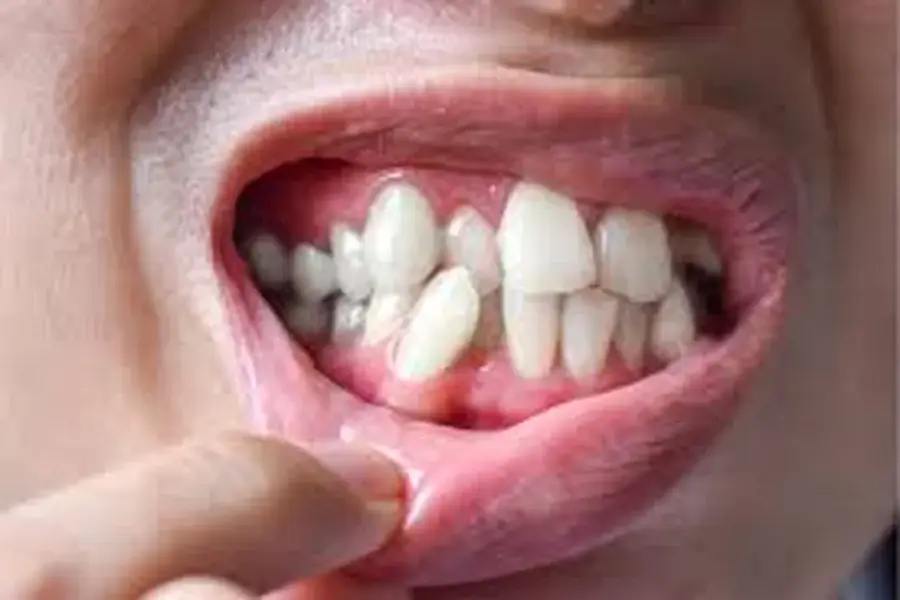
When a tooth is lost, this carefully balanced system becomes disrupted. The remaining teeth begin to shift into the empty space, a process that can happen gradually over months or years. Adjacent teeth may tilt toward the gap, while the tooth directly opposite the missing one can over-erupt, extending further out of the gum line as it loses its natural stopping point.
This shifting creates what’s known as malocclusion, or a “bad bite.” Your teeth no longer meet properly when you chew or speak, forcing certain teeth to bear more pressure than they were designed to handle. Some teeth may now hit first when you bite down, while others may not make contact at all.
The ripple effects extend throughout your mouth. Teeth that were once perfectly aligned may become crooked or develop gaps. Your bite pattern changes, affecting how you chew food and potentially leading to digestive issues if you can’t break down food properly. Even your speech may be affected, particularly if front teeth are involved. To support overall oral health during such changes, you can explore products on Amazon.com that help maintain a balanced oral environment.
Impact on Jaw Alignment
Your jawbone, or alveolar bone, requires constant stimulation from tooth roots to maintain its density and shape. When a tooth is lost, the bone in that area no longer receives this stimulation and begins to resorb, or shrink away. This process can reduce bone height and width by up to 25% within the first year after tooth loss.
As the jawbone changes shape, it affects the positioning of your entire jaw structure. The temporomandibular joint (TMJ), which connects your lower jaw to your skull, must adapt to these changes. This adaptation often leads to altered jaw positioning and movement patterns that can strain the joint and surrounding muscles.
The muscles responsible for chewing and jaw movement also adapt to compensate for missing teeth. Some muscles may work harder to help you chew effectively, while others may become underused and weaken over time. This muscular imbalance can pull your jaw out of its natural alignment, creating tension and discomfort that extends beyond your mouth.
Facial support also changes when multiple teeth are lost. Your teeth and jawbone provide structure that supports your cheeks and lips. As bone resorbs and facial height decreases, you may notice changes in your facial appearance, including a more sunken look around the mouth and deeper wrinkles around the lips.
Consequences of Misalignment
The effects of altered bite and jaw alignment extend far beyond cosmetic concerns. Many patients develop temporomandibular joint disorder (TMD), which can cause jaw pain, clicking or popping sounds when opening the mouth, and difficulty chewing or speaking. Some people experience locked jaw episodes where the mouth won’t open or close properly.
Chronic headaches often develop as jaw muscles strain to compensate for misalignment. These tension headaches typically occur in the temples, behind the eyes, or at the base of the skull. The constant muscle tension can also lead to neck and shoulder pain, creating a cascade of discomfort throughout the upper body.
Remaining teeth face increased stress and are more likely to develop problems. Teeth that now bear excessive chewing forces may crack, chip, or develop cavities more easily. The altered bite can also contribute to teeth grinding (bruxism), which further wears down tooth surfaces and can damage dental work like fillings or crowns.
Digestive issues may arise when you can’t chew food thoroughly. Poor chewing can lead to larger food particles entering the digestive system, potentially causing stomach upset, acid reflux, or nutrient absorption problems. Many people unconsciously change their diet to include softer foods, which may not provide optimal nutrition.
Treatment Options
Modern dentistry offers several effective solutions for replacing missing teeth and restoring proper bite alignment. The best option depends on factors including the number of missing teeth, bone density, overall oral health, and personal preferences.
Dental Implants represent the gold standard for tooth replacement. These titanium posts are surgically placed into the jawbone, where they fuse with the bone tissue to create artificial tooth roots. Implants preserve jawbone density, maintain facial structure, and function like natural teeth. They can support individual crowns, bridges, or even full arch restorations.
Fixed Bridges connect replacement teeth to adjacent natural teeth or implants. Traditional bridges require reshaping healthy adjacent teeth to serve as anchors, while implant-supported bridges preserve natural tooth structure. Bridges restore chewing function and prevent remaining teeth from shifting.
Partial and Complete Dentures offer removable solutions for multiple missing teeth. While traditional dentures rest on the gums and may shift during eating or speaking, implant-supported dentures provide greater stability and comfort. Modern denture materials and techniques have significantly improved fit and appearance compared to older versions.
Orthodontic Treatment may be recommended to correct tooth positions before or after tooth replacement. Braces or clear aligners can move shifted teeth back into proper alignment, creating ideal conditions for restorations and improving overall bite function.
Some patients may also benefit from cosmetic treatments like veneers, like those in San Jose, CA, to enhance the appearance and function of remaining natural teeth as part of a comprehensive treatment plan.
Frequently Asked Questions
How quickly do teeth shift after tooth loss?
Tooth movement can begin within weeks of tooth loss, but significant changes typically occur over several months to years. The rate varies based on factors like age, bone density, and the location of the missing tooth.
Can I prevent bite changes if I’m not ready for tooth replacement?
While no temporary measure fully prevents shifting, maintaining excellent oral hygiene and regular dental visits can help monitor changes. However, prompt treatment provides the best outcomes for preserving bite alignment.
Will tooth replacement completely restore my original bite?
Modern tooth replacement options can restore excellent function and appearance, though the process may require adjustments to achieve optimal results. Working with an experienced dentist ensures the best possible outcome for your specific situation.
Conclusion
Keeping your natural teeth is important for proper bite and jaw alignment. Regular dental checkups and good hygiene can help prevent tooth loss, but if it happens, quick treatment is crucial. Modern replacement options can restore function and confidence, so consult your dentist to find the best solution.