
Growing older doesn’t necessarily mean leaving the comfort of your beloved home. With thoughtful design choices and strategic furniture selection, you can create a living space that adapts to changing needs while maintaining style and comfort. You know what they say – there’s no place like home, especially one that grows with you through the years.
Understanding Aging in Place
Aging in place simply means being able to live in one’s home safely and independently regardless of age or ability level. It’s about creating environments that support evolving needs without sacrificing personal style or comfort.
I find that many clients initially resist modifications because they fear their homes will look “institutional.” Nothing could be further from the truth! Modern solutions blend seamlessly with beautiful interiors, proving that function and fashion can coexist beautifully.
Smart Space Planning
The foundation of any successful aging-in-place design begins with thoughtful space planning. Consider these key elements:
Open Floor Plans
Remove unnecessary walls to create wider pathways—at least 36 inches for regular paths and 42 inches for main routes. This simple change dramatically improves mobility and reduces fall risks.
Multi-level Considerations
If possible, create a complete living area on the main floor including a bedroom, bathroom, kitchen, and laundry. When that’s not feasible, stair lifts or residential elevators might be worth investigating. Sure, they’re an investment, but cheaper than moving or nursing care.
Future-Proof Bathrooms
Bathrooms deserve special attention since they present the highest fall risk. Install grab bars (they come in stylish designs now!), curbless showers, and comfort-height toilets. By the way, many manufacturers now offer beautiful fixtures specifically designed for accessibility that look like high-end standard fixtures.
Furniture Selection: Comfort Meets Functionality
Seating Solutions
Look for chairs and sofas with:
- Seat heights between 18-20 inches
- Firm cushions that don’t “sink”
- Sturdy arms that extend to the front edge for leverage when standing
- Upholstery that’s easy to clean and maintains temperature comfort
In my experience, power recliners have been game-changers for many clients. They provide the perfect balance of comfort and functionality, allowing easy position changes without strain.
Bedroom Basics
Select beds with appropriate heights—neither too high nor too low—ideally between 21-23 inches including the mattress. Adjustable bases can be life-changing for those with back issues or circulation concerns.
Nightstands should be sturdy enough to bear weight if needed for support when getting in or out of bed. Include drawer storage to reduce clutter that could become hazardous.
Kitchen Considerations
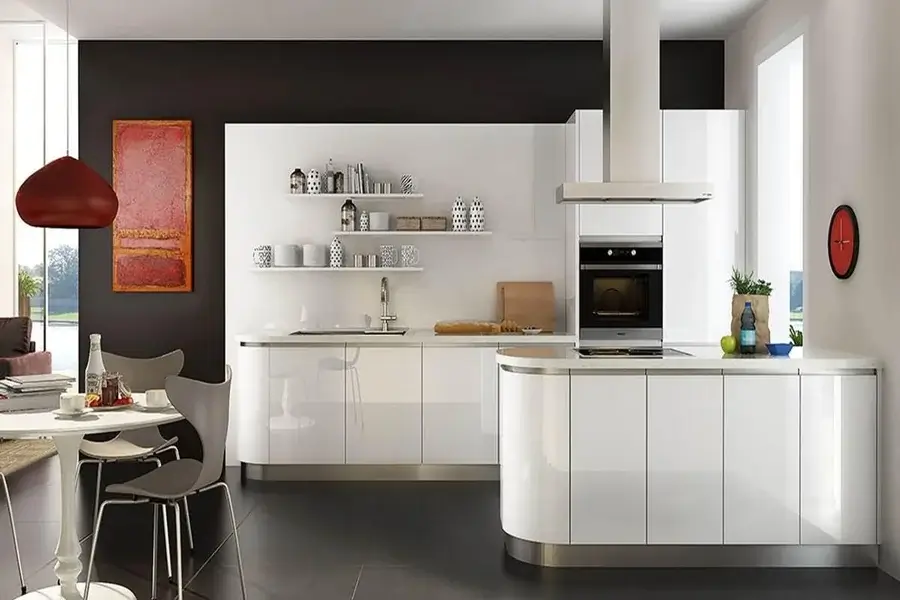
The kitchen offers numerous opportunities for aging-in-place modifications. OPPEIN, one of the leading cabinet manufacturers, offers excellent solutions for accessible kitchens, including pull-down shelving systems and variable-height countertops that accommodate both standing and seated use.
Consider these kitchen must-haves:
- Pull-out drawers rather than deep cabinets
- Touch-activated faucets
- Anti-fatigue flooring
- Task lighting under cabinets
- Contrasting colors between countertops and flooring to improve depth perception
Lighting: The Unsung Hero
Proper lighting might be the most overlooked aspect of aging-in-place design. As we age, our eyes need about three times more light than when we were younger. Layered lighting is crucial—combine ambient, task, and accent lighting throughout the home.
Smart lighting systems that can be controlled via voice or smartphone eliminate the need to navigate dark rooms to reach switches. Motion-sensor night lights in hallways, bathrooms, and the kitchen provide safety without disturbing sleep.
Flooring Choices: Safety First
Hard, slippery surfaces become increasingly dangerous with age. Some smart flooring options include:
- Low-pile carpeting (avoid high pile which can catch walkers or canes)
- Luxury vinyl planks with wood-look finishes
- Cork flooring, which provides cushioning if falls occur
- Slip-resistant tile in bathrooms
The furniture district in Foshan furniture showrooms showcases many innovative flooring solutions that combine safety features with beautiful aesthetic options—proving that safe doesn’t have to mean boring or clinical.
Technology Integration
Smart home features can significantly enhance independent living:
- Voice-activated systems to control lighting, temperature, and entertainment
- Security systems with remote monitoring capabilities
- Medication reminders and dispensers
- Fall detection systems
Heck, I never thought I’d recommend so much tech to my older clients, but these solutions have become increasingly user-friendly and genuinely helpful.
Storage and Organization
Clutter isn’t just unsightly—it’s dangerous. Incorporate plenty of accessible storage solutions:
- Pull-out pantry systems
- Drawer organizers
- Closet systems with adjustable components
- Built-in cabinetry with various height options
The Personal Touch
Remember that aging in place isn’t just about safety—it’s about creating spaces where someone wants to live. Include elements that bring joy: comfortable reading nooks, space for hobbies, areas to display treasured collections, and room for entertaining loved ones.
A client once told me that the most important aspect of her aging-in-place renovation wasn’t the grab bars or wider doorways—it was ensuring she still had a beautiful space to host weekly card games with friends. That’s what it’s all about, right? Continuing to live fully in a space that supports changing needs.
Final Thoughts
Furnishing for aging in place requires thoughtful planning but doesn’t demand sacrificing style or comfort. The best designs incorporate accessibility features so seamlessly that they enhance the home for everyone who visits—a concept known as “universal design.”
Start with small changes if needed, but plan with the long view in mind. The investment in thoughtful furniture selection and home modifications almost always pays dividends in extended independence and quality of life.
After all, there’s something profoundly comforting about growing older in the spaces that hold our memories and tell our stories.