
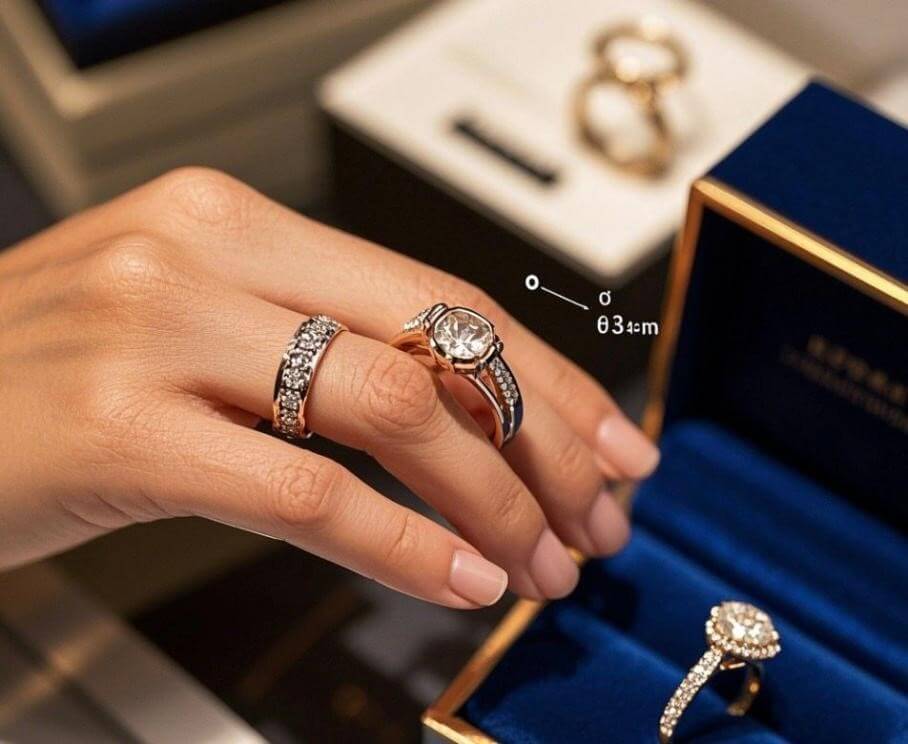
Choosing a wedding ring is one of the most meaningful decisions in the entire wedding journey. Unlike many other wedding items that are used for only one day, a ring is designed to be worn every day for years or even decades. Comfort, durability, and personal style all matter just as much as appearance. With so many metals, designs, and price points available, the process can feel overwhelming at first. A clear, practical approach helps narrow down the options and makes the experience far more enjoyable. By understanding the key factors that influence this decision, couples can feel confident and prepared, and in this article, each step is explained in a simple and practical way.
1. Set Your Budget
Decide What You Can Comfortably Spend
Setting a realistic budget is the first step toward choosing a wedding ring without unnecessary stress. A higher price does not automatically mean a better ring, especially when daily comfort and long-term wear are the main priorities. Looking at monthly expenses, savings goals, and other wedding costs helps determine a number that feels manageable. This prevents emotional overspending in a jewelry store where beautiful options can easily influence decisions. It is also helpful to remember that wedding rings come in a wide range of prices, from simple bands to intricate custom designs. Staying within a comfortable budget ensures the ring remains a symbol of commitment rather than financial pressure.
Balance Cost Between Ring and Other Wedding Expenses
Wedding budgets often include venues, photography, attire, and catering, which can quickly add up. Allocating too much money to rings may create limitations in other important areas of the celebration. A balanced approach ensures that no single item consumes an unreasonable portion of the total budget. Some couples choose matching simple bands now and upgrade later for an anniversary, which can ease financial strain. Others prioritize durability and timeless style over decorative details that increase cost. Viewing the ring as part of the overall wedding plan helps maintain financial harmony.
2. Pick a Metal and Material
Compare Gold, Platinum, and Modern Alternatives
Gold remains one of the most popular choices, available in yellow, white, and rose tones to suit different preferences. Platinum is valued for its strength, natural white color, and resistance to wear, though it usually comes at a higher price. Palladium offers a similar look to platinum but is lighter and sometimes more affordable. Modern options such as titanium, tungsten, and stainless steel are increasingly popular for their durability and contemporary appearance. Each material has a different weight, feel, and maintenance requirement that can affect everyday comfort. Comparing these factors side by side makes it easier to find a metal that matches both lifestyle and taste.
Choose Based on Durability and Your Skin Tone
Daily wear means a wedding ring will experience frequent contact with surfaces, water, and various environments. Harder metals like platinum and tungsten resist scratches better, while softer gold alloys may show wear over time. Skin tone can also influence how a metal looks when worn, as warm tones often complement yellow or rose gold, while cooler tones pair well with white metals. Allergies or skin sensitivities should be considered, especially with alloys that contain nickel. Trying on different metals in natural light provides a more accurate sense of how they appear on the hand. Practical durability and flattering color together create a ring that remains beautiful over time.
3. Choose a Style for Your Lifestyle
Select a Width and Shape That Feels Comfortable
Ring width affects both appearance and comfort, especially for people who are not used to wearing jewelry daily. Wider bands can feel more noticeable on the finger, while narrower bands often feel lighter and less intrusive. The inner shape of the band also matters, as comfort-fit designs have a rounded interior that reduces friction. Individuals with active jobs or hands-on hobbies may prefer slimmer, smoother bands that do not catch easily. Trying different widths while moving the hand naturally helps reveal what feels most comfortable. Long-term wear should guide the decision more than trends or dramatic designs.
Consider if You Want a Simple or Detailed Design
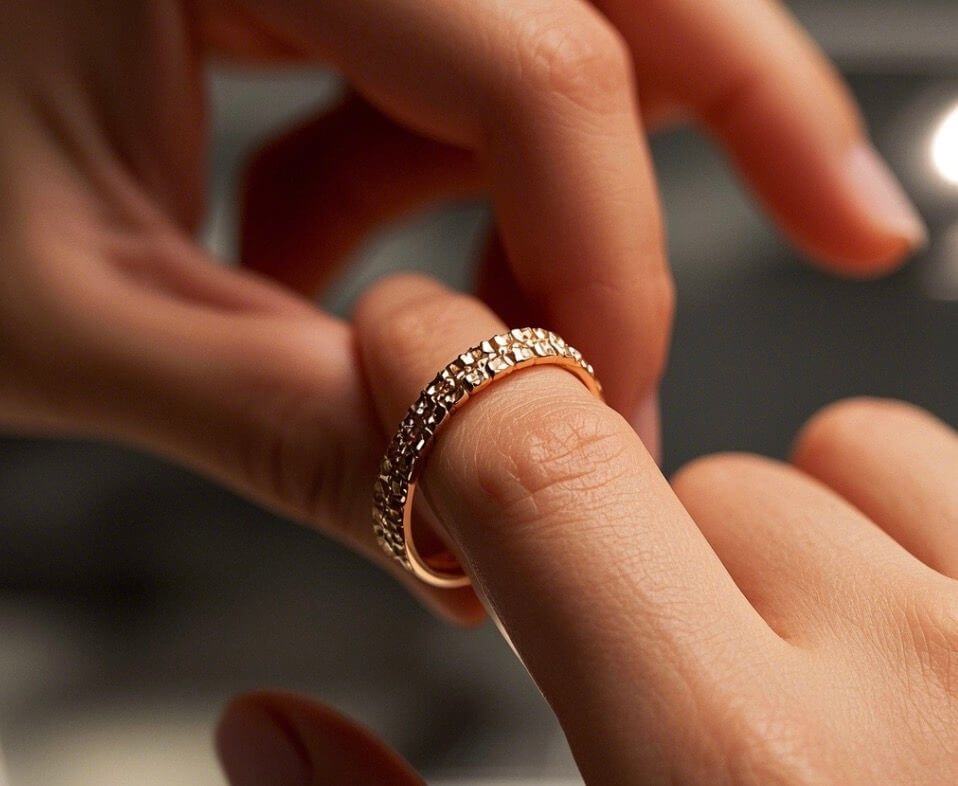
Simple bands offer a timeless look that pairs easily with other jewelry and rarely goes out of style. Detailed designs, such as engraved patterns or textured finishes, add personality but may require more maintenance. Raised settings or intricate edges can sometimes collect dirt and require regular cleaning. People who work with their hands frequently may prefer smoother designs that are less likely to snag. Matching the ring’s design to everyday activities ensures it remains both attractive and practical. A design that fits daily life will be worn with pride and comfort.
4. Get the Right Size and Fit
Measure Your Finger Professionally
Professional sizing at a jewelry store is the most reliable way to ensure a comfortable fit. Fingers naturally change size throughout the day depending on temperature, activity level, and hydration. Measuring at different times can provide a more accurate average size. A ring that is too tight can be uncomfortable, while one that is too loose may slip off unexpectedly. Jewelers use specialized tools to determine not only size but also how different band widths affect fit. Accurate sizing prevents costly resizing later and ensures the ring feels secure from the start.
Use a Virtual Try-On Tool to Preview Styles at Home
Virtual try-on technology allows shoppers to preview how different ring styles look without leaving home, which is particularly useful for comparing width, color, and design before visiting a store. Taking Tencent RTC’s “Virtual Ring Try-On” solution as an example, the platform utilizes its advanced real-time communication (RTC) and augmented reality (AR) technology to overlay photorealistic 3D ring models onto the user’s live hand view, delivering an immersive virtual try-on experience. This not only offers a convenient way for users to explore options and refine preferences, but also effectively reduces online shopping uncertainty and makes subsequent in-store visits more focused and efficient. Combining virtual previews with professional sizing services helps customers make more confident and assured final purchasing decisions.
5. Buy from a Trusted Seller
Research Jewelers with Good Reviews and Policies
Choosing a reputable jeweler is just as important as choosing the ring itself. Online reviews and ratings provide insight into customer experiences and service quality. Established jewelers often offer better craftsmanship, clearer certifications, and transparent pricing. Looking for detailed product descriptions and clear photos helps confirm quality standards. A trustworthy seller is more likely to stand behind the product if issues arise later. Careful research reduces the risk of disappointment and ensures a smooth buying process.
Ask About Warranty, Returns, and Resizing
Warranties protect against manufacturing defects and may include services like cleaning or polishing. Return policies are important in case the ring looks different in person than expected. Resizing options are especially valuable since finger size can change over time. Some metals are more difficult to resize, making it essential to ask questions before purchasing. Written policies provide reassurance and clarify what support is available after the sale. Understanding these details ensures long-term satisfaction with the purchase.
Conclusion
Choosing the perfect wedding ring involves balancing emotion with practical decision-making. Budget, material, design, fit, and seller reputation all play important roles in the final choice. Taking time to compare options and think about daily wear leads to a ring that remains comfortable and meaningful for years. Modern tools like virtual try-on technology make the process easier and more informed than ever before. A thoughtful approach transforms ring shopping from a stressful task into a rewarding experience. With careful planning and attention to detail, the final choice becomes a lasting symbol of commitment and personal style.