
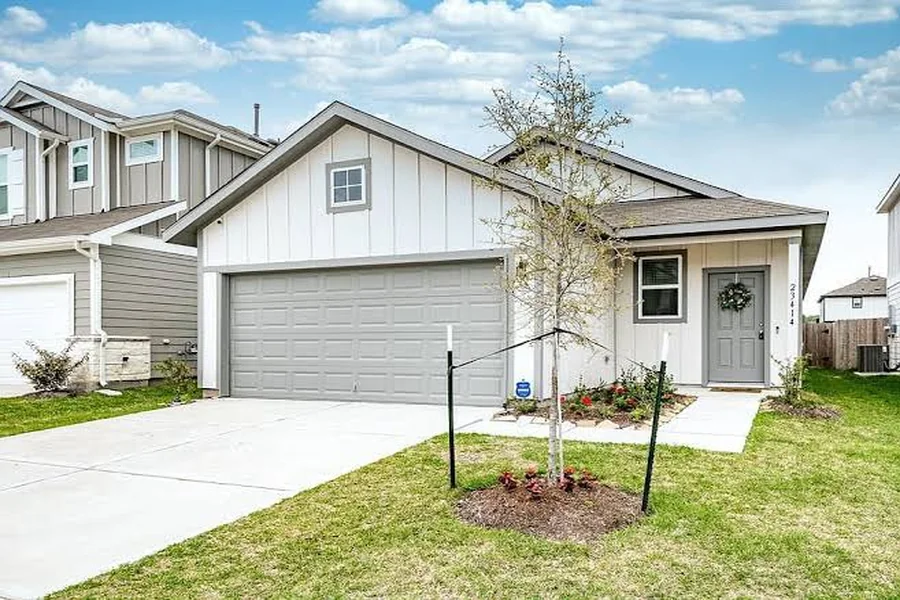
For many homeowners in Mission, Texas, selling quickly is about more than moving on a convenient date. A job relocation, inherited property, changing family needs, mounting repair bills, or a vacant home can make time a major concern. Owners considering cash for my house in Mission, TX should compare the complete outcome, including price, timing, repairs, fees, and contract protections.
Mission homes face the everyday realities of the Rio Grande Valley, including intense heat, heavy rain events, aging air-conditioning equipment, roof wear, drainage concerns, and deferred maintenance. Every property is different, but these factors can affect the amount of work needed before listing and the type of buyer likely to make an offer.
What Makes a Fast Home Sale Different in Mission?
A fast sale usually means the seller has a firm deadline or wants to reduce the work tied to owning the property. This can happen when a home is inherited, a landlord is ready to exit a rental, a property sits empty, or the owner needs to relocate elsewhere in the Valley or beyond.
Speed can be useful, but it should not replace planning. Before speaking with buyers, write down your ideal closing date, the amount owed on the property, and the minimum net amount you need after all deductions. Those three details create a practical starting point for comparing your choices.
Homeowners who want to understand a local direct-sale path can review the process described by www.housebuyersrgv.com, then compare it with other available options and their own timeline.
Three Common Ways to Sell a Mission Home
Most sellers choose one of three routes. A traditional listing places the home on the market through a real estate professional. A for-sale-by-owner transaction leaves pricing, marketing, showings, and negotiations to the owner. A direct sale involves reviewing an offer from an individual buyer or home-buying company.
No path is automatically best. The right fit depends on the home’s condition, how much preparation the seller can handle, whether there is a mortgage or other lien, and how much certainty is needed around the closing date.
When a Traditional Listing May Make Sense
A traditional listing can be a strong option for a move-in-ready Mission home when the owner has time to prepare, host showings, and negotiate with buyers. Broad exposure may create more interest, especially when the home presents well and is priced realistically.
Possible Benefits
- Access to buyers searching through the local real estate market.
- Professional assistance with pricing, photography, marketing, and negotiations.
- Potential for competing offers when buyer interest is strong.
- A chance to improve presentation through cleaning, minor updates, and curb appeal.
Possible Trade-Offs
- Repair, cleaning, staging, and landscaping costs may come before closing.
- Showings can disrupt daily life.
- Inspections may lead to repair requests or price negotiations.
- Buyer financing and appraisal issues can affect the timeline.
When a Direct Sale May Be a Better Fit
A direct sale may suit an owner who values convenience, wants to avoid extensive repairs, or needs a more defined timeline. It can be worth exploring for inherited homes, vacant properties, rentals, or houses with substantial maintenance needs.
Convenience still has a value that should be calculated, not assumed. Compare the written offer with the likely market value, estimated repair costs, commissions or seller concessions from a traditional sale, and the financial impact of closing sooner. Focus on your expected net proceeds rather than the headline number alone.
Which Repairs Are Worth Doing?
Basic cleanup and obvious safety issues may help nearly any sale. Major renovations deserve more caution, particularly when a homeowner needs to move quickly. A new project can require contractor scheduling, permits, inspections, and additional money without guaranteeing an equal increase in the final sale price.
Use This Quick Test
- Get a written estimate for the work.
- Ask whether the repair is necessary for safety, function, or buyer confidence.
- Consider how long the work will take.
- Compare the expense with the difference between your available selling options.
- Do not begin a large project until you have a clear sales plan.
How to Compare a Fast-Sale Offer
Reviewing an offer is easier when every option is measured against the same factors. Use a written list for each buyer or selling route:
- Net proceeds: Subtract loan payoff amounts, liens, taxes, agreed fees, repairs, and closing costs.
- Closing date: Confirm the exact proposed date and whether an extension is possible.
- Inspection terms: Identify whether the buyer can request a price reduction later.
- Earnest money: Review the amount, deposit deadline, and contract terms that apply if the buyer does not close.
- Assignment language: Determine whether the buyer can transfer the contract to another party.
- Proof of funds: Request reasonable evidence that the buyer can complete the purchase.
Texas Paperwork Sellers Should Review
A quick closing still requires organized paperwork. Gather your deed, mortgage payoff information, property tax statements, survey, title records, insurance information, repair invoices, warranties, homeowners association documents, and leases for occupied rentals.
Disclosure duties can depend on the transaction and property details. Texas sellers can review guidance about seller disclosure requirements from the Texas Real Estate Commission, which notes that the standard Seller’s Disclosure Notice is required in most residential transactions and encourages sellers with legal questions to consult a private attorney.
Warning Signs of a Risky Deal
Be cautious when someone pressures you to sign immediately, requests an upfront payment, avoids putting terms in writing, will not explain the buyer’s identity, or asks you to transfer title outside a documented closing. These concerns deserve a pause, not a rushed signature.
The Consumer Financial Protection Bureau identifies pressure to act immediately, upfront fees, and requests to sign over title as warning signs in foreclosure-relief scams. Use an established title company or closing professional, verify wire instructions by phone using a trusted number, and ask an attorney to review unusual contract language.
A Simple Timeline for Selling Quickly
- Day one: Set your target closing date and minimum acceptable net proceeds.
- Days two and three: Gather documents and request payoff information from your lender.
- Days four through seven: Compare repair estimates, market opinions, and written offers.
- Before signing: Review contingencies, fees, title details, and buyer obligations.
- Before closing: Read the settlement statement and confirm how the sale proceeds will be delivered.
Questions to Ask Before Choosing a Buyer
- Who is named as the buyer on the purchase contract?
- Will the buyer use cash, financing, or another funding source?
- Can the buyer assign the agreement?
- What fees or costs will be deducted from the purchase price?
- Can the price change after an inspection?
- Which title company will handle the closing?
- What happens if the buyer fails to close on time?
- Will you receive a complete written estimate of proceeds before closing?
Final Thoughts for Mission Homeowners
A successful fast sale in Mission, Texas, is not defined by speed alone. The best decision balances your financial result, property condition, workload, closing schedule, and confidence in the contract. Compare each path calmly, keep every promise in writing, and choose the option that supports your next step with fewer surprises.