
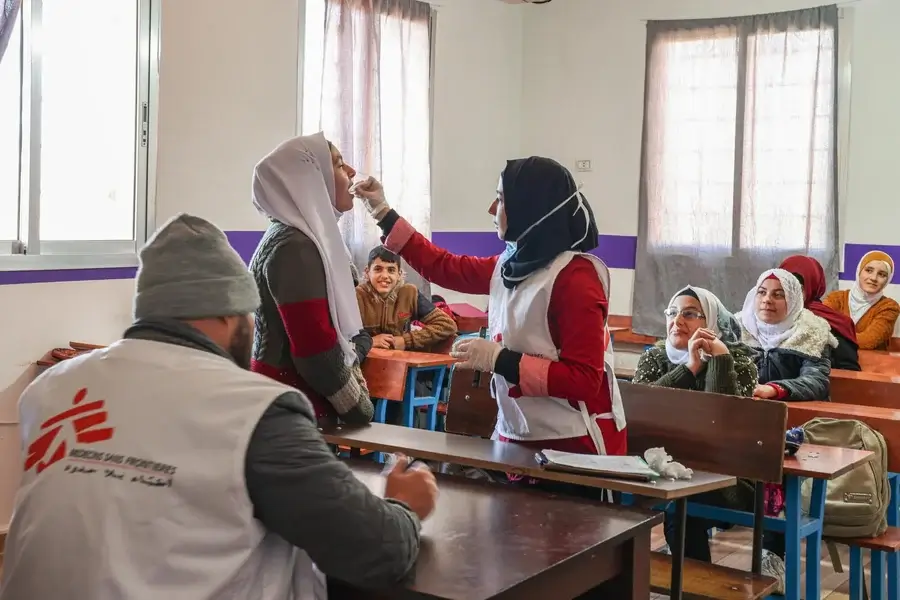
In the wide range of infectious conditions, scabies and cholera are unique but severe health conditions. Both are preventable and curable, but still, they infect millions of people worldwide especially in impoverished and densely populated areas. Let’s discuss these two conditions in depth to learn about their causes, symptoms, treatments, and preventive measures.
Scabies: The Itch That Spreads
What are Scabies?
Scabies is an extremely infectious skin infestation due to the Sarcoptes scabiei mite. These tiny parasites tunnel inside the skin and deposit eggs, leading to severe itching and rashes. It is transmitted by direct skin-to-skin contact and, less frequently, through shared sheets, clothing, or towels.
Symptoms of Scabies
Affected areas include:
- Between fingers
- Underarms
- Waistline
- Inner thighs
- Around the nipples or genitals
In infants and older adults, scabies can occur on the scalp, face, or palms and soles.
Causes and Transmission
Scabies is spread mostly by extended physical contact. It is often encountered in densely populated settings such as schools, nursing homes, prisons, and refugee centers. Although scabies is not indicative of poor hygiene, unclean living conditions can contribute to its distribution.
Diagnosis and Treatment
Diagnosis is clinical, by appearance and symptoms, but can be confirmed by examining skin scrapings under the microscope. Treatment is by prescribed topical creams such as permethrin or by oral medication such as ivermectin. It is important to treat all close contacts at the same time, even if they are not symptomatic, to prevent reinfestation.
Prevention Tips
- Avoid prolonged skin contact with infested individuals
- Wash bedding, clothing, and towels in hot water
- Vacuum carpets and upholstered furniture
- Practice proper personal hygiene and cleanliness in living quarters
Cholera: The Silent Killer in Contaminated Water
What is Cholera?
Cholera is a life-threatening bacterial infection of the intestine caused by Vibrio cholerae. Cholera is a serious issue in places with poor sanitation and poor access to clean drinking water.
Symptoms of Cholera
Cholera may be mild, moderate, or severe. In its most lethal manifestation, it produces:
- Watery diarrhea in large amounts (usually referred to as “rice-water” stools)
- Vomiting
- Dehydration that occurs very quickly
- Muscle cramps
- Low blood pressure
- Shock
- Unless promptly treated, cholera may kill within hours through loss of massive amounts of fluids.
Causes and Risk Factors
Primary causes are contaminated sources of water, inadequate sewage disposal, and poor hygiene. Outbreaks frequently follow natural disasters, occur in refugee camps, and also in populations lacking clean water systems.
High-risk individuals are:
- Those residing in rural or slum areas
- Visitors to endemic areas
- Those who are immunocompromised
- Those with the O blood type (who are likely to develop worse symptoms)
Diagnosis and Treatment
Cholera is diagnosed by stool examinations. In outbreak situations, treatment is initiated on the basis of symptoms because time is of the essence. Rehydration is the foundation of treatment oral or intravenous. In severe cases, antibiotics such as doxycycline or azithromycin can be given to decrease the length of illness.
Preventive Measures
- Consume only boiled water or bottled water
- Avoid raw or undercooked food
- Maintain good hand hygiene
- Use safe sewage disposal
- Oral cholera vaccines are widely available and are to be recommended for travelers to high-risk regions
A Shared Struggle: Public Health and Awareness
While scabies and cholera infect the body in a different manner, both illnesses are based on public health issues such as overpopulation, poor sanitation, and ignorance. Their lingering presence in some areas of the world is less related to the illnesses themselves and more related to systemic failures that slow down diagnosis and treatment.
Efforts to mitigate the effects of scabies and cholera have to extend beyond the treatment of medicine. Education, community mobilization, clean water, and increased healthcare infrastructure are important elements in disrupting the chain of infection.
Final Thoughts:
Scabies and cholera may differ in method of transmission or effect on the body, but both are reminders of the value of hygiene, healthcare access, and preventive public health measures. In an interconnected world, disease anywhere threatens everyone everywhere. We can fight these old, but very surmountable, enemies through awareness, early treatment, and cooperation from the community.