
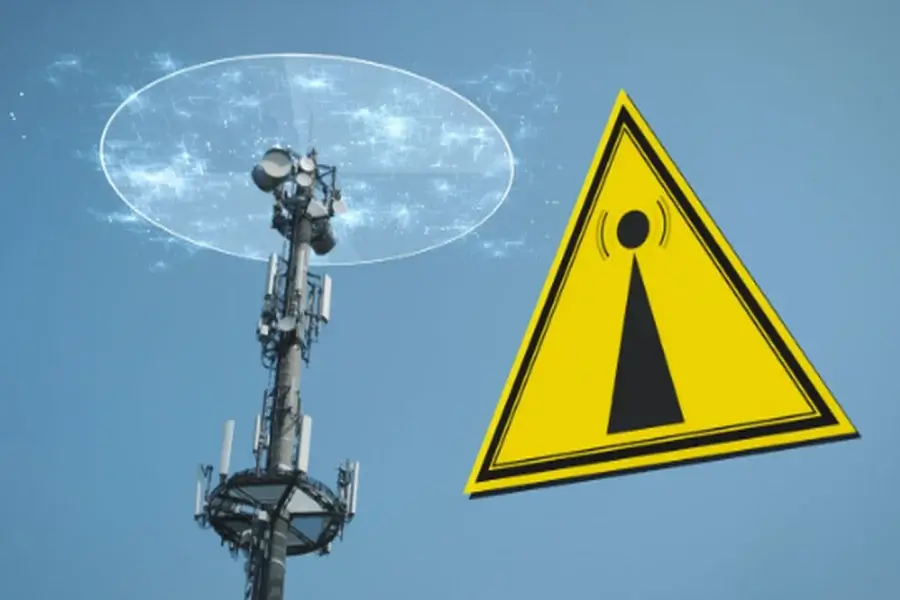
We live in a wireless age. From the smartphone in your pocket to the Wi-Fi router humming in the corner, our daily environments are saturated with invisible waves known as electromagnetic fields (EMFs). As reliance on technology grows, so does curiosity—and concern—about the long-term effects of living in this digital soup.
This concern has sparked a booming market for EMF protection devices. You might have seen stickers for phones, pendants to wear around your neck, or even special paint for your walls. These products promise to block, neutralize, or harmonize radiation. But do they actually work? Before investing in gadgets, it is essential to understand the science behind EMFs and separate marketing claims from proven reduction strategies.
What Are EMFs and Why Is Protection Needed?
Electromagnetic fields are invisible areas of energy, often referred to as radiation, that are associated with the use of electrical power and various forms of natural and man-made lighting.
There are two main categories:
- Non-ionizing radiation: Low-level radiation which is generally perceived as harmless to humans in small doses. This includes microwave ovens, computers, house energy meters, wireless networks, cell phones, and power lines.
- Ionizing radiation: High-level radiation which has the potential for cellular and DNA damage. Examples include sunlight (UV), x-rays, and gamma rays.
The concern regarding EMF protection focuses primarily on the cumulative effect of non-ionizing radiation. While a single Wi-Fi router won’t cause immediate harm like an X-ray might, some worry that constant, low-level exposure over decades could impact biological processes, such as sleep cycles or stress levels.
Understanding EMF Protection Devices
The market offers a wide array of products claiming to shield you from radiation.
- Shielding Cases: These are phone or laptop cases containing conductive materials intended to block EMFs from reaching your body.
- Neutralizers/Harmonizers: Often sold as stickers or pendants, these claim to alter the EMF frequencies to make them less harmful to biology, rather than blocking them entirely.
- Faraday Cages: These are enclosures, ranging from small pouches for car keys to canopy nets for beds, designed to block all incoming and outgoing signals.
The theory behind shielding is sound physics—conductive materials can indeed block radio waves (think of how your signal drops in an elevator). However, “harmonizing” technology is far more controversial and lacks the same grounding in accepted physics.
What Does the Scientific Evidence Say?
When it comes to effectiveness, results are mixed.
Physical shielding works, but with a catch.
Laboratory tests confirm that materials like silver or copper mesh can block radio frequencies. However, applying this to a device like a smartphone can be counterintuitive. If a case blocks the antenna, the phone often boosts its power output to try and find a signal, potentially increasing your EMF exposure rather than reducing it.
Harmonizers lack peer-reviewed support.
Many stickers and pendants claiming to “neutralize” radiation have little to no independent scientific backing. The Federal Trade Commission (FTC) has previously warned consumers about scammers selling unproven products that claim to filter out radiation.
Expert Opinions on EMF Exposure
Health agencies like the World Health Organization (WHO) and the National Cancer Institute generally state that current evidence does not confirm the existence of any health consequences from exposure to low-level electromagnetic fields. However, they also acknowledge that research is ongoing.
Many scientists advocate for the “Precautionary Principle.” This means that while we wait for conclusive long-term data, it is wise to minimize exposure where possible, especially for children whose developing bodies may be more sensitive.
Practical Steps for Reducing EMF Exposure
You don’t need expensive gadgets to lower your daily load. The most effective EMF protection is usually distance and duration.
- Distance is key: Intensity drops off sharply with distance. Keep your phone away from your head by using speakerphone or wired headphones. Don’t sleep with your phone under your pillow; put it on a nightstand or across the room.
- Airplane Mode: If you aren’t using your device, especially at night, switch it to airplane mode. This stops the device from constantly searching for a signal.
- Hardwire when possible: Use an ethernet cable for your computer instead of Wi-Fi. This provides a faster, more secure connection while eliminating a major source of wireless radiation in the home.
- Manage your router: Turn off your Wi-Fi router when you go to sleep.
Finding a Balanced Approach
Navigating the world of EMF protection requires a healthy dose of skepticism. While physical blocking materials exist, many consumer gadgets promise more than they can deliver. Instead of relying on a sticker to “fix” the radiation, focus on simple, free habits. By increasing your distance from devices and reducing usage time, you can significantly lower your exposure without spending a dime.