
Carpal Tunnel Syndrome (CTS) disrupts daily life for millions, causing persistent discomfort and challenges with routine activities. By learning about comprehensive management strategies, individuals can take empowering steps toward symptom relief and lasting hand health. Since there are multiple approaches to CTS management, understanding the best fit for your situation is key. Those seeking holistic options often consider carpel tunnel treatment with chiropractic care, among other therapies. Timely intervention can significantly impact long-term outcomes, reducing pain and improving hand function for people of all backgrounds. CTS does not always require surgery. Many people benefit from noninvasive interventions that can be initiated early. Integrating personalized care with accurate information can make a dramatic difference, empowering individuals to remain active and productive. Identifying and addressing underlying causes, such as repetitive motions or certain health conditions, is essential to creating a sustainable management plan that supports both short-term relief and long-term prevention.
Understanding Carpal Tunnel Syndrome
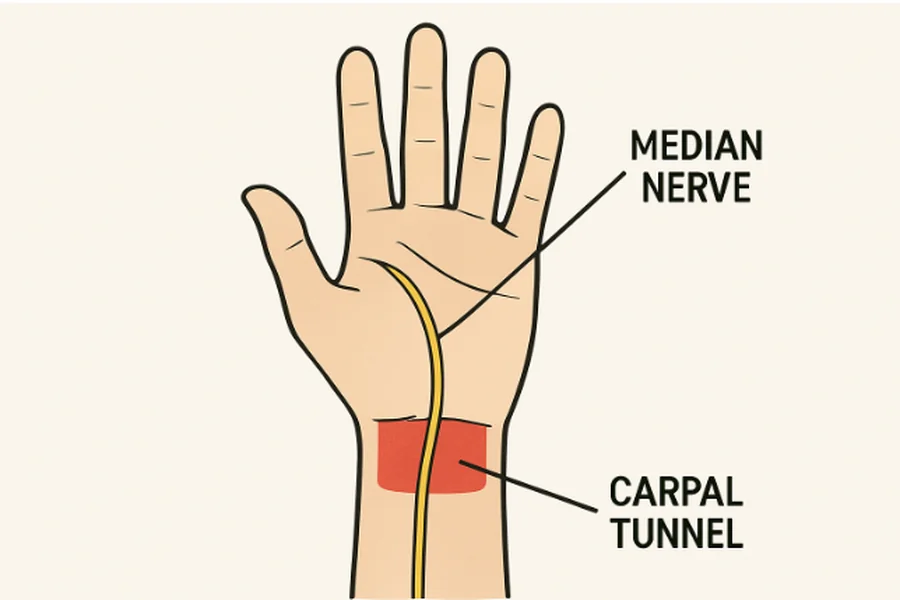
Carpal Tunnel Syndrome (CTS) occurs when the median nerve becomes compressed within the confined carpal tunnel of the wrist, leading to tingling, numbness, pain, and occasionally weakness in the hand or fingers. Repetitive movements, prolonged typing, or poor wrist positioning can increase pressure on the nerve, while anatomical differences, inflammation, or conditions like diabetes, thyroid disorders, and arthritis can exacerbate symptoms. Early detection is critical, as untreated CTS may worsen over time, potentially causing permanent nerve damage. Prompt interventions, including ergonomic adjustments, stretching, splinting, or medical evaluation, can reduce discomfort and preserve hand function for daily activities and work tasks.
Non-Surgical Treatment Options
For many with mild to moderate CTS, conservative, non-surgical treatments offer effective relief. Wrist splinting is commonly recommended, particularly at night, to keep the wrist in a neutral position and reduce stress on the median nerve. Over-the-counter nonsteroidal anti-inflammatory drugs (NSAIDs), such as ibuprofen, help manage pain and inflammation. For those with persistent inflammation, corticosteroid injections into the carpal tunnel can significantly diminish swelling and nerve compression, affording temporary but meaningful symptom relief. These approaches are generally most successful when started soon after symptoms begin, especially for those whose activities or work habits contribute to their CTS.
Surgical Interventions
If conservative treatments fail or if symptoms are severe, surgical intervention may be necessary. The standard procedure, known as carpal tunnel release, involves cutting the transverse carpal ligament to relieve pressure on the median nerve. Minimally invasive techniques, including ultrasound-guided thread carpal tunnel release, have risen in popularity due to shorter recovery times and reduced postoperative discomfort. This innovative approach has been associated with quicker return to work and daily activities, as well as lower complication rates compared to traditional open surgery.
Lifestyle Modifications and Ergonomics
Adjusting daily habits and improving ergonomic setups are crucial for long-term success in managing CTS. Proper workstation arrangements, such as keeping wrists straight while typing and using supportive keyboards or mouse pads, can help prevent worsening of symptoms. Taking scheduled breaks to stretch and move is essential, especially for those in jobs that involve repetitive hand movements. Maintaining a healthy weight and controlling underlying health issues, such as diabetes and hypothyroidism, reduces the likelihood of progression or recurrence of CTS symptoms. Harvard Health offers more advice on preventing carpal tunnel syndrome through lifestyle changes.
Physical Therapy and Exercises
Physical therapy plays a vital role in strengthening and mobilizing the wrist and hand. Targeted exercises, including nerve gliding techniques, help enable freer movement of the median nerve within the carpal tunnel. Stretching and strengthening routines improve flexibility and reduce stiffness. Studies have also shown that yoga poses focusing on upper body strength and movement can be as effective as splinting in alleviating symptoms. Consulting with a licensed physical therapist ensures exercises are tailored to your unique needs and symptom severity.
Alternative Therapies
For individuals seeking complementary care, alternative therapies are sometimes effective for symptom management. Acupuncture has shown promise in some studies for reducing pain and improving function. Other modalities may include chiropractic adjustments, herbal treatments like arnica, and therapeutic massage. Always consult a healthcare professional before starting alternative treatments to ensure they do not conflict with current medical care or underlying conditions.
When to Seek Medical Advice
Despite self-care efforts, worsening or persistent CTS symptoms require medical evaluation. Signs such as increased numbness, weakness, or severe pain should not be ignored. Early treatment not only improves outcomes but also reduces the risk of permanent median nerve damage. Physicians can tailor therapy, order diagnostics, and recommend surgical options if necessary, providing a comprehensive approach to management.
Conclusion
Effectively managing Carpal Tunnel Syndrome involves a combination of non-surgical measures, the possibility of surgical intervention, regular physical therapy, and daily lifestyle modifications. Staying informed about best practices and the latest innovations while working closely with healthcare providers maximizes the potential for relief and prevention. A proactive, individualized approach empowers those living with CTS to maintain their quality of life and continue engaging in the tasks they enjoy.