
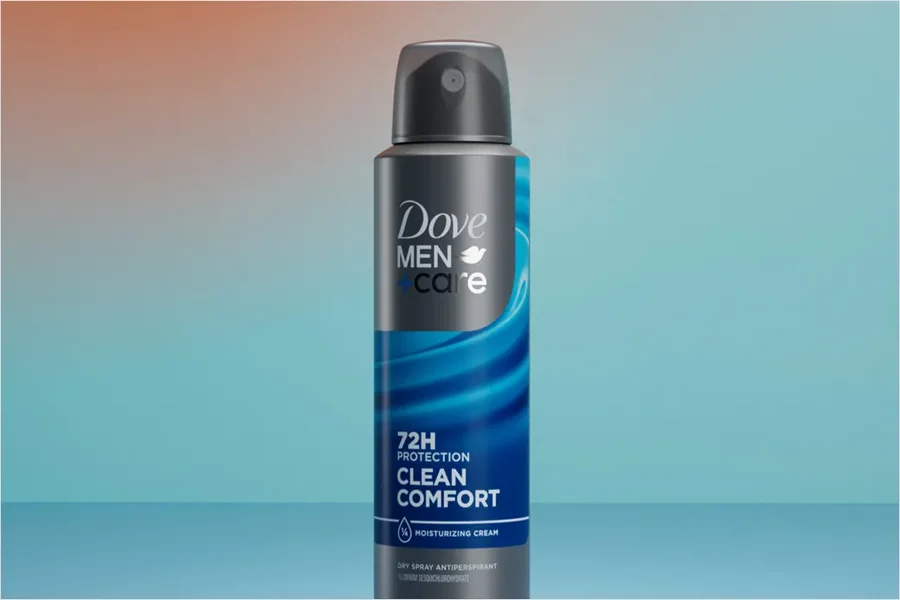
Personal care has always been subject to evolution. Products are reformulated, standards are raised, and consumer expectations shift in response to greater awareness. Nowhere is this transformation more visible right now than in the deodorant category. What was once considered a basic, almost afterthought purchase has been repositioned as a meaningful part of daily wellness — and the reasons behind this shift are worth understanding.
The new generation of deodorants is not simply better smelling or more attractively packaged. It is fundamentally different in composition, philosophy, and performance. Ingredient lists are being scrutinized, skin health is being prioritized, and the gap between what is promised on the label and what is delivered throughout the day is being closed — steadily and significantly.
Why the Old Formulas Are Being Left Behind
For decades, the deodorant industry operated on a relatively simple formula — strong fragrance, aluminum-based sweat suppression, and a 24 to 48-hour protection claim printed in bold across the packaging. These products were widely used, widely available, and widely accepted without much question.
That acceptance has begun to erode. A more informed consumer base has started reading ingredient labels with the same scrutiny applied to food packaging. Questions are being raised about the long-term effects of aluminum compounds on the skin and lymphatic system. Concerns around parabens, synthetic fragrances, and chemical preservatives have moved from niche wellness communities into mainstream conversation. As a result, brands have been compelled to respond — not with minor adjustments, but with comprehensive reformulations.
The old model of masking odor and blocking sweat at any cost is being replaced by an approach that respects both the body’s natural functions and the skin’s long-term health. This is the foundation upon which the new generation of deos has been built.
The Science Behind Modern Odor Control
Body odor is not caused by sweat itself. It is produced when sweat comes into contact with bacteria that naturally reside on the skin’s surface. Understanding this distinction has been central to the development of more effective and skin-compatible deodorant formulations.
Rather than simply suppressing sweat or masking the resulting odor, newer formulations are designed to address the bacterial activity at its source. Ingredients such as zinc ricinoleate, magnesium hydroxide, and fermented sugarcane-derived ethanol have been identified for their ability to neutralize odor-causing compounds without disrupting the skin’s natural microbiome.
Probiotic technology is also being incorporated into select formulations, with research suggesting that the introduction of beneficial bacteria can help regulate the microbial environment of the underarm area over time. This approach mirrors the broader skincare industry’s move toward microbiome-friendly products — and its application to deodorants represents a meaningful step forward in how freshness is achieved and maintained.
Deo for Men: A Category That Has Outgrown Its Stereotypes
The image associated with deo for men has historically been built around performance — maximum strength, intense fragrance, and packaging that communicates power rather than care. While these associations have not disappeared entirely, the category has expanded considerably beyond them.
A well-formulated deo for men is now expected to address the specific physiological characteristics of male skin — higher sebum production, coarser texture, and a tendency toward more pronounced bacterial activity in areas prone to sweating. Formulations developed with these factors in mind tend to include ingredients such as activated charcoal for deep absorption, tea tree oil for its natural antibacterial properties, and niacinamide for skin-tone evening and barrier support.
The aluminum-free movement has had a particularly strong impact on the deo for men segment. A significant and growing portion of male consumers are actively seeking alternatives to traditional antiperspirants — not only out of health-related concern, but out of a preference for products that feel lighter, cleaner, and more compatible with active lifestyles. The response from the industry has been substantial, with a wide range of effective aluminum-free options now available specifically formulated as deo for men.
Deo for Women: Redefining What Protection Should Feel Like
The standards applied to deo for women have undergone an equally significant transformation. Products in this category were long developed around fragrance as the primary selling point — with efficacy treated as secondary. That hierarchy has been reversed.
A modern deo for women is now evaluated on its ability to provide genuine, lasting protection while remaining gentle on sensitive skin. The underarm area in women tends to be more frequently subjected to shaving or waxing, making it particularly vulnerable to irritation from harsh chemical formulations. Ingredients such as aloe vera, chamomile extract, shea butter, and vitamin E are now prominently featured in leading formulations — chosen for their ability to soothe, hydrate, and protect the skin barrier alongside their deodorizing function.
Hormonal variability is another factor that is increasingly being acknowledged in the development of deo for women. Fluctuations across the menstrual cycle, pregnancy, and menopause can alter body odor and sweat patterns significantly. Formulations that are adaptable, gentle, and consistent in their performance across these biological shifts are being recognized as a meaningful advancement in the category.
Ingredient transparency has also become a defining expectation for deo for women. Paraben-free, sulfate-free, cruelty-free, and dermatologist-tested claims are no longer considered premium differentiators — they are baseline requirements for a growing segment of consumers who will not compromise on what is applied to their skin daily.
What Sets a High-Quality Deo Apart
Across both categories, certain markers consistently distinguish a well-formulated deodorant from one that underdelivers. Longevity of protection is the most obvious measure — a product that requires reapplication by midday is not meeting the standard that modern life demands. Skin compatibility is equally important, particularly for those with sensitive skin or a history of irritation from conventional formulas.
Transparency in ingredient sourcing, ethical production practices, and environmentally conscious packaging have also entered the evaluation criteria for a significant portion of today’s consumers. A deodorant is no longer assessed in isolation — it is considered as part of a broader set of values around personal health, environmental responsibility, and conscious consumption.
The Standard Has Been Raised — Permanently
What the new generation of deos has accomplished is not simply an improvement in product quality. A fundamental shift in how deodorants are understood, chosen, and valued has been brought about. Freshness is no longer the only expectation — skin health, ingredient integrity, and all-day reliability are now part of the same conversation.
The bar has been raised. And for consumers who have made the switch to this new generation of products, there is little interest in going back.