
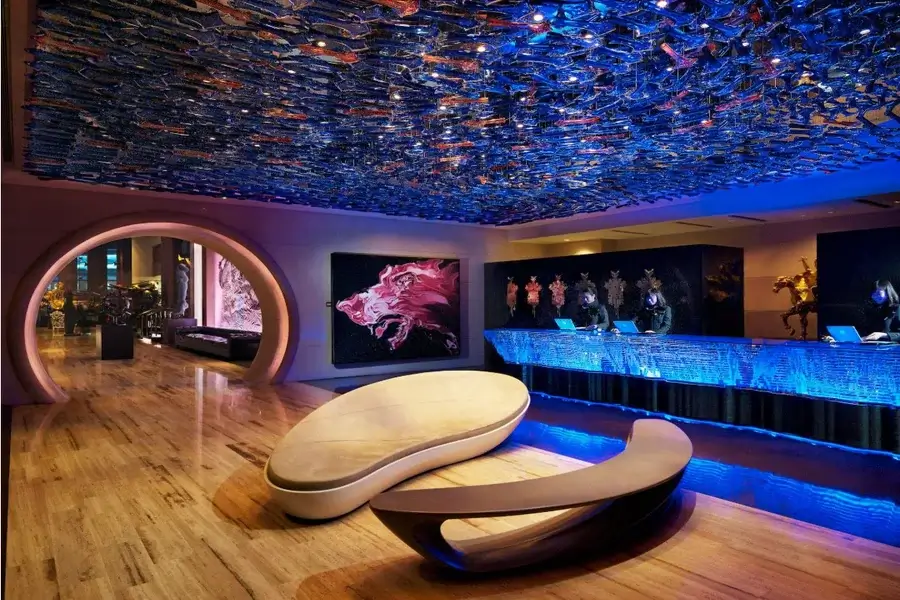
In today’s hospitality industry, first impressions are everything. When travelers browse online, the photos of a hotel often determine whether they book a stay or scroll past. This is where a professional hotel photographer comes in—not just to snap images, but to tell a visual story that reflects a hotel’s identity, charm, and experience.
High-quality photography builds trust and communicates professionalism. Studies show that travelers are twice as likely to book a hotel with compelling, well-executed photos compared to those with poor visuals. Every image on a hotel website, OTA listing, or social media platform becomes a powerful marketing tool, making professional photography an essential investment.
The Role of Hotel Photographers
A hotel photographer does more than take pictures. They capture the essence of the property, emphasizing spaces, lighting, and atmosphere. From the elegance of a lobby to the serenity of a spa, professional photographers know how to highlight unique features that appeal to potential guests.
Key skills of a hotel photographer include:
- Mastery of lighting: Balancing natural and artificial light to create inviting, realistic images.
- Space composition: Using wide-angle lenses without distortion to showcase room layout and size.
- Attention to detail: Arranging furniture, decor, and amenities for a polished look.
- Post-processing: Enhancing images while maintaining authenticity.
Why Architectural Photography Matters
In addition to lifestyle shots, incorporating architectural photography elevates a hotel’s visual storytelling. Architectural photographers focus on the design, lines, and structure of the property, emphasizing both aesthetic and functional aspects. Sweeping staircases, modern facades, and unique design elements are highlighted, helping potential guests appreciate the property beyond just the rooms. This combination of lifestyle and architectural photography creates a comprehensive view that sets a hotel apart from competitors.
Capturing the Full Guest Experience
While guest rooms are crucial, professional hotel photography extends to all areas that define the experience. Restaurants, bars, meeting spaces, pools, and outdoor areas all contribute to a guest’s perception. Lifestyle shots, such as guests enjoying breakfast or relaxing by the pool, make the images relatable and inviting.
Architectural photography complements these scenes by emphasizing the property’s structure and design features. This approach ensures that both the ambiance and architectural beauty are communicated, giving viewers a complete sense of the hotel’s personality.
Branding Through Photography
Every hotel has a story to tell, and photography plays a vital role in communicating it. Luxury resorts, boutique hotels, and business accommodations each require a tailored approach to match their brand. A professional photographer collaborates with management to ensure the imagery aligns with the property’s identity and appeals to the target audience.
Consistency across marketing channels is critical. Cohesive photographic styles on websites, social media, and brochures reinforce brand recognition and build trust. From warm, cozy tones for boutique properties to crisp, modern aesthetics for city hotels, every image contributes to a unified narrative.
The Business Impact
Professional hotel photography is an investment that pays off. High-quality images not only increase online bookings but also enhance marketing campaigns, social media engagement, and guest perceptions. A single compelling photograph can attract attention, elevate the property’s perceived value, and influence a traveler’s decision to book.
Incorporating architectural photography further strengthens this impact. Highlighting design, lines, and spatial relationships ensures that the property stands out, appealing to guests who appreciate aesthetics and attention to detail.
Choosing the Right Photographer
Selecting a hotel photographer involves more than reviewing portfolios. Key considerations include:
- Experience in hospitality photography and guest psychology
- Ability to manage diverse environments, from intimate rooms to large resorts
- Skill in both lifestyle and architectural photography
- Professional communication and collaboration with hotel staff
The best photographers work as partners with hotels, planning shoots to minimize disruption while capturing images that reflect the property’s strengths.
Hotel photography is more than decoration—it’s a strategic marketing tool. Professional photographers create visual stories that draw guests in, reflect the hotel’s character, and drive bookings. Combining lifestyle photography with architectural photography ensures both the guest experience and the property’s design are highlighted, making a lasting impression.
Investing in professional hotel photography is not just about pretty pictures—it’s a pathway to higher visibility, stronger engagement, and long-term success in the competitive hospitality industry. One useful resource for more insights is Voomixi Com.