
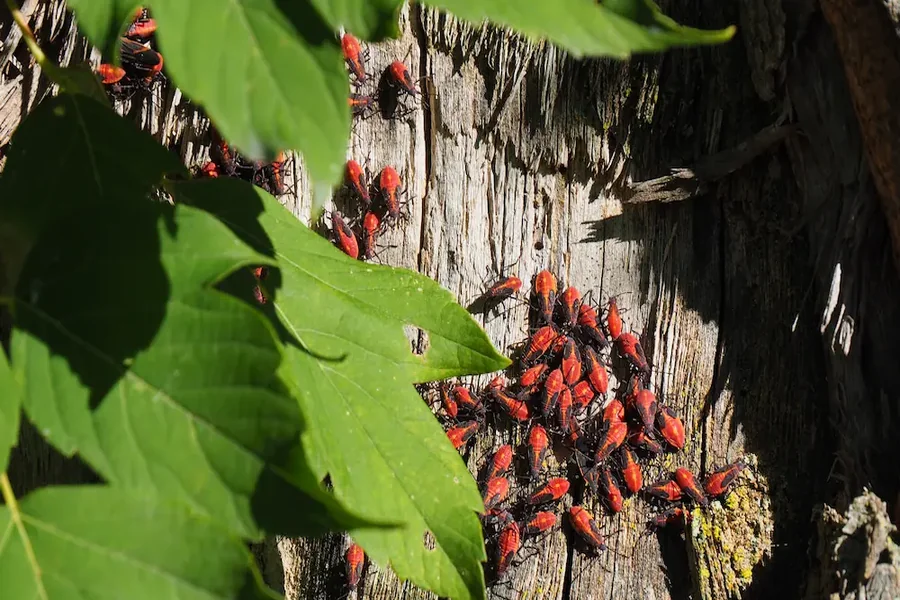
Boxelder bugs are a common nuisance for many homeowners, especially in regions where boxelder and other seed-bearing trees are prevalent. These insects are known for their tendency to congregate on warm surfaces and, as temperatures drop, seek shelter indoors. The proximity and arrangement of trees around a home can play a significant role in determining how likely it is for boxelder bugs to invade living spaces. Understanding the relationship between landscaping choices and indoor pest activity is crucial for those looking to minimize unwanted encounters with these persistent insects. By examining how tree placement affects boxelder bug behavior, homeowners can make informed decisions to reduce indoor infestations.
How tree location affects indoor bug problems
The connection between trees and boxelder bugs
Boxelder bugs are closely associated with certain types of trees, particularly boxelder, maple, and ash. These trees provide both food and shelter for the bugs throughout the year. During the warmer months, boxelder bugs feed on seeds, leaves, and twigs, often forming large groups on the sunny sides of tree trunks and branches. As the seasons change and temperatures begin to drop, these insects start searching for protected areas to overwinter. Homes surrounded by or located near boxelder and similar trees are more likely to experience higher populations of these bugs. The closer these trees are to the structure, the easier it is for boxelder bugs to transition from their outdoor habitat to the warmth and safety of indoor spaces. This proximity increases the likelihood of bugs finding cracks, gaps, or other entry points into the home, leading to noticeable indoor activity during the fall and early spring.
Tree placement and migration patterns
The placement of trees in relation to a home can significantly influence the migration patterns of boxelder bugs. When trees are planted close to exterior walls, especially on the south and west sides where sunlight is most intense, boxelder bugs are drawn to these warm surfaces. As they bask in the sun, they often explore nearby structures for potential overwintering sites. If trees are situated within a few feet of the house, branches may even touch or overhang the roof and siding, providing a direct pathway for bugs to access the building. This close contact not only increases the risk of indoor infestations but also makes it more challenging to manage populations effectively. Homeowners in Salt Lake City and similar climates often seek boxelder bug control Salt Lake City services to address these issues, especially when landscaping choices inadvertently encourage bug activity. By understanding how tree placement affects migration, residents can take proactive steps to reduce the likelihood of indoor invasions.
Seasonal changes and indoor infestations
As autumn approaches and temperatures begin to fall, boxelder bugs become increasingly active in their search for overwintering sites. The presence of host trees near a home accelerates this process, as the bugs naturally congregate on the sun-warmed surfaces of both trees and buildings. When the weather cools rapidly, these insects are more likely to move en masse toward the warmth of homes, seeking out cracks, crevices, and other small openings. The orientation of trees and their proximity to windows, doors, and foundation walls can create a direct route for boxelder bugs to enter living spaces. Once inside, they tend to gather in attics, wall voids, and other secluded areas, emerging periodically during warm spells. This seasonal migration is heavily influenced by the landscape immediately surrounding the home, making tree placement a critical factor in determining the severity of indoor infestations.
Landscaping strategies for prevention
Thoughtful landscaping can play a pivotal role in reducing boxelder bug activity indoors. Homeowners who are planning new plantings or considering changes to their existing landscape should take into account the types of trees they select and their placement relative to the house. Avoiding the planting of boxelder, maple, and ash trees close to the home can help minimize the attraction for these bugs. For existing trees, regular maintenance such as pruning branches that overhang or touch the house can reduce direct access points. Creating a buffer zone of at least several feet between trees and the home’s exterior can also discourage bugs from migrating indoors. Additionally, maintaining healthy, well-sealed exteriors by repairing cracks, gaps, and damaged screens further limits entry opportunities. These landscaping and maintenance strategies, when combined, can significantly decrease the likelihood of boxelder bugs becoming a persistent indoor problem.
Quick facts about boxelder bug behavior
Boxelder bugs are most active during warm, sunny days and are attracted to light-colored surfaces. They do not bite or cause structural damage, but their presence indoors can be a nuisance due to staining and odor. Their life cycle is closely tied to the availability of host trees, making tree placement a key factor in their population dynamics.
The role of climate and regional factors
Climate and regional characteristics also play a significant role in boxelder bug activity and the impact of tree placement. In areas with distinct seasonal changes, such as Salt Lake City, the transition from warm to cold weather triggers mass movements of boxelder bugs toward buildings. The local prevalence of boxelder and similar trees further amplifies the problem, as these trees serve as both breeding grounds and food sources. Homes located in neighborhoods with mature landscaping and dense tree cover are particularly susceptible to indoor infestations. Regional weather patterns, such as sudden cold snaps or extended periods of warmth in the fall, can influence the timing and intensity of boxelder bug migrations. Understanding these local factors, in conjunction with thoughtful tree placement, can help homeowners anticipate and mitigate potential indoor pest issues.
Conclusion
Tree placement around homes is a significant factor in determining the likelihood and severity of boxelder bug activity indoors. The proximity of host trees, especially boxelder, maple, and ash, to a home’s exterior can create ideal conditions for these insects to migrate indoors as temperatures drop. By carefully considering landscaping choices and maintaining a buffer between trees and the house, homeowners can reduce the risk of indoor infestations. Regular maintenance, such as pruning and sealing entry points, further enhances these efforts. While climate and regional factors also influence boxelder bug behavior, proactive landscaping and home care remain effective strategies for minimizing unwanted encounters with these persistent insects. Taking these steps can lead to a more comfortable and pest-free living environment throughout the year.