
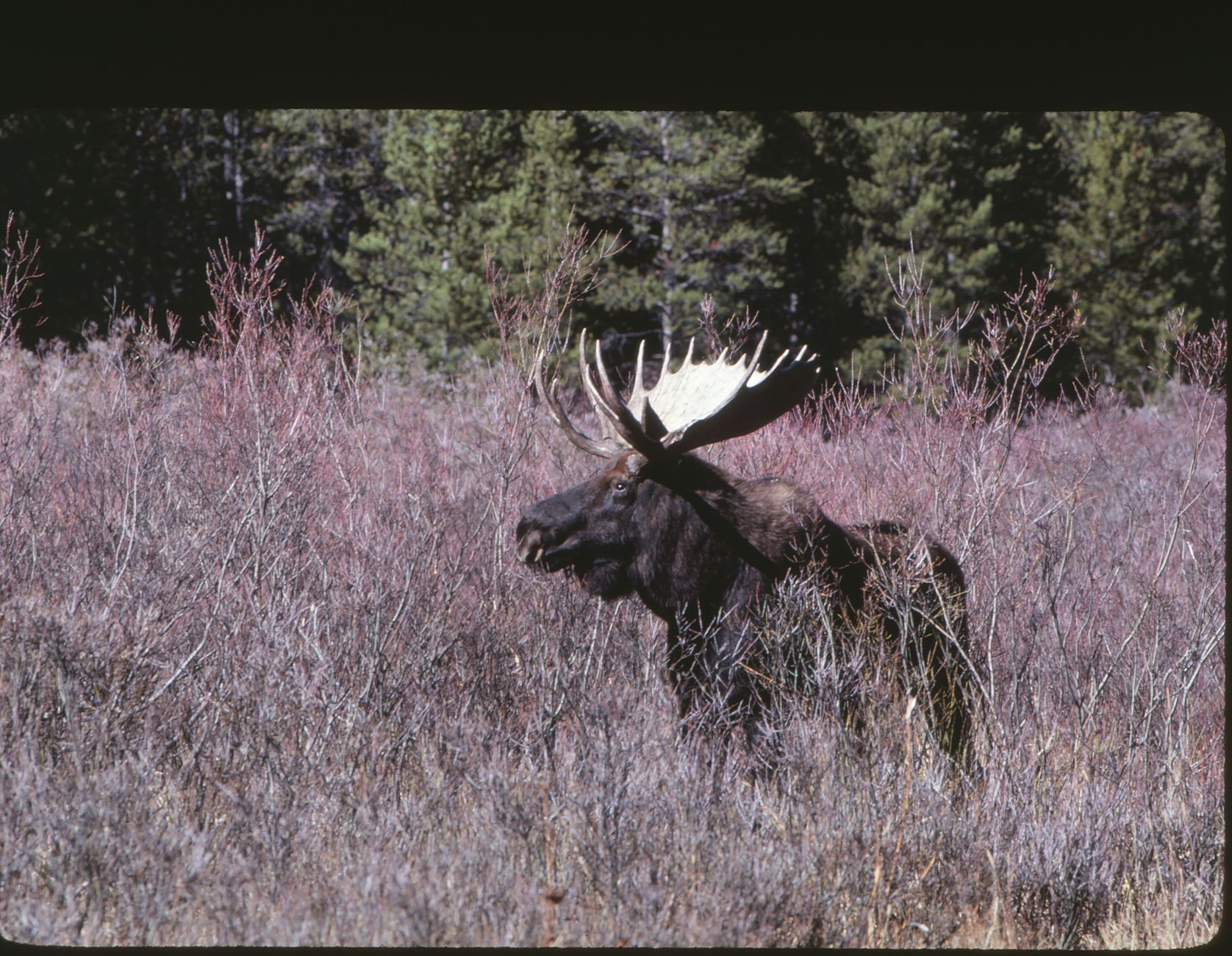
Fall Wildlife Around Yellowstone Deserves More Than a Quick Roadside Stop
You might be staring at maps, weather reports, and park updates, trying to figure out if autumn is the right time to go. Summer crowds are fading, some roads and services begin to shift, and the animals you came to see do not follow a neat schedule. That mix can feel exciting and a little stressful at the same time. You want the trip to feel worth it, not rushed, not random, and not built on luck. There are so many great things to do in Rexburg, ID.
That is the truth about Fall Wildlife Around Yellowstone. It can be one of the richest times to visit, but it rewards planning. Elk bugle in the cool air, bears push hard to feed before winter, bison gather, and migratory birds move through the region. A good plan gives you a better shot at seeing that seasonal movement without spending your whole trip guessing where to be and when.
Early fall and late fall can feel like two different parks. In September, mornings are cold, afternoons can still be mild, and animal activity often picks up around dawn and dusk. By October and into November, snow becomes more likely, daylight shrinks, and some visitor services wind down. The National Park Service keeps a helpful guide to Yellowstone’s seasonal conditions and closures, and that matters more in fall than many travelers expect.
If you arrive without checking those changes, you can lose hours to closed roads, limited lodging options, or missed timing. That kind of mistake stings because the wildlife may still be there, just not where you assumed. A bull elk bugling in a meadow at sunrise is unforgettable. Showing up at noon after a slow breakfast and a long drive usually means you missed the moment.
The same pattern holds for birds. Fall is not only about big mammals. Songbirds and woodpeckers remain part of the park’s rhythm, especially in forested areas and near riparian habitat. The Park Service page on Yellowstone songbirds and woodpeckers gives a useful sense of what species use those habitats. If your picture of wildlife watching only includes wolves, bears, and elk, you can walk past a lot of life without noticing it.
This is why a loose plan often turns into a frustrating one. You tell yourself you will just drive and see what happens. Then weather shifts, parking fills at a pullout, or you learn too late that migration timing was the real story that week. The animals are not performing on command. You are entering a living system shaped by food, temperature, daylight, and movement.
Migration patterns and feeding behavior shape the best fall sightings
Fall in and around Yellowstone is driven by movement. Some animals are feeding heavily before winter. Others are changing elevation or passing through broader migration corridors in the West. The USGS tool for western migrations helps show the scale of those movements, and it explains why one valley can feel full of life while another seems quiet.
You may picture a single day of wildlife viewing as one long scenic drive. In practice, timing does most of the work. A meadow that looks empty at 2 p.m. can hold elk, bison, or coyotes at first light. A river corridor that seems still can fill with bird activity when the air warms. That is why Yellowstone fall animals are easier to appreciate when your days are built around behavior, not just landmarks.
Bears are a good example. In fall, they are focused on food. That can improve your chances of seeing one from a safe distance, but it also raises the stakes for visitors who get careless with food storage or crowd an animal for a photo. The same goes for elk during the rut. They look majestic, and they can also be aggressive. A planner who builds in safe viewing distances, early starts, and flexible routes gives you a much better experience than a trip built around wishful thinking.
A vacation planner can turn a hopeful itinerary into a realistic one
Plenty of travelers enjoy planning their own park trips, and some do it well. The trouble starts when you underestimate how much local timing matters in autumn. You book a room too far from your morning viewing area, miss the best light, spend extra on gas and last minute changes, and end up tired before the second day even starts.
| Planning Approach | What You Gain | Common Risk |
| DIY trip planning | Full control over budget, pace, and stops | Missed wildlife windows, poor route timing, service and closure surprises |
| Using a vacation planner | Smarter lodging location, realistic daily flow, better timing for sightings | Less spontaneity if you prefer fully unstructured travel |
| Hybrid approach | Professional structure with room for your own interests | Needs clear priorities from the start |
A good vacation planner does not remove the wonder. It protects it. Instead of wasting energy on logistics, you keep your attention on the reasons you came. That could mean sunrise in Lamar Valley, an afternoon focused on birds and river corridors, or a route that avoids doubling back across the park when daylight is short.
Three steps make fall wildlife viewing in Yellowstone more rewarding
1. Build your days around dawn and dusk. Wildlife activity is often strongest at the edges of the day. Choose lodging and drive times with that in mind. If your first major stop is two hours away, your morning has already slipped.
2. Treat park conditions as part of wildlife planning. Seasonal road access, weather, and daylight shape what you can realistically do. Check official updates before you go and again right before each travel day. Fall color and wildlife are still there when conditions change, but your route may need to change too.
3. Decide what kind of sightings matter most. Some travelers want elk and bison. Others care about birds, wolves, or photographing a broad slice of autumn wildlife viewing. Once you know your priorities, your itinerary gets sharper. You stop trying to do everything and start doing the right things at the right times.
Fall around Yellowstone gives you quieter roads, crisp mornings, and some of the most active animal behavior of the year. It also asks more from your planning than a summer trip does. If you want the season to feel less scattered and more intentional, use a Vacation Planner and build the trip around how the animals actually move. That is how you come home with more than a checklist. You come home with moments you were in the right place to witness.