
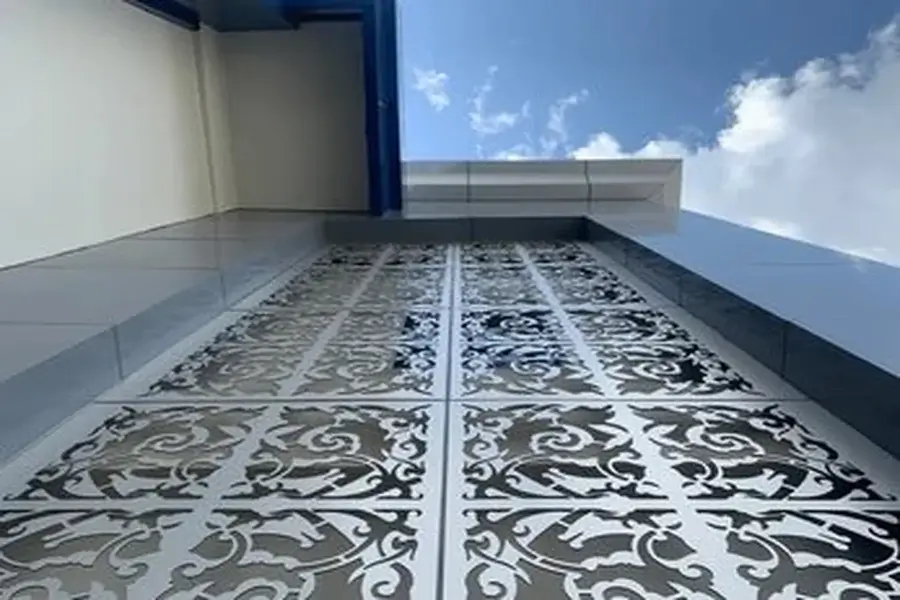
Across India’s expanding IT corridors and commercial districts, the role of the building facade has changed noticeably. Once treated as a static outer layer, the facade is now expected to perform multiple tasks at once—protecting the building, supporting energy efficiency, meeting safety regulations, and contributing to a coherent architectural identity. In this evolving context, the ACP sheet has steadily gained acceptance as a practical facade solution for IT parks and office buildings.
This shift is not driven by fashion. It reflects changing priorities in how large commercial buildings are designed, built, and maintained. For architects, builders, and government bodies that have traditionally relied on conventional cladding systems, ACP-based facades represent a material transition shaped by performance and project realities.
Understanding ACP Sheet Systems in Office Architecture
An ACP sheet is a composite panel made by bonding aluminium skins to a core material under controlled factory conditions. This manufacturing process results in panels with consistent thickness, surface quality, and predictable behaviour. Such consistency matters greatly in commercial projects where facades are repeated across long elevations or multiple blocks.
In IT parks, buildings are often planned as part of a larger campus. Materials that allow standardisation without visual monotony are easier to manage at scale. ACP systems support this requirement by offering uniform performance while allowing variation in colour, finish, and form.
Another important distinction is construction methodology. ACP facades rely on dry installation systems rather than wet plastering or stone fixing. This reduces construction time and improves coordination on site, especially in projects where speed of execution is closely monitored.
Why ACP Sheet–Clad Facades Suit IT Parks
IT parks operate under tight timelines and long-term operational expectations. Facade materials must therefore support both quick delivery and reliable performance.
The lightweight nature of an ACP sheet reduces the load on the building structure. This can influence structural design efficiency, particularly in high-rise office buildings. Lighter facades are also easier to transport and install, which becomes significant when working across large campuses or multiple phases.
Thermal performance is another practical consideration. ACP façades can be designed with insulation layers and ventilated cavities. These assemblies help moderate heat gain, supporting indoor comfort and reducing pressure on cooling systems, an important factor in office buildings with high energy demand.
ACP Sheet Performance in Indian Climatic Conditions
India’s climate places continuous stress on building envelopes. Office facades must withstand strong sunlight, heavy monsoon rains, dust, and urban pollution.
When specified with appropriate coatings, an ACP sheet offers resistance to ultraviolet exposure and moisture. The aluminium surface acts as a protective layer, while factory-applied finishes help maintain appearance over time. This stability is particularly valued in IT parks, where a consistent facade appearance contributes to the overall campus character.
ACP systems also allow controlled movement through engineered fixing methods. This accommodates thermal expansion and contraction, reducing the risk of cracking or surface damage that can occur with rigid cladding materials.
The Role of Wooden ACP Sheet Finishes in Commercial Design
As work environments evolve, office buildings are increasingly expected to feel more approachable and less institutional. This has encouraged the use of materials that add visual warmth without increasing maintenance demands.
The wooden ACP sheet responds to this need by offering the appearance of timber while retaining the durability of aluminium composite panels. Such finishes are often used in entrance areas, podium levels, and shared spaces within IT parks.
From a performance perspective, wooden ACP sheet finishes are more stable than natural wood in external conditions. They are less affected by moisture, insects, and temperature fluctuations. This makes them suitable for long-term external use without the regular treatments that timber typically requires.
Fire Safety and Regulatory Awareness
Fire safety has become a defining factor in façade specification, particularly for high-occupancy office buildings and public-sector projects. Regulatory scrutiny has increased, and facade materials are now expected to meet clearly defined performance criteria.
ACP panels are available with different core compositions, including fire-retardant options. The fire behaviour of an ACP façade depends on the core material, installation system, and overall design of the facade assembly.
For architects and approving authorities, this highlights an important point. ACP is not a single material category but a system that must be specified responsibly. When this is done correctly, ACP sheet facades can align with current fire safety expectations in commercial buildings.
Construction Efficiency and On-Site Practicality
Construction efficiency plays a decisive role in commercial developments. ACP facades support off-site fabrication, allowing panels to arrive on site ready for installation. This reduces on-site cutting, material wastage, and dependency on weather conditions.
The result is a cleaner, more controlled construction process. For large IT campuses, this improves coordination between different trades and reduces delays caused by facade-related bottlenecks.
Government and institutional projects benefit from this predictability. The ability to plan facade execution with greater certainty supports transparency in timelines and cost management.
Lifecycle Performance and Maintenance
Facade materials influence long-term operational effort as much as initial construction cost. An ACP sheet typically requires limited maintenance beyond routine cleaning.
Unlike painted plastered surfaces, ACP finishes do not rely on site-applied coatings that degrade unevenly. This reduces the frequency of repair or repainting. Over the lifespan of an office building, such consistency contributes to stable maintenance budgets.
When wooden ACP sheet finishes are used, they provide a wood-like appearance without the recurring upkeep associated with natural timber. This balance of aesthetics and durability is particularly relevant in large commercial settings.
Sustainability and Resource Efficiency
Sustainability considerations are increasingly embedded in commercial and government procurement processes. ACP systems contribute to sustainability in practical ways.
Aluminium is recyclable, and many ACP products incorporate recycled content. Lightweight panels reduce transportation energy. Improved thermal performance contributes to lower operational energy demand over time.
Using wooden ACP sheet finishes instead of natural wood also reduces pressure on timber resources, supporting responsible material choices without altering design intent.
Conclusion
The growing presence of ACP sheet–clad facades in India’s IT parks and office buildings reflects a broader evolution in facade design thinking. Material choices are now guided by performance, safety, constructability, and lifecycle value rather than appearance alone.
For architects, builders, and government bodies exploring alternatives to conventional cladding, ACP systems offer a well-established and adaptable option. When specified with attention to fire performance, climatic conditions, and long-term use, ACP facades align with the functional and regulatory demands of contemporary commercial architecture. The thoughtful use of finishes such as the wooden ACP sheet further demonstrates how facade materials can respond to both technical and human considerations in the built environment.
FAQs
- Why is ACP sheet commonly used in IT parks?
Its lightweight nature, construction efficiency, and adaptability make it suitable for large office developments. - Is ACP sheet suitable for Indian weather conditions?
Yes. When properly specified, it performs reliably under heat, rainfall, and pollution. - What is the purpose of wooden ACP sheet finishes?
They provide a wood-like appearance while maintaining durability and low maintenance. - How does ACP compare with traditional cladding materials?
ACP systems generally offer faster installation and more predictable long-term performance.