
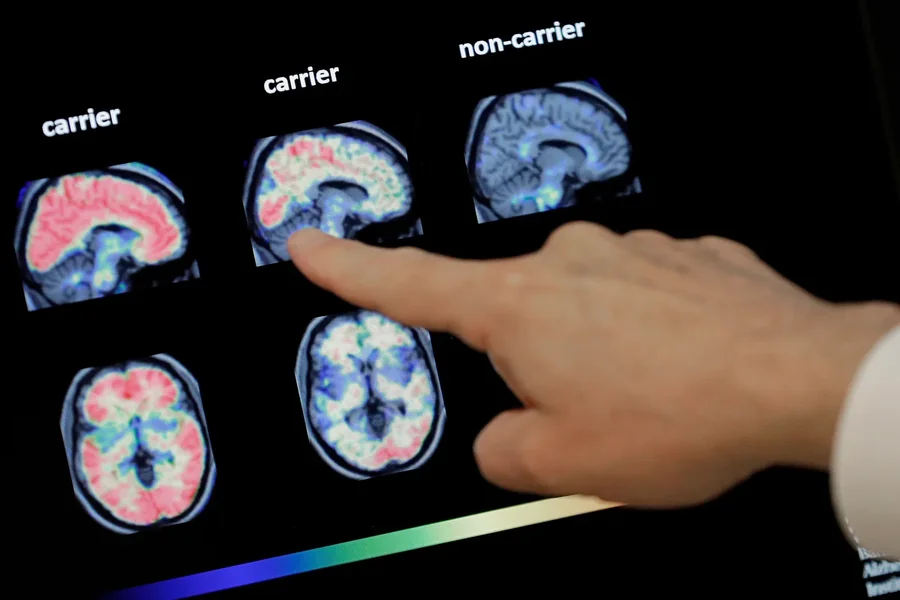
You may feel lost when memory starts to slip. You watch someone you love repeat questions. You wonder if this is normal aging or the start of something worse. Guessing hurts. It strains families and drains energy. An Alzheimer’s brain scan can cut through that fog. It uses clear pictures of the brain to support what doctors see in tests and daily life. As a result, you get clearer answers. You gain a name for what is happening. You see if treatment fits. You can plan work, money, and care with less fear. You also avoid wrong labels that keep you up at night. This blog explains how scans work, what they show, and when they help. It also prepares you for what a scan cannot promise. You deserve straight facts. You also deserve respect for the courage it takes to ask for them.
What an Alzheimer’s brain scan can and cannot do
You might hope a scan gives a simple yes or no. That is not how it works. A scan adds strong clues. It does not stand alone.
Here is what a scan can do for you:
- Show if parts of the brain have shrunk
- Show patterns that match Alzheimer’s disease
- Reveal other causes like stroke, tumor, or fluid buildup
- Help doctors rule out problems that copy Alzheimer’s
Here is what a scan cannot do for you:
- Read thoughts or memories
- Predict the exact speed of decline
- Replace memory tests and talks with your care team
- Guarantee that symptoms will or will not worsen
Clarity comes when you combine scan results with memory testing, lab work, and your life story. You gain the strongest truth when all three match.
Different scan types and what they show
Doctors use a few main scan types when they look for Alzheimer’s disease. Each one answers a different question.
Common scan types used in Alzheimer’s evaluation
| Scan type | What it shows | How it helps you
|
|---|---|---|
| MRI | Shape and size of brain tissue | Finds shrinkage, stroke, tumor, fluid, or injury |
| CT | Basic structure of the brain | Used if MRI is not safe or not available |
| PET (FDG) | How active different brain parts are | Shows patterns of low activity that fit Alzheimer’s |
| Amyloid PET | Build up of amyloid plaques | Supports or weakens an Alzheimer’s diagnosis |
| Tau PET | Spread of tau tangles | Helps stage disease in some centers |
Doctors often start with an MRI. It gives rich detail without radiation. CT comes next if metal implants or health limits block MRI. PET scans add more data when the picture still feels cloudy.
When a scan is usually recommended
Your care team might suggest a scan when:
- Memory or thinking changes last for months
- Symptoms start before age 65
- Confusion comes on fast
- There is a strong stroke or injury history
- Symptoms do not match basic memory testing
Guides from the National Institute on Aging support this step. You can read more at the NIA page on Alzheimer’s diagnostic tests. This source explains how scans fit into the full review.
What you can expect on scan day
Fear often grows in silence. Knowing the steps can ease that weight.
Here is a typical path for an MRI or CT scan:
- You answer safety questions about metal, implants, and pregnancy
- You remove jewelry, glasses, and hearing aids
- You lie on a narrow bed that moves into the scanner
- You must keep still for clear pictures
- You might hear loud knocking sounds during an MRI
- Staff watch and speak with you from the next room
For PET scans, you may also:
- Get a small tracer through a vein
- Rest in a quiet room while the tracer settles
- Then lie still in the scanner for the images
The scan itself does not hurt. The hard part is often the wait. You carry worry while you wait for the report. You are not alone in that strain.
How scan results guide next steps
Once the report is ready, your doctor compares it with your story and your test scores. Three patterns often stand out.
- Findings that fit Alzheimer’s disease. Certain brain parts shrink more than others. PET may show low activity in those same parts. This pattern supports the diagnosis.
- Findings that point to other causes. The scan may show strokes, normal pressure hydrocephalus, tumors, or bleeding. These problems call for different treatment paths.
- Findings that look mostly normal. Symptoms are real even if the scan looks clear. Early disease or other conditions like depression may still be present.
The goal is not a label. The goal is a plan. Results can guide:
- Choice of medicines
- Safety steps such as driving limits
- Support at home or in the community
- Legal and financial planning
Questions to ask your care team
Direct questions help you use the scan for real change. You might ask:
- Why do you think this scan is needed for me
- Which type of scan are you ordering and why
- What risks or limits does this scan have
- How will the results change my care plan
- When and how will you share the results with my family and me
You can also request written copies of reports. You have a right to your data. The Centers for Disease Control and Prevention aging resources can help you learn more about brain health and support services.
Turning fear into action
A scan will not erase grief. It will not fix every memory slip. Yet clear data can soften doubt. It can stop family fights over what is “real.” It can give you words for what your loved one faces.
You deserve straight answers. You also deserve care that fits your story, not someone else’s. An Alzheimer’s brain scan is one strong tool among many. When used with thoughtful listening and careful testing, it can move you from guessing to knowing. That shift can free you to focus on what still matters in each day you share.