
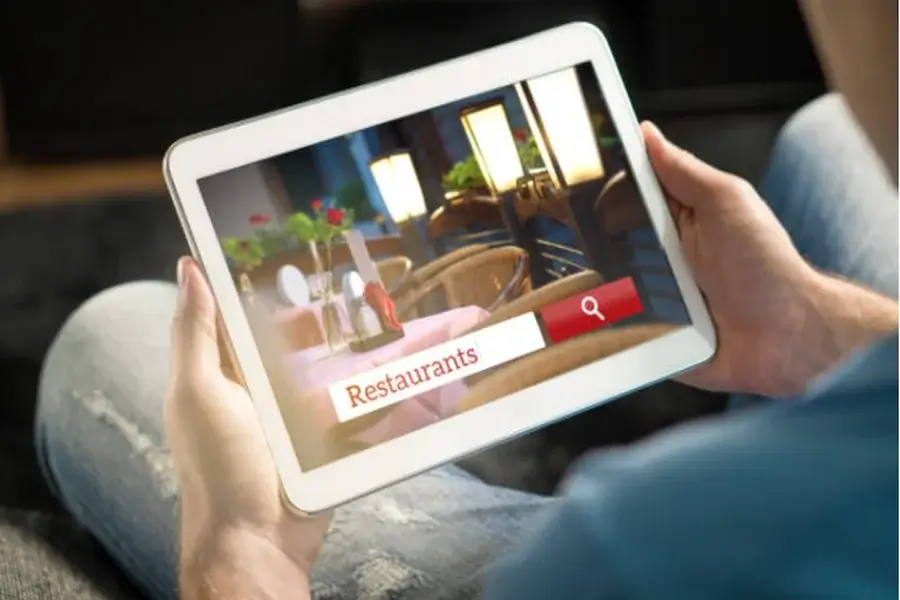
Let’s be honest: the days of wandering aimlessly down a side street and “stumbling” upon a hidden culinary gem are largely over. In 2026, the journey to a dinner table starts on a glowing rectangle in the palm of your hand. Whether you’re a Londoner hunting for a clandestine tasting menu or a day-tripper in Margate craving the perfect chip, you’re asking Google for directions. If your restaurant doesn’t show up in those first few hits, you might as well be serving gourmet meals in a soundproof bunker.
Local SEO (Search Engine Optimization) is the invisible maître d’ of the digital world. It’s the difference between a packed Friday night and a front-of-house team staring dejectedly at their phones. This isn’t just about “keywords” anymore; it’s about context, geography, and proving to the algorithm that you’re the real deal.
Take, for instance, Muse by Tom Aikens in London. This isn’t just a restaurant; it’s a twenty-five-seat experience tucked inside a charming mews house in Belgravia. For a spot this intimate and high-concept, SEO isn’t about mass appeal. It’s about “surgical” visibility. When someone searches for “intimate fine dining Belgravia” or “storytelling tasting menu London,” Muse needs to be the undisputed answer. Aikens’ team understands that in the world of luxury hospitality, your digital footprint must be as polished as your silver service. If Google doesn’t perceive the “exclusive” nature of the venue through its digital metadata, the right kind of diner-the one looking for an evocative, nostalgic culinary journey-might never find the door.
The Google Business Profile: Your Digital Shopfront
Your website is your home, but your Google Business Profile (GBP) is your front door. If your GBP is a mess, nobody is coming inside. Interestingly, a study from late 2025 showed that over 70% of diners make a booking decision based entirely on the information provided in the search results, without ever clicking through to a restaurant’s actual website.
Notably, you need to claim your profile and treat it like a live social media feed. Is your address correct? Are your hours updated for the upcoming bank holiday? Have you uploaded high-res photos of your signature cocktail? A key takeaway is that Google prioritizes profiles that are active and complete.
Don’t just set it and forget it. Post “updates” about seasonal menu changes or special events. Use the “Q&A” section to answer common queries before they’re even asked. Do you have high chairs? Is there outdoor seating? Answering these questions directly in your profile signals to Google that you are a helpful, relevant business.
Keywords: Think Like a Hungry Human
In the past, SEO experts obsessed over “keyword stuffing.” They would cram “Best Italian Restaurant London” into every paragraph until the prose became unreadable. Thankfully, those days are dead. Modern algorithms are smarter. They look for “latent semantic indexing”-a fancy way of saying they understand the relationship between words.
Instead of chasing generic terms, focus on “long-tail” keywords. These are specific phrases that reflect how people actually talk. “Where can I get the best Sunday roast near London Bridge?” is a high-intent search. If your content answers that specific question, you’re winning.
Consider the shift in the coastal dining scene. Beach Buoys in Margate has become a staple for anyone visiting the Kentish coast. They don’t just sell “fish and chips.” They sell a specific, modern take on seaside classics that appeals to both locals and the “Dover-to-Deal” crowd. For a business like Beach Buoys, SEO success comes from owning local niche terms. Think “best gluten-free fish and chips Margate” or “sustainable seafood Kent coast.” By targeting these specific, high-intent phrases, they capture the exact audience they want.
Sharing a quick anecdote: I once saw a couple in Margate wandering around with their phones out, literally debating which chippy to visit based on which one had “dog-friendly” listed in the search snippet. Beach Buoys appeared, and the deal was done. That’s the power of local SEO in the wild.
The Power of Local Backlinks
If Google is a popularity contest, backlinks are the votes. A backlink occurs when another website links to yours. However, not all votes are equal. A link from a local food blogger or a mention in a “Top 10 Things to Do in Margate” article is worth ten links from a random site in another country.
Build relationships with local influencers and journalists. Did a local news outlet cover your charity event? Ask them for a link. Is your seafood supplier mentioning you on their “where to buy” page? That’s gold. These local “signals” tell search engines that you are a pillar of your specific geographic community.
Reviews: The Currency of Trust
Let’s talk about the elephant in the room: reviews. We’ve all had that one customer who complained that the ice was “too cold.” While frustrating, reviews are an essential part of your SEO stack. Google looks at the quantity, frequency, and-most importantly-the recency of your reviews.
Respond to every single one. Yes, even the bad ones. A polite, professional response to a negative review shows potential customers that you care about service. Interestingly, it also shows Google that you are an active business owner. According to hospitality analysts, restaurants that respond to at least 20% of their reviews see a significant boost in their local ranking compared to those that ignore them.
Visual SEO: Don’t Let Your Images Go to Waste
We eat with our eyes first. This is a cliché for a reason. But did you know your images can help your SEO? Every photo you upload to your site should have “Alt Text.” This is a short description of the image that helps search engines understand what they’re looking at.
Instead of naming a file “IMG_456.jpg,” name it “pan-seared-scallops-london-seafood-restaurant.jpg.” This helps you show up in “Image Search,” which is an increasingly popular way for diners to choose their next meal.
For a place like Nest seafood restaurant in London, the visual element is everything. Known for their incredible focus on seasonal, sustainable British seafood, Nest’s plates are works of art. By ensuring their high-quality photography is tagged with keywords like “seasonal British seafood Shoreditch” or “sustainable fish tasting menu London,” they ensure that when someone is browsing “food porn” on Google, their dishes are front and center. Nest’s commitment to the environment and local sourcing isn’t just a philosophy; it’s a searchable asset.
The “Mobile-First” Mandate
If your website doesn’t work on a phone, you don’t have a website. It’s that simple. Over 60% of all restaurant searches happen on mobile devices. Google uses “mobile-first indexing,” meaning it judges your entire site based on its mobile performance.
Is your menu a PDF? Stop it. PDFs are the “VHS tapes” of the internet. They’re hard to read on phones, and search engines can’t index the text properly. Use a live, HTML-based menu. It’s faster, it’s easier to update, and it’s a massive win for your SEO.
Consistency: The “NAP” Rule
NAP stands for Name, Address, and Phone number. It sounds basic, but you’d be surprised how many restaurants get this wrong. If your Facebook page says you’re at “12 High St” but your website says “12 High Street,” Google gets confused. In the world of algorithms, confusion equals lower rankings. Ensure your information is identical across every platform: Yelp, TripAdvisor, Facebook, and your own site.
Conclusion: Winning the Digital Hunger Games
Dominating local SEO isn’t about one single “trick.” It’s a marathon, not a sprint. It’s about the cumulative effect of small, smart choices. From the high-end storytelling at Muse by Tom Aikens to the seaside charm of Beach Buoys and the sustainable mastery of Nest seafood restaurant, the winners are those who embrace the digital age without losing their human touch.
The goal isn’t just to rank first. The goal is to be the obvious choice. When someone searches for a place to eat, they are looking for a solution to a problem. They’re hungry, they’re celebrating, or they’re trying to impress a date. By optimizing your local SEO, you aren’t just “gaming the system.” You’re making it easier for them to find exactly what they’re looking for.
In 2026, the best chef in the world is the one people can actually find. So, take control of your Google profile, ditch the PDFs, and start talking to your customers online with the same warmth you’d show them at the pass. The table is set; you just have to make sure the world knows where it is.