
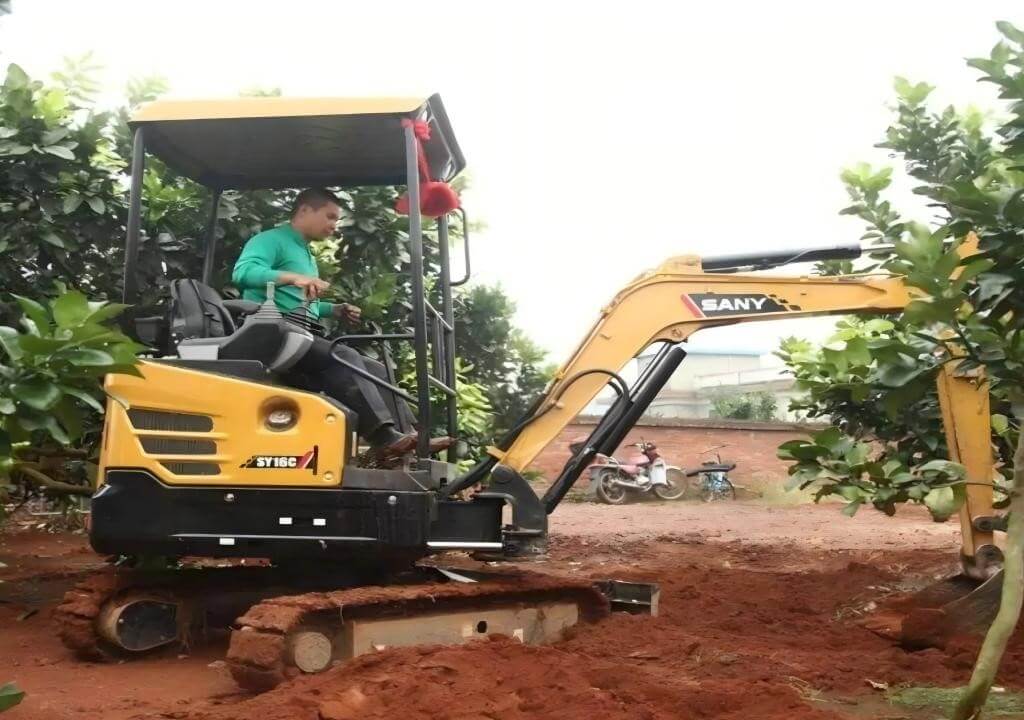
Pre-use excavator inspections safeguard workers, equipment, and the project. If neglected, a brief inspection may reveal leaks, damaged parts, or control problems that cause accidents or downtime. Many failures begin as little, obvious faults that operators may detect early. Pre-use inspections contribute to the safety and efficiency of company procedures. This article explains how to inspect an excavator before usage. External, mechanical, cab safety, and control testing are included. Each shift, operators execute a predetermined inspection routine to reduce risk, maintain performance, and ensure the excavator is safe, dependable, and productive.
Why Is a Pre-Use Excavator Inspection So Important?
A pre-use excavator check saves accidents, equipment damage, and unanticipated downtime. Excavators work at tremendous loads and pressures; thus, minor flaws can quickly compound. Leaking hydraulics, loose pins, and worn tracks all enhance the chance of failure while digging or lifting. For more detailed inspection checklists, consider using meansbase to guide your process. Inspections assist operators in identifying risks before they begin work, therefore safeguarding neighboring personnel and structures. They also encourage compliance with safety standards and corporate norms. Detecting problems early minimizes repair costs and prevents subsequent harm. Regular inspections increase machine dependability and service life. Daily equipment inspections help operators become more aware of the machine’s condition. This practice leads to safer operations, more consistent performance, and fewer disruptions on demanding construction and earthmoving projects.
Step-by-Step External and Mechanical Inspection Checklist
Walkaround Checks: Undercarriage, Attachments, and Structure
Perform a walkaround examination first. They must check the undercarriage for dirt, broken rollers, and loose components. Inspect the boom, arm, and frame welds for cracks, bends, and damage. Buckets and couplers should not be worn or left without pins. Operators must verify full locking. Guards, railings, and steps must be secure. Stop operating until any visible damage is corrected. A comprehensive walkaround assists operators in identifying dangers, reducing attachment failure, and ensuring the excavator structure can safely endure load pressures on busy job sites.
Fluid Levels, Hoses, Leaks, and Engine Components
Fluid and engine component check is a vital phase. Operators should follow established procedures while checking engine oil, coolant, gasoline, and hydraulic fluid levels. Low or polluted fluid levels impair performance and cause harm. Hoses and fittings must have no cracks, bulges, or leaks. Operators should check around the pump, cylinders, and valves for fresh oil residue. Belts, filters, and wiring near the engine must be visually checked. Any odd odor or residue indicates a problem. Addressing leaks and fluid concerns prior to startup reduces overheating, pressure loss, and unexpected system failure during excavation, lifting, or travel activities under load.
Tracks, Tires, Swing System, and Hydraulic Function
Tracks and tires demand thorough examination. Operators should check for track tension, missing pads, and uneven wear. Tires require sufficient pressure and no evident damage. The swing mechanism should revolve smoothly, with no grinding or unnecessary play. Operators should check the swing motors and bearings for leakage. Hydraulic cylinders must extend and retract uniformly, without jerks. Any slowness or uneven motion indicates internal problems. Checking these systems enables smooth movement and control. Faults in tracks or swing systems increase rollover risk and decrease accuracy. Early detection helps to minimize accidents and ensures constant machine reaction during digging, swinging, and repositioning jobs on uneven or limited terrain.

How Do You Inspect the Cab and Test Excavator Controls?
Cab Safety Items, Visibility, and Warning Systems
Cab inspections increase operator awareness and safety. Operators should check seat belts and seat adjustments. Mirrors, cameras, and windows must all be clean to provide clear visibility. Before relocating, make sure the horns, backup alarms, and warning lights work. Fire extinguishers and exits should be easily accessible. Startup checks necessitate functional dash indicators. Operators should review trouble codes and warnings. Low visibility or warning system failures increase the likelihood of an accident. Safe taxis instill trust in drivers. Ensuring that all safety equipment functions effectively allows workers to monitor their surroundings, respond to hazards, and maintain control on busy construction sites.
Control Levers, Pedals, Brakes, and Startup Procedures
Before the operation, operators must thoroughly test all controls. They should follow correct startup procedures and let the systems warm up. Control levers and joysticks should move smoothly and without sticking. The pedals must respond consistently. Brakes must be tested at low speeds to ensure they have adequate holding power. Operators should check the steering and travel controls to ensure they respond smoothly. Any delay, tremor, or unusual sound demands attention. Startup checks can help uncover hydraulic or electrical problems early on. Operators should never hurry this phase. Proper control testing assures consistent machine behavior, lowers the chance of unexpected movement, and enables safe operation whether lifting, excavating, or operating near people, utilities, and structures.
Functional Tests, Shutdown Checks, and Reporting Issues
Following the setup, operators should do quick functional tests. They should raise and lower the boom, move the arm, and slowly rotate the boom. Travel functionalities should respond uniformly in both directions. Any unusual noise, vibration, or alert signals the need to halt work. Operators should appropriately stop down after testing if any concerns arise. All faults must be reported in accordance with site procedures. Operators should never overlook concerns or try risky solutions. Clear information enables maintenance staff to respond swiftly. Consistent recordkeeping promotes accountability and safety. Functional testing and reporting guarantee that excavators are dependable, compliant, and safe for all crews that deal with heavy equipment on a daily basis.
Conclusion
A proper excavator inspection before use protects people, equipment, and productivity, whether the machine is a mini excavator or a larger model. Walkaround inspections uncover damage and attachment issues. Mechanical and fluid checks prevent system failure. Cab and control checks ensure proper operation. Functional testing demonstrates that the excavator handles loads adequately. Skipping inspections increases accident and repair costs. A prepared checklist increases machine awareness and safety. Early reporting helps to speed up fixes and save downtime. Regular inspections extend equipment life and assure compliance. Workers promote safer work environments, reduce interruptions, and ensure efficient, dependable performance every shift by checking excavators on a regular basis.