
Key Takeaways
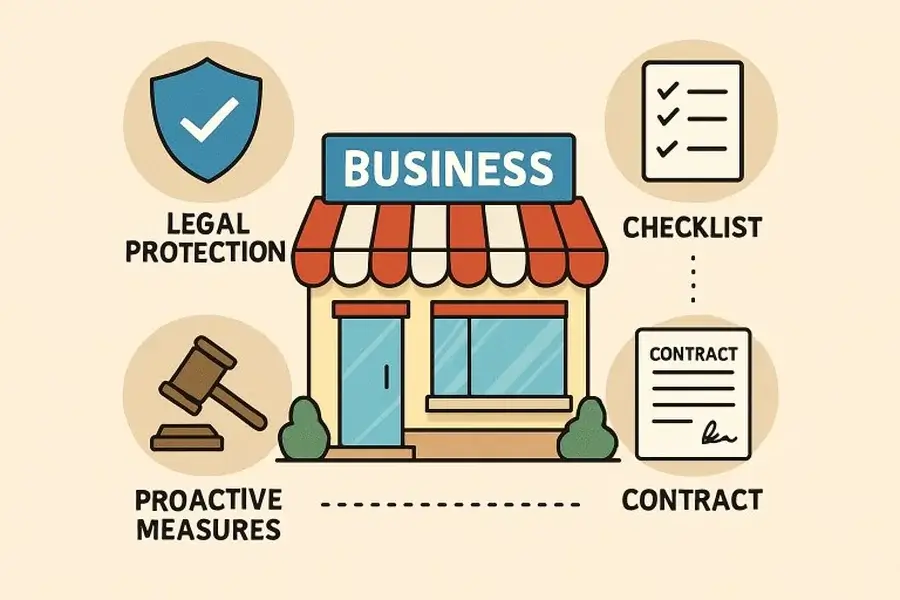
- Implementing proactive legal strategies can prevent costly disputes.
- Affordable legal resources are available to assist small businesses.
- Regular compliance checks and clear contracts are essential.
Table of Contents
- Introduction
- Understanding Legal Risks for Small Businesses
- Affordable Legal Resources
- Importance of Clear Contracts
- Regular Compliance Checks
- Employee Training and Policies
- Cybersecurity Measures
- Business Insurance Coverage
- Leveraging Technology for Legal Compliance
- Conclusion
Navigating the complex world of legal risks is one of the biggest challenges facing small businesses today. Even a minor legal misstep can result in costly litigation or substantial financial losses, potentially jeopardizing the very survival of a business. Fortunately, taking a few practical steps and understanding the value of resources such as general liability coverage can help minimize exposure and preserve your company’s assets.
Legal challenges can be daunting for small businesses, but accessible modern legal solutions can provide essential support at affordable prices. Effective strategies include diligent policy management, effective technology use, and protective measures such as well-drafted contracts and regular compliance updates. Regular audits, risk prevention policies, and employee training enhance security against threats. Proactively leveraging reputable external resources for legal education strengthens business protection, ensuring long-term success and growth.
Understanding Legal Risks for Small Businesses
Small businesses can face numerous legal challenges, including contract disputes, employee issues, and unexpected regulatory changes. According to a recent study, nearly one in five small business owners lost over $5,000 in the past five years due to preventable legal mishaps. These losses underscore the need for strong risk management and proactive planning.
Common risks include misclassifying workers, neglecting regulatory filings, or failing to maintain proper records. Even businesses with limited resources can protect themselves by recognizing these vulnerabilities and addressing them early.
Affordable Legal Resources
Many business owners hesitate to engage legal help, fearing high hourly rates or retainer fees. However, the legal landscape now offers subscription-based services that provide unlimited advice, contract reviews, and documentation for a flat rate. LegalZoom, Rocket Lawyer, and similar platforms make it feasible for small companies to access necessary legal support without breaking the bank, allowing for crucial cost predictability and peace of mind.
Local and state business development agencies may also offer free or subsidized legal clinics and workshops tailored to the everyday needs of small businesses. Leveraging these services can address legal questions quickly, before they escalate into costly issues.
Importance of Clear Contracts
Poorly written or ambiguous contracts are a common source of expensive disputes. Every agreement, including vendor contracts, partnership arrangements, and employment terms, should clearly specify expectations, deliverables, deadlines, payment schedules, and liability limits. Consulting a legal expert, even briefly, to draft or review templates can prevent contract misunderstandings that lead to court battles or lost income.
Effective contracts also help set the tone for business relationships, providing clarity for both parties and ensuring that all stakeholders are aligned from the outset.
Regular Compliance Checks
Maintaining compliance with ever-changing regulations at the local, state, and federal levels is critical. Regularly conducting internal audits to ensure that business licenses, tax registrations, operating permits, and insurance documents are up to date is one of the most critical and often overlooked steps for maintaining business health. Compliance management software and checklist apps help track renewal dates and regulatory changes, making it easier to stay organized and avoid costly lapses.
Using third-party compliance consultants can also help small businesses stay on top of complicated industry-specific requirements and avoid fines or operational delays.
Employee Training and Policies
Employees are both an asset and a potential source of risk. Defining workplace policies, such as anti-harassment, safety protocols, and acceptable use guidelines, in a comprehensive handbook is the baseline for risk reduction. Equally important is providing training for all staff members to ensure understanding and compliance.
Regular sessions not only help reinforce expected standards but also empower employees to address issues proactively, limiting liability associated with discrimination, wrongful termination, or other workplace claims.
Cybersecurity Measures
Protecting customer, employee, and company data has never been more critical. A single data breach can lead to regulatory investigations, lawsuits, reputational damage, and direct financial losses. Implementing secure passwords, using up-to-date antivirus software, encrypting sensitive data, and regularly updating software are essential steps. Data breach insurance is available to help cover the costs of recovery and notification in the event of a cyber incident.
Employee training on cybersecurity best practices further strengthens the first line of defense against scams and phishing attempts.
Business Insurance Coverage
A robust insurance portfolio is an indispensable tool for minimizing legal exposure. Key policies include general liability insurance, professional liability insurance, and, in many industries, cyber liability coverage. These policies provide a vital safety net, covering claims related to accidents, injuries, professional errors, or cyber incidents. Regularly reviewing and updating insurance coverage ensures that your business remains continuously protected as it grows or pivots its operations.
Leveraging Technology for Legal Compliance
Modern compliance solutions are now more affordable and tailored to meet the needs of small businesses. AI-driven compliance tools, digital contract management platforms, and automated reporting systems can streamline legal monitoring and reduce manual errors. These technologies automate crucial tasks such as license expiry tracking, employee policy acknowledgments, and contract renewals, minimizing the chance of overlooked obligations and expensive penalties.
Incorporating cloud-based legal tools allows companies to adapt quickly to new laws and maintain a competitive edge, even with limited in-house resources.
By following these steps, small businesses can establish lasting protection against legal risks, ensuring longevity and stability while avoiding high costs.
Conclusion
Legal risk doesn’t have to be an unavoidable burden for small businesses. By taking a proactive approach—using clear contracts, maintaining regular compliance checks, training employees, leveraging affordable legal resources, and securing appropriate insurance—business owners can significantly reduce exposure to costly disputes. Combining smart planning with modern technology and ongoing education creates a strong legal foundation that supports sustainable growth, protects assets, and allows small businesses to operate with greater confidence and long-term stability.