

The logistics and supply chain sector has become one of the most important engines behind modern business. It’s the reason products appear on shelves on time, deliveries arrive at doorsteps within hours, and factories continue to run smoothly. As global markets shift and customer expectations rise, this field has grown into a promising space for students exploring career options that are stable, relevant, and full of opportunity.
Why This Industry Is Evolving So Quickly
A combined impact of major trends has brought logistics into the limelight. Online shopping has revolutionised buying habits around the world, and new BBC research illustrates how this trend continues to affect warehouses, delivery strategies, and fulfilment networks. Companies today demand faster answers, higher precision, and more trustworthy systems than ever before.
Technology helps reinforce this transformation. Automation, data tracking, and AI solutions are becoming common across the sector. Gov.uk’s updated sustainability criteria have also pushed businesses to create supply chains that are accountable, transparent, and efficient. This change has opened the way for graduate students who can comfortably mix knowledge of technology with operational and practical analysis.
Career Paths Students Should Explore
1. Planning & Forecasting
Planning roles focus on predicting what customers will need and when. Students who naturally enjoy understanding trends and piecing together insights often find this path rewarding. It involves forecasting tools, analytical thinking, and helping companies stay prepared.
2. Procurement & Supplier Management
Procurement specialists evaluate suppliers, negotiate agreements, and ensure materials meet the right standards. The role requires clear communication, careful analysis, and an understanding of long-term partnership building.
3. Warehouse & Operations Management
Warehouses today are highly organised spaces powered by digital tools and automation. Roles in this area revolve around keeping operations smooth, maintaining inventory accuracy, and ensuring safety. It’s a path that blends on-ground coordination with modern technology.
4. Transport & Route Planning
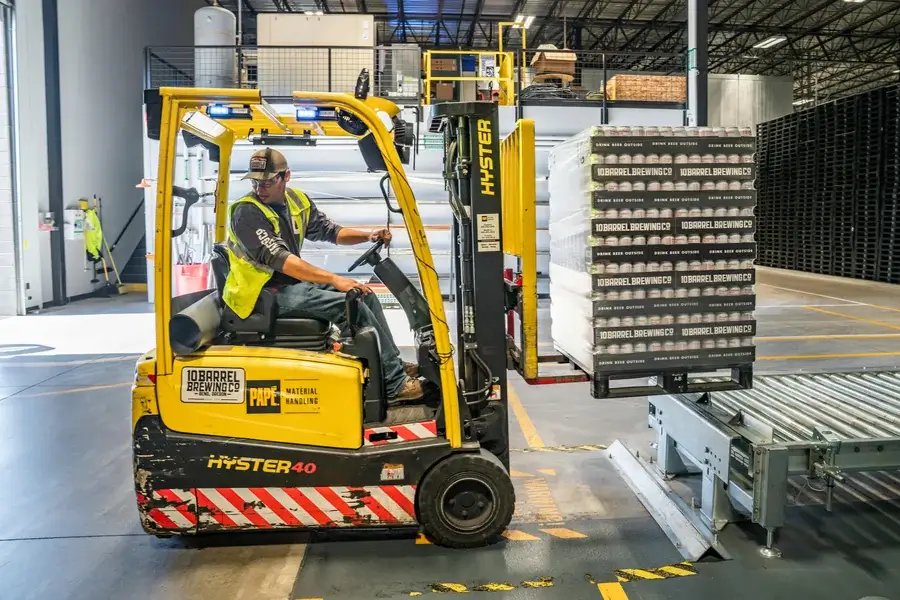
Transport teams manage deliveries, vehicle fleets, and routing. As electric vehicles and advanced route optimisation tools become more common, this area continues to expand. It suits students interested in logistics that connect directly to customers and destinations.
5. Technology & Automation Systems
Students drawn toward engineering or software often gravitate to this path. It includes integrating automation, managing warehouse systems, and supporting digital transformation projects that keep operations running seamlessly.
Skills That Help Students Stand Out Early
Certain abilities consistently help new professionals adapt quickly:
Confidence with data: Understanding dashboards, KPIs, and performance trends strengthens decision-making.
Strong communication: Clear, accurate information keeps departments aligned.
Problem-solving under pressure: The industry moves quickly, and unexpected issues require steady reasoning.
Tech awareness: Even foundational knowledge of automation or warehouse software is valuable.
Sustainability understanding: Many companies prioritise greener materials and reduced waste throughout operations.
Together, these skills create a well-rounded starting point for long-term growth.
Why Hands-On Experience Matters
Real-world exposure helps students see how everything connects. Internships in warehouses, logistics companies, or procurement departments offer insight into how goods move, how teams manage deadlines, and how small decisions ripple through the entire chain. Observing actual equipment and safety procedures makes textbook concepts easier to apply.
Many facilities rely on reliable tools to maintain smooth operations. Items such as heavy duty pallets provide stable support for automated lifting systems and large storage loads. Seeing these in use helps students understand how even simple components contribute to efficiency and product protection.
A Field with Meaningful Opportunities Ahead
Not many sectors combine technology, strategy, and practical operational work like supply chain management and logistics management do. As businesses modernise, implement greener processes, and address global issues, it keeps growing. For those seeking a professional path with stability over the long run, continual learning, and real-world effect, this field provides a solid and practical direction.
The coming generations of professionals may contribute to the development of supply chains that are more intelligent, robust, and future-ready if they possess curiosity, flexibility, and the appropriate combination of skills.