
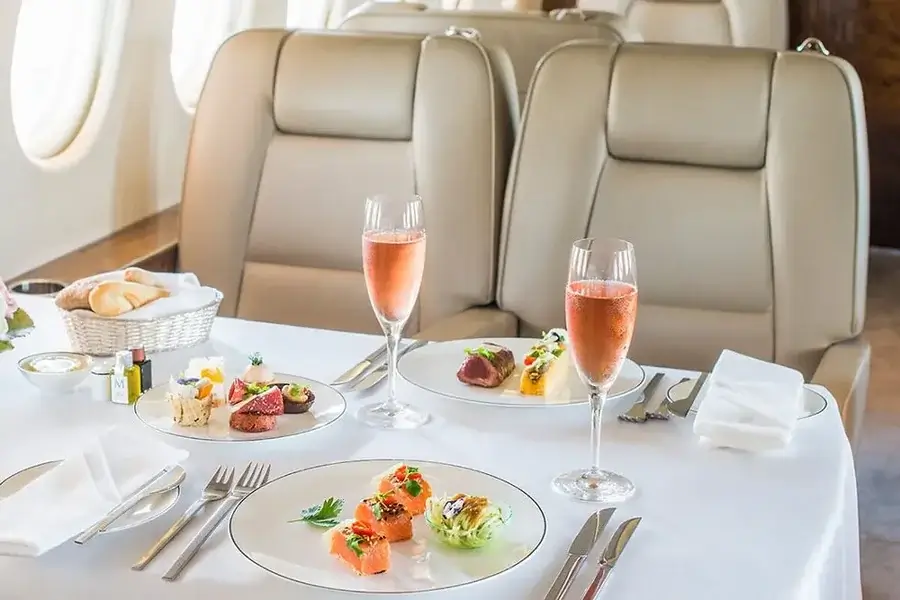
Luxury travel is built on trust, precision, and an unwavering commitment to excellence—especially when it comes to food. Every dish served aboard a private aircraft must not only meet gourmet standards but must also adhere to the highest levels of safety, hygiene, and freshness. Unlike commercial flights, private aviation demands extreme customization, rapid turnaround, and meticulous handling. This is why private jet catering companies invest heavily in advanced food safety systems, specialized processes, and elite culinary standards to guarantee that every bite served at 45,000 feet is safe, fresh, and exceptional.
Whether catering to business leaders, celebrities, diplomats, or UHNW travelers, these companies—such as premium providers like darkwinginflight—operate with precision and expertise that rival top-tier hospitality brands.
1. Strict Compliance With Global Food Safety Standards
One of the defining strengths of reputable private jet catering companies is their adherence to international and local food safety regulations. These include:
- HACCP (Hazard Analysis and Critical Control Points)
- ISO 22000 Food Safety Management
- FDA and FAA guidelines, depending on region
- Local municipal health codes and aviation catering regulations
These frameworks help identify potential hazards at every stage—procurement, storage, preparation, packaging, and transportation. By implementing these standards, caterers maintain consistency, traceability, and full accountability for every ingredient and dish.
Providers like darkwinginflight apply multi-level inspections and documented checklists to ensure zero compromise, regardless of order size or complexity.
2. Controlled and Hygienic Food Preparation Environments
Food safety begins in the kitchen long before the meal reaches the aircraft. Private aviation kitchens are designed to be sterile, structured, and optimized for ultra-high sanitation.
Separate Zones for Different Processes
Most premium facilities include:
- Raw ingredient zones
- Cooking and hot food preparation areas
- Cold kitchen sections
- Pastry and dessert stations
- Allergen-safe preparation rooms
This segmentation prevents cross-contamination and ensures that meals for passengers with allergies, dietary restrictions, or religious needs are prepared safely.
Air Filtration and Surface Sanitation
Modern kitchens use:
- HEPA-filtered airflow systems
- Anti-microbial stainless-steel surfaces
- UV sterilization equipment
The goal is to maintain a hospital-grade environment where pathogens cannot thrive.
3. Temperature Control From Start to Finish
Temperature is the backbone of food safety. A deviation of even a few degrees can compromise freshness or introduce harmful bacteria. To avoid this, private jet catering companies implement strict temperature monitoring protocols throughout the entire process.
Cold Chain Management
From sourcing to delivery, ingredients remain under continuous temperature control:
- Ingredients are stored at optimal temperatures immediately after procurement.
- Meals are cooled quickly using blast chillers to preserve flavor and safety.
- Temperature logs are updated manually and digitally at fixed intervals.
Hot Chain Preservations
Hot meals meant for immediate service are maintained at safe temperatures to avoid entering the bacteria growth “danger zone.” Once prepared, dishes are either sealed and chilled for reheating onboard or kept warm depending on flight time.
Elite providers like darkwinginflight use smart tracking tools that ensure each dish is handled within precise temperature margins until it reaches the aircraft.
4. Use of High-Quality, Fresh, and Verified Ingredients
Freshness begins at the source. Private aviation clients expect farm-to-table quality, and caterers meet this demand by:
- Partnering with certified farms and premium suppliers
- Conducting supplier audits
- Using organic and seasonal produce
- Ensuring meat and seafood sources are traceable and sustainable
Each batch of ingredients goes through quality checks including visual inspection, smell tests, packaging integrity checks, and expiration verification.
Premium brands such as darkwinginflight maintain relationships with boutique farms, artisanal producers, and specialty vendors to ensure top-tier freshness in every dish.
5. Specialized Packaging Designed for Air Travel
Food packaging for private jets is far more sophisticated than standard catering. It must protect freshness, preserve presentation, and ensure safety during transportation.
Vacuum Sealing & Modified Atmosphere Packaging (MAP)
These methods:
- Remove oxygen
- Slow bacterial growth
- Maintain moisture
- Keep flavors intact
Shock-Proof and Temperature-Stable Containers
Because food is transported over varying ground and air conditions, packaging is designed to withstand vibration, pressure changes, and temperature fluctuations.
Allergen Labels and Traceability Tags
Private jet meals often include detailed labeling with:
- Allergen warnings
- Preparation timestamps
- Ingredient lists
- Chef signatures
- Reheating instructions
This ensures pilots, flight attendants, and passengers know exactly what they’re served.
6. Fast, Secure, and Sanitized Delivery Protocols
Time is a critical factor in private aviation catering. Meals must be delivered precisely when needed—neither too early nor too late—to maintain absolute freshness.
Dedicated Refrigerated Vehicles
Caterers use cold-storage vans to keep food at optimal temperatures during transport.
Sanitized Handling Procedures
Drivers and handlers follow strict hygiene protocols, including:
- Wearing gloves and masks
- Sanitizing containers
- Avoiding unnecessary contact with food packaging
- Maintaining chain-of-custody logs
Direct Aircraft Delivery
Food is handed over directly to the crew, with documented verification for safety and quality standards.
Top-tier caterers like darkwinginflight even use GPS-tracked delivery fleets to ensure timely, safe, and tamper-proof transportation.
7. Specialized Training for Catering Teams and Crew
Safety and freshness depend on human expertise as much as technology. Leading private jet catering companies invest in ongoing training for:
- Food safety compliance
- Allergen management
- Cross-contamination prevention
- High-altitude meal preparation
- Hygienic packaging and delivery
- Emergency recall procedures
Cabin crew also receive guidance on reheating, plating, and serving meals in a way that preserves safety and presentation.
8. Continuous Quality Audits and Real-Time Monitoring
Quality checks do not end once the meal is delivered. Many caterers:
- Conduct random dish sampling
- Use real-time temperature sensors
- Run internal audits
- Request crew feedback
- Maintain digital logs for every flight order
Companies like darkwinginflight use advanced monitoring tools that enable full traceability, ensuring each meal meets the luxury aviation standard.
Conclusion: Safety and Freshness as the Heart of Luxury Aviation Dining
Food safety is not optional in private aviation—it’s a non-negotiable standard. From sourcing pristine ingredients to maintaining strict temperature controls and following impeccable hygiene protocols, private jet catering companies work behind the scenes to deliver meals that are fresh, safe, and unforgettable.
With providers like darkwinginflight setting industry benchmarks, passengers can enjoy world-class cuisine with complete confidence, knowing every detail has been managed with precision.