
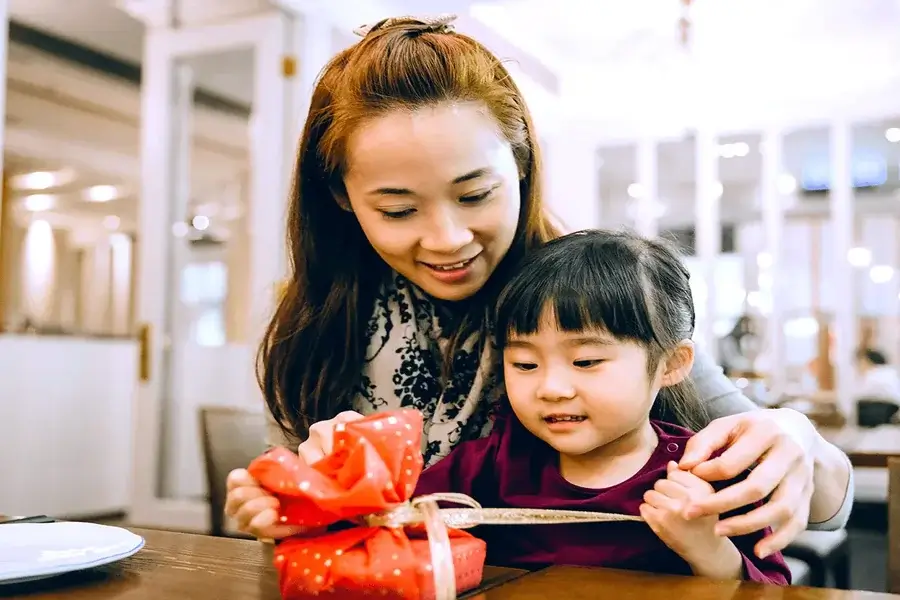
Selecting a keepsake for children requires thoughtful consideration beyond the initial excitement of gift-giving. The right choice becomes a treasured companion throughout their childhood and often extends into adulthood, carrying emotional significance and personal meaning. Understanding what makes certain items worthy of keeping helps parents and gift-givers make decisions that create lasting memories.
Understanding What Makes a Keepsake Special
Keepsakes differ from regular gifts in their enduring emotional value. These items typically commemorate significant moments, milestones, or relationships in a child’s life. They serve as tangible connections to important memories and often become more precious with age.
The most meaningful keepsakes possess qualities that transcend temporary trends. They feature timeless designs, quality construction, and personal relevance that remains significant as children mature. Rather than focusing on current interests that might change, successful keepsakes connect to deeper aspects of identity and family bonds.
Consider items that will maintain their beauty and functionality over many years. Materials like sterling silver, solid wood, or high-quality fabrics withstand regular handling and the passage of time better than cheaper alternatives.
Age-Appropriate Considerations
Different ages require different approaches to keepsake selection. Infants and toddlers benefit from items they can safely explore while developing sensory skills. Soft textiles, smooth surfaces, and items without small parts work best for this age group.
Preschoolers appreciate keepsakes they can actively use in play while understanding their special significance. Items that encourage imagination and creativity often become favorites during these formative years.
School-age children develop stronger personal preferences and can better appreciate items with sophisticated designs or meaningful symbolism. They understand concepts like heritage, tradition, and personal identity, making this an ideal time for more complex keepsakes.
Teenagers value items that reflect their emerging sense of self and independence. Keepsakes for this age group should respect their developing maturity while maintaining sentimental connections.
Personalization Options
Personalized elements transform ordinary items into unique treasures. Names, dates, initials, or special messages create immediate connections between the child and the keepsake. These customizations ensure the item cannot be easily replaced or forgotten.
Consider engraving, embroidery, or custom printing options that will remain legible and attractive over time. Quality personalization techniques resist fading, wearing, or deterioration even with regular use.
Birth dates, adoption dates, or other significant milestones provide natural personalization opportunities. Including coordinates of birthplaces or meaningful locations adds another layer of personal connection.
Material Quality and Durability
The materials used in keepsake construction directly impact longevity and safety. Natural materials like solid wood, genuine leather, and precious metals typically age beautifully and develop character over time.
Avoid materials prone to breaking, chipping, or deteriorating under normal use. Children will likely handle keepsakes regularly, especially during younger years, so construction must withstand this interaction.
Consider potential allergic reactions to certain materials, particularly metals and dyes. Hypoallergenic options ensure the keepsake remains safe and comfortable for long-term wear or contact.
Safety certifications and quality testing provide additional assurance, especially for items intended for younger children. Look for products that meet or exceed safety standards for the intended age group.
Practical Considerations
Storage and maintenance requirements affect the long-term success of any keepsake. Items requiring extensive care or specialized storage conditions might become burdensome over time.
Consider how the keepsake will fit into the child’s daily life and family routines. A kids initial necklace might be worn on special occasions but stored safely between uses, requiring both beauty and secure packaging.
Think about portability if families move frequently or children spend time in multiple households. Keepsakes should be easily transportable without risk of damage or loss.
Cultural and Family Significance
Family traditions and cultural heritage provide excellent inspiration for keepsake selection. Items that connect children to their ancestry or family history carry additional meaning beyond their immediate appeal.
Religious or spiritual symbols, when appropriate, create connections to faith communities and belief systems. These items often provide comfort and guidance throughout various life stages.
Consider how the keepsake might fit into existing family traditions or potentially start new ones. Items passed down through generations develop accumulated significance over time.
Timing Considerations
The occasion for giving affectsthe keepsake selection and presentation. Birth gifts require different considerations than graduation presents or holiday gifts.
Major milestones like first birthdays, starting school, or religious ceremonies provide natural opportunities for meaningful keepsakes. These timing choices help cement the emotional connection between the item and the memory.
Consider creating a series of related keepsakes given at different ages, building a collection that tells the story of childhood development and family love.
Making the Final Decision
The perfect keepsake balances personal meaning, quality construction, and practical considerations. It should reflect thoughtfulness in selection while remaining appropriate for the child’s current needs and future growth.
Trust your instincts about what feels right for the specific child and occasion. The most successful keepsakes often feel like obvious choices once you discover them.
Remember that the intention behind the gift matters as much as the item itself. Children understand and appreciate when adults invest time and thought in selecting something special just for them.
Choose keepsakes that celebrate the unique qualities of each child while creating lasting connections to love, family, and cherished memories.