
Unboxing a new iPhone brings excitement, but you may notice changes in its contents. The experience has shifted significantly in recent years, leaving many new owners surprised. Instead of a complete charging setup, you’ll find a minimalist approach reflecting environmental concerns and evolving consumer habits. This shift affects how you set up your device right after purchase. Understanding what to expect can help you prepare and avoid frustration during setup. In this article, we’ll explore what’s included in the box today, the reasons for these changes, and what you need for efficient charging from day one.
What’s Included in the iPhone Box Today?
The Cable: USB-C to Lightning vs. USB-C to USB-C
When you open your new iPhone, the most important charging component you’ll find is the cable, though the specific type has evolved with recent models. For several years, iPhones included a USB-C to Lightning cable, representing a transitional period where the traditional Lightning connector met modern USB-C technology. However, with the iPhone 15 series, Apple has moved completely to USB-C, meaning you’ll now find a USB-C to USB-C cable in the box. This change aligns with new European regulations and modern charging standards, but it might create compatibility issues if your existing power adapters use older USB-A ports. The cable provided is typically high-quality and supports data transfer and charging.
Documentation and Stickers
Alongside the cable, Apple includes minimal documentation and its iconic stickers in every iPhone box. The documentation consists primarily of basic setup guides and regulatory information, with more detailed support available online through Apple’s website. The included stickers feature the Apple logo and have become something of a tradition among iPhone users. You’ll also find a SIM ejector tool for models that still support physical SIM cards, though many recent iPhones use eSIM technology exclusively. While these items complete the unboxing experience, they don’t address the practical need for actually powering up your new device.
Why Apple Removed the Charger from the Box?
Apple’s decision to remove the power adapter from iPhone packaging wasn’t arbitrary but rather part of a broader environmental initiative. The company cited reducing electronic waste as the primary motivation, noting that many users already owned compatible chargers from previous devices. By eliminating the included charger, Apple significantly reduced the size and weight of iPhone packaging, allowing more units to be shipped simultaneously and lowering carbon emissions during transportation. The company also highlighted that this change prevented millions of chargers from eventually ending up in landfills. While environmental benefits were the stated reason, this move also helped Apple reduce production and shipping costs.
What You Need to Charge Your New iPhone?
Using an Existing Power Adapter
If you’re upgrading from a previous iPhone model, you might already have what you need to charge your new device. Any USB-C power adapter from recent Apple products will work perfectly with your new iPhone’s cable. Many modern households also have USB-C chargers from other devices like laptops, tablets, or Android phones that can serve as suitable alternatives. You can also use computer USB ports for charging, though this typically provides slower charging speeds compared to dedicated wall adapters. The key is ensuring your existing charger supports adequate power delivery for efficient charging. Before your new phone arrives, it’s worth checking what charging equipment you already own to determine if additional purchases will be necessary.
Buying a Compatible Charger Separately
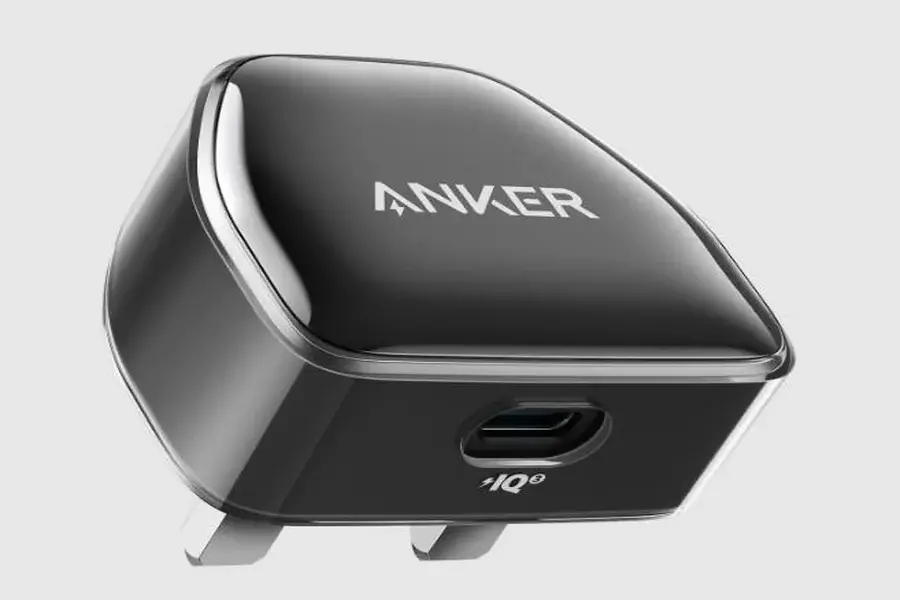
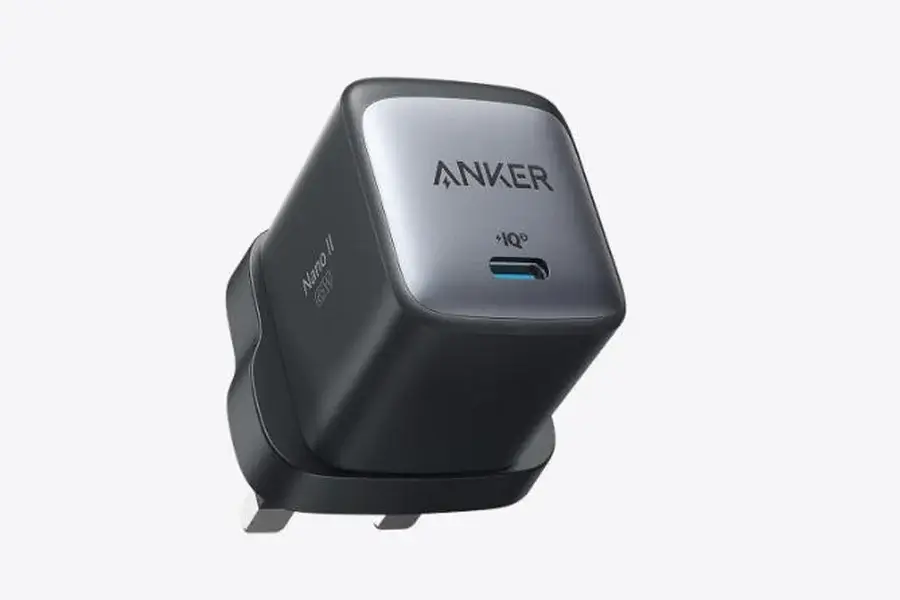
If you don’t have a compatible charger, you’ll need to purchase one separately to use your new iPhone. The market offers numerous reliable options, with Anker’s chargers being particularly well-regarded for their quality and reliability. These third-party chargers, including the iphone 14 charger, often provide excellent value while maintaining safety standards and charging efficiency. When shopping for a new charger, look for products that support the USB Power Delivery (PD) specification for optimal performance. Many users find that investing in a multi-port charger provides flexibility for charging multiple devices simultaneously. It’s also worth considering purchasing from reputable brands that offer warranty protection and customer support.
Choosing the Right Charger for Your iPhone
USB-C Power Adapter Specifications
Selecting the appropriate charger involves understanding power specifications and compatibility requirements. Modern iPhones support various charging speeds depending on the power adapter’s capabilities. For basic charging needs, a 5-watt adapter will work, but for faster charging, you’ll want at least an 18-watt USB-C power adapter. Recent iPhone models can support up to 20-27 watts for maximum charging speed, though gains beyond 20 watts are relatively minimal. The key specification to look for is USB Power Delivery (PD) compatibility, which ensures efficient power negotiation between your phone and the charger. Also consider physical size and portability if you travel frequently or need a charger for multiple locations.
Fast Charging Requirements and Compatibility
To achieve fast charging speeds with your iPhone, you need both a compatible power adapter and an appropriate cable. The power adapter must support USB Power Delivery and provide sufficient wattage (typically 18 watts or higher). Your cable must also be rated for higher power transmission, which the included cable usually supports. Fast charging typically works best when your battery level is below 50%, with charging speeds gradually slowing as the battery approaches full capacity. It’s important to note that while fast charging is convenient, regularly using it may contribute to slightly faster battery degradation over time. For overnight charging, standard speed charging might be preferable to maintain long-term battery health.
Conclusion
Understanding what comes with your new iPhone and what you need to provide ensures a smooth transition. The absence of an included charger reflects environmental progress and the reality that most users already have compatible equipment. Before your iPhone arrives, check your existing chargers and cables to identify any additional items needed. Investing in quality charging gear from reputable brands ensures optimal performance and safety. By preparing in advance, you can enjoy your new iPhone immediately without worrying about powering it, while also supporting its long-term battery health and performance.