
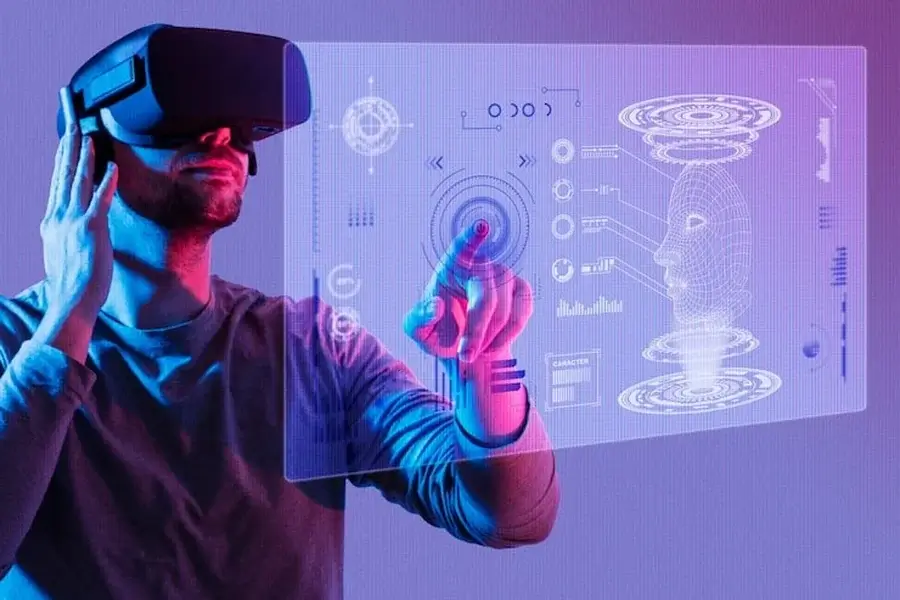
Introduction to Technology in Business
Technology is no longer a supporting tool for businesses—it is the driving engine behind innovation, efficiency, and global connectivity. In today’s hyper-competitive market, every organization, from small startups to multinational corporations, relies on digital solutions to operate, scale, and survive.
New technologies like artificial intelligence (AI), the Internet of Things (IoT), cloud computing, and advanced analytics are not just reshaping workflows but also redefining entire industries. This transformation creates a constant pressure on companies to innovate or risk being left behind. By understanding the most impactful technologies of our time, businesses can position themselves to thrive in an evolving marketplace.
Role of Emerging Technologies in Business Growth
Emerging technologies are changing how companies interact with customers, manage resources, and compete globally. AI, IoT, and blockchain stand at the forefront, offering game-changing benefits.
Businesses use AI to enhance data-driven decisions, personalize customer experiences, and automate repetitive tasks. IoT devices connect critical operations, enabling real-time monitoring and predictive maintenance. Meanwhile, blockchain ensures data transparency and security, building trust in sectors like finance, supply chain, and healthcare.
These technologies not only create operational efficiency but also open doors to new markets. A retail startup can instantly serve global customers through an e-commerce platform. A logistics firm can monitor goods from factory to customer with precise tracking. And a financial services provider can process transactions faster while reducing fraud risks.
The result is an ecosystem where innovation drives competitiveness, and adaptability becomes the most valuable business trait.
Artificial Intelligence Enhancing Efficiency
AI continues to push boundaries in automation and decision-making. From customer service bots that resolve issues in seconds to machine learning algorithms predicting market trends, AI enables businesses to move faster and smarter.
For example, AI-powered chatbots can handle thousands of user interactions simultaneously, improving response times and reducing the workload on human agents. In manufacturing, AI-driven predictive maintenance detects machinery faults before they occur, significantly cutting downtime.
Data analytics, another branch of AI, allows decision-makers to extract insights from enormous datasets, identifying trends invisible to the human eye. This level of intelligence enables businesses to tailor their strategies, optimize inventory, and even forecast profitability with remarkable accuracy.
Internet of Things Connecting Operations
The IoT has introduced a new era of operational connectivity. Businesses now embed sensors and intelligent devices in machinery, vehicles, and products to collect and exchange data.
For instance, logistics companies equip vehicles with GPS and temperature sensors to ensure timely deliveries of perishable goods, ensuring proper perishable goods handling. Smart factories utilize IoT to monitor assembly lines in real time, boosting productivity and reducing defects. Retail stores use smart shelves that alert managers when inventory runs low.
This constant stream of data helps businesses respond proactively—adjusting production levels, improving customer experiences, and maintaining quality standards. IoT essentially transforms physical operations into intelligent networks.
Technology’s Influence on Business Models
Technology doesn’t only change how companies operate—it changes what a business is and how it earns revenue.
Digital-first models such as subscription services, e-commerce storefronts, and remote work ecosystems are replacing traditional brick-and-mortar setups. Businesses no longer need to be confined by geographical limits; a company in Texas can sell to customers in Asia overnight through online marketplaces.
The rise of the gig economy, powered by mobile platforms, enables companies to tap into a flexible workforce without long-term commitments. Similarly, software-as-a-service (SaaS) models give smaller firms access to advanced tools without heavy capital investment.
By leveraging tech, even conservative industries like banking and healthcare now offer fully digital services, from virtual doctor consultations to AI-driven financial advice.
Digital Transformation in Traditional Industries
Traditional sectors are under immense pressure to adapt or risk obsolescence. In healthcare, telemedicine platforms allow doctors to consult patients virtually. Manufacturing plants adopt robotic automation to boost production with fewer errors.
Financial institutions are also undergoing rapid transformation. Digital wallets, AI-based fraud detection, and mobile banking apps are standard offerings to meet consumer expectations. As industries modernize, those willing to embrace tech change see improved efficiency, wider reach, and stronger customer relationships.
Challenges and Solutions in Adopting New Technology
While technology offers unmatched opportunities, it brings challenges, too. High implementation costs, employee resistance, and cybersecurity threats are common barriers.
Companies must adopt structured change management strategies, ensuring staff are trained and aligned with new tools. Outsourcing or partnering with tech providers reduces upfront costs.
Cybersecurity remains a high-priority concern, as digital adoption increases exposure to ransomware, phishing, and data breaches. This risk demands robust protection frameworks.
The Importance of Cybersecurity
Digital security is no longer optional—it’s a business necessity. Cyberattacks can cripple operations, damage reputations, and erode trust.
To combat this, companies implement multi-layered defenses: firewalls, encryption, multi-factor authentication, and continuous system monitoring. Employee education is equally vital since human error remains a leading cause of breaches.
Interestingly, advancements in security also impact sectors like online gaming and fintech. For example, platforms offering promotions—like a no deposit bonus Germany—must use encryption and identity verification to protect users and ensure fair play. Such measures illustrate how technology safeguards both companies and consumers in the digital age.
The Future Outlook: Technological Trends to Watch
The future of business will be shaped by 5G connectivity, augmented reality, and quantum computing.
5G will provide ultra-fast data speeds, enabling real-time analytics and immersive virtual experiences. AR will redefine customer engagement, allowing buyers to visualize products before purchase. Quantum computing promises exponential performance improvements, opening possibilities for solving complex industry challenges in minutes rather than years.
Early adopters of these technologies stand to lead markets, while laggards risk irrelevance.
Conclusion
The role of technology in business is no longer up for debate—it is the defining factor separating industry leaders from the rest. AI, IoT, blockchain, digital transformation, and advanced cybersecurity are not just trends but essential foundations for future growth.
Incorporating these advancements requires a balance of innovation, investment, and risk management. The companies that succeed will be those that adapt quickly, think globally, and operate securely.
By embracing these seven proven technological shifts, businesses can unlock lasting growth, improved customer relationships, and resilience in the face of rapid change.