
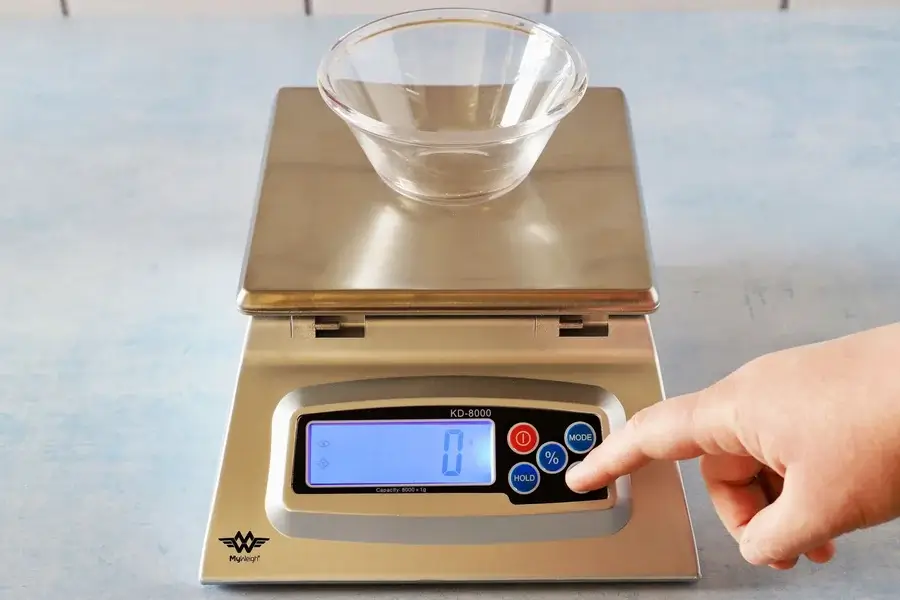
When you think of a kitchen scale, you probably picture a home chef carefully measuring out ingredients for a perfect recipe. Meanwhile, a jewellery scale might bring to mind a goldsmith meticulously weighing a gemstone or gold coin to assess its value. At first glance, these two tools seem to belong to vastly different worlds—culinary vs. luxury. But when we take a closer look, a fascinating truth emerges: these scales share more similarities than differences.
In this article, we’ll explore the surprising science behind small measurements and why kitchen scales and jewellery scales operate on a shared foundation of precision, accuracy, and trust. Whether you’re weighing saffron for a gourmet dish or a diamond for appraisal, the underlying technology and importance are strikingly alike.
Understanding Precision: The Core Principle
The Role of Accuracy in Everyday Life
In both the kitchen and the jewellery store, precision matters. A slight deviation in measurement can alter the flavor of a dish or significantly impact the value of a precious item.
- In baking, 5 grams too much flour can ruin texture.
- In jewellery, 0.1 grams too much gold could cost hundreds.
The science of small measurements focuses on reducing error margins, ensuring users can trust the numbers they see. This is where both kitchen and jewellery scales shine.
Shared Technology: Digital Scales and Load Cells
Both scale types commonly use digital load cell technology, where a strain gauge detects pressure and converts it into an electrical signal, displayed as weight.
Features Common to Both:
| Feature | Kitchen Scales | Jewellery Scales |
| Digital display | ✅ | ✅ |
| Tare function | ✅ | ✅ |
| Unit conversion | ✅ (g, oz, ml) | ✅ (g, ct, dwt, gn) |
| Auto-calibration | ✅ | ✅ |
| High-precision sensors | ✅ | ✅ |
The design philosophy in both cases is to deliver reliable, repeatable results, even if the context and weight ranges differ.
Micro Measurements in Macro Impact
Cooking vs. Craftsmanship: Why Milligrams Matter
- A chef may need to measure spices, baking powder, or flavor extracts in exact quantities to maintain consistency.
- A jeweller uses milligram accuracy to determine the weight of gold, silver, or precious stones, where value is calculated per gram.
In both scenarios, over- or under-measurement leads to consequences:
- In recipes: ruined dishes, wasted ingredients, or inconsistent servings.
- In jewellery: financial losses, pricing errors, or loss of customer trust.
So even if a kitchen scale typically measures up to 5kg and a jewellery scale only up to 500g, both rely on precision at a small scale.
Trust in Trade and Taste
Professionalism Through Accurate Weighing
Using a quality scale—whether in a kitchen or a jewellery showroom—is a mark of professionalism and commitment to quality.
- Chefs rely on scales for consistent portioning, nutritional balance, and food cost control.
- Jewellers depend on accurate measurements to set fair prices and maintain transparency with buyers.
In both cases, the consumer experience improves when measurement is transparent. Customers trust what they can see and verify.
Cross-Functional Use Cases: Where the Lines Blur
Interestingly, some scales are versatile enough to work in both culinary and retail settings, especially when ultra-fine measurements are required.
A few examples:
- Artisan chocolate makers use jewellery-scale precision to weigh cocoa solids or rare ingredients.
- Spice sellers in gourmet markets use kitchen scales to package products in exact quantities.
- DIY crafters and hobbyists use both scale types to weigh items like soap, resin, beads, and even paint pigments.
This overlap illustrates how both scales are tools of precision and not limited by industry labels.
Calibration and Compliance: The Science of Trustworthy Readings
Importance of Calibration
Whether you’re using a kitchen scale or a jewellery scale, regular calibration is crucial. An uncalibrated scale can:
- Mislead recipes (leading to poor results)
- Misprice jewellery (leading to customer complaints or financial loss)
Most digital scales come with auto-calibration or manual calibration options. For commercial use—especially in jewellery—legal-for-trade certifications are often required.
Design and Usability: Small Form, Big Impact
Though scales may differ in appearance based on their intended use, their design principles often overlap.
Compact and User-Friendly
- Slim, portable builds for easy countertop or showcase placement
- Backlit digital displays for readability in low-light environments
- Tactile buttons and touch-sensitive interfaces
- Tare and zero-reset functions to exclude container weights
These shared features are designed to improve user experience, whether measuring saffron threads or emeralds.
Digital Integration and Smart Features
Both kitchen and jewellery scales are now incorporating smart features:
-
Bluetooth and app integration
- Kitchen: Connect to nutrition tracking apps
- Jewellery: Record weight logs or send digital invoices
- Kitchen: Connect to nutrition tracking apps
- USB rechargeable instead of battery-only power
- Memory functions to recall past measurements
This digital upgrade ensures efficiency and modern usability, meeting the needs of both culinary artists and gemstone traders.
Psychological and Financial Impacts of Measurement
Weight = Value
Weight doesn’t just represent a number; it represents value—both tangible and intangible.
- In food, weight contributes to portion control, calorie tracking, and price per meal.
- In jewellery, weight determines the monetary worth of gold, silver, diamonds, etc.
In both cases, getting it wrong can cost money or erode trust.
What to Look for in a High-Quality Scale
Whether you’re buying a kitchen or jewellery scale, the essential checklist includes:
- Accuracy: Look for at least 0.1g (kitchen) or 0.01g/0.001g (jewellery).
- Tare Function: Necessary for using bowls or containers.
- Unit Versatility: Must support g/oz/ml (kitchen), g/ct/gn/dwt (jewellery).
- Durability: Stainless steel platforms are easier to clean and more long-lasting.
- Calibration Options: Auto-calibration or manual with weights.
The science behind kitchen scales and jewellery scales isn’t just about grams and milligrams—it’s about trust, consistency, and value. Despite serving different industries, these tools are united by a core mission: to provide accurate, reliable, and repeatable measurements.
Whether you’re a passionate home cook or a seasoned jeweller, investing in the right scale isn’t just about functionality—it’s about upholding a standard. When used correctly, both these scales ensure that what you see is truly what you get, one small measurement at a time.